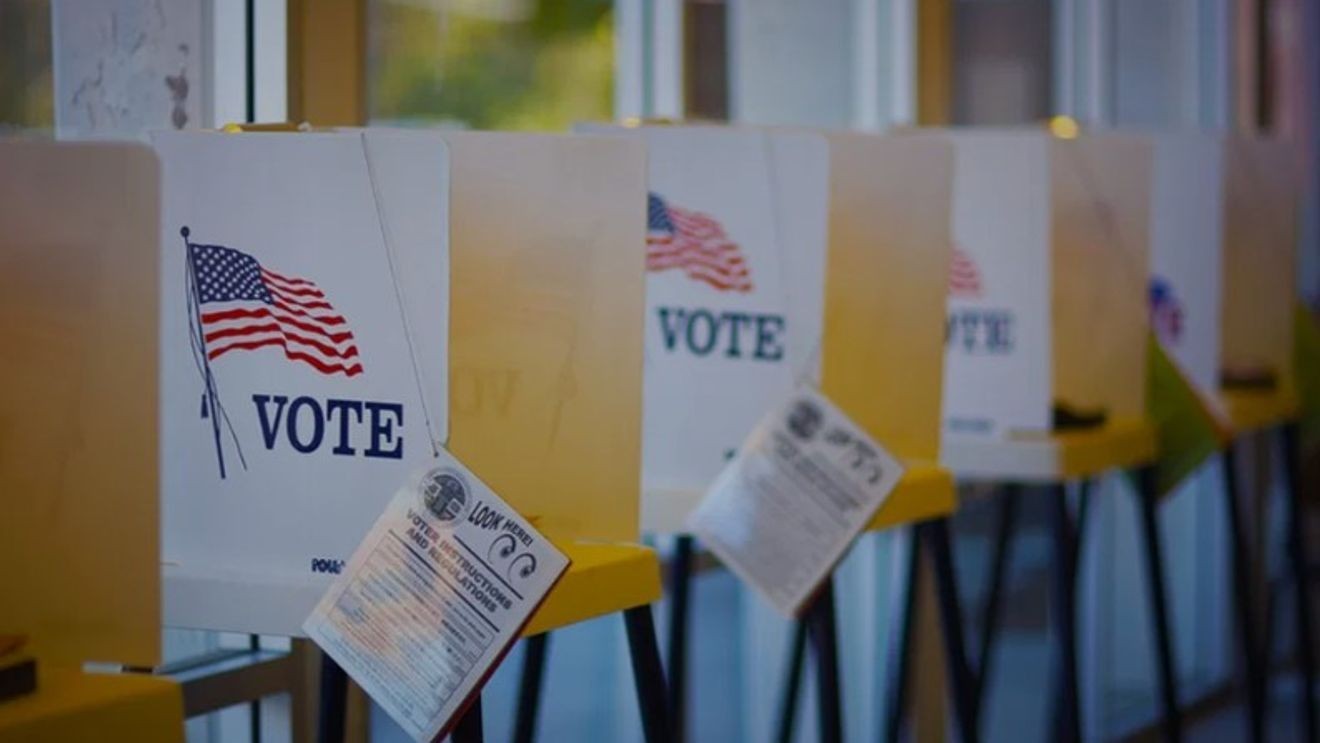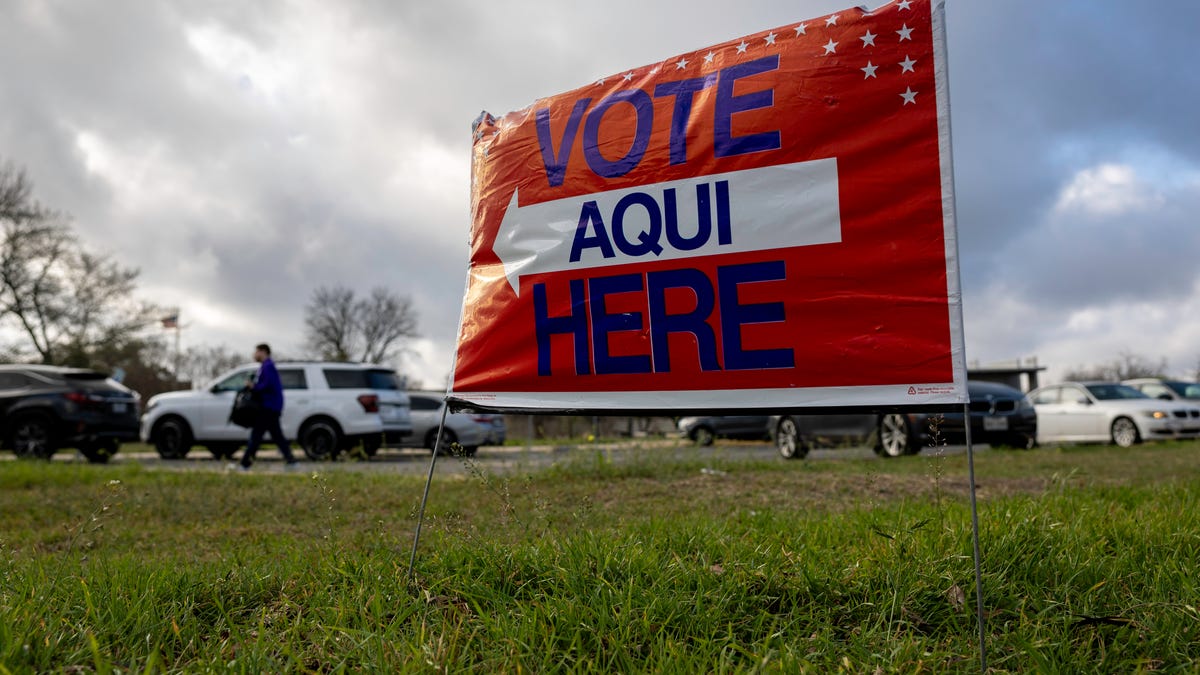
Ahead of electoral cycles in Texas, election administrators oversee the complex mechanics governing voter rolls, address verifications, and statutory compliance across the state’s counties. A primary administrative challenge involves more than 1.2 million Texas registered voters currently placed on the state’s voter suspense list, indicating that local election officials cannot independently confirm their current residential addresses through returned official mail.
Operational Mechanics of the Voter Suspense List
Designation as a suspense voter functions as an internal administrative classification rather than disenfranchisement or removal from official registration rolls. This status is triggered when election-related mail—such as voter registration certificates or jury summons—is returned as undeliverable. Regional data highlights significant concentration in major population centers: Travis County accounts for approximately 151,000 suspense voters (roughly 16 percent of its local electorate), while Williamson County records about 63,000.
Statutory Deadlines and Eligibility Requirements
To participate in upcoming elections, residents must comply with strict Texas statutory timelines requiring completed registration applications to be submitted at least 30 days prior to Election Day. Eligibility mandates require applicants to be U.S. citizens, county residents, at least 17 years and 10 months old at filing (turning 18 by Election Day), and neither convicted felons nor judicially declared mentally incapacitated.
Administrative Processing and Verification Protocols
Local offices, including the Harris County Tax Assessor-Collector and Voter Registrar, manage continuous year-round updates, processing cancellations, new applications, and address modifications on a rolling basis. To verify registration status and confirm that residential addresses match official state records, the Texas Secretary of State provides the VoteTexas.gov online portal.
Mandatory Voter Identification Standards
When casting a ballot, Texas voters must present government-issued credentials. Accepted forms of identification include a Texas Driver License, Texas Election Identification Certificate, Texas Personal Identification Card, or Texas Handgun License. Additional valid documents include military IDs, U.S. citizens’ passports, and U.S. Citizenship Certificates containing a photograph.