The anticipated launch of the Pokémon Trading Card Game (TCG) 30th Celebration expansion on September 16, 2026, functions as a high-stakes strategic inflection point. Beyond mere commemoration, The Pokémon Company is utilizing this milestone to engineer a transactional floor for the primary market while simultaneously stabilizing the volatility of the secondary market through calculated asset distribution.
Retailer Incentivization and AOV Optimization
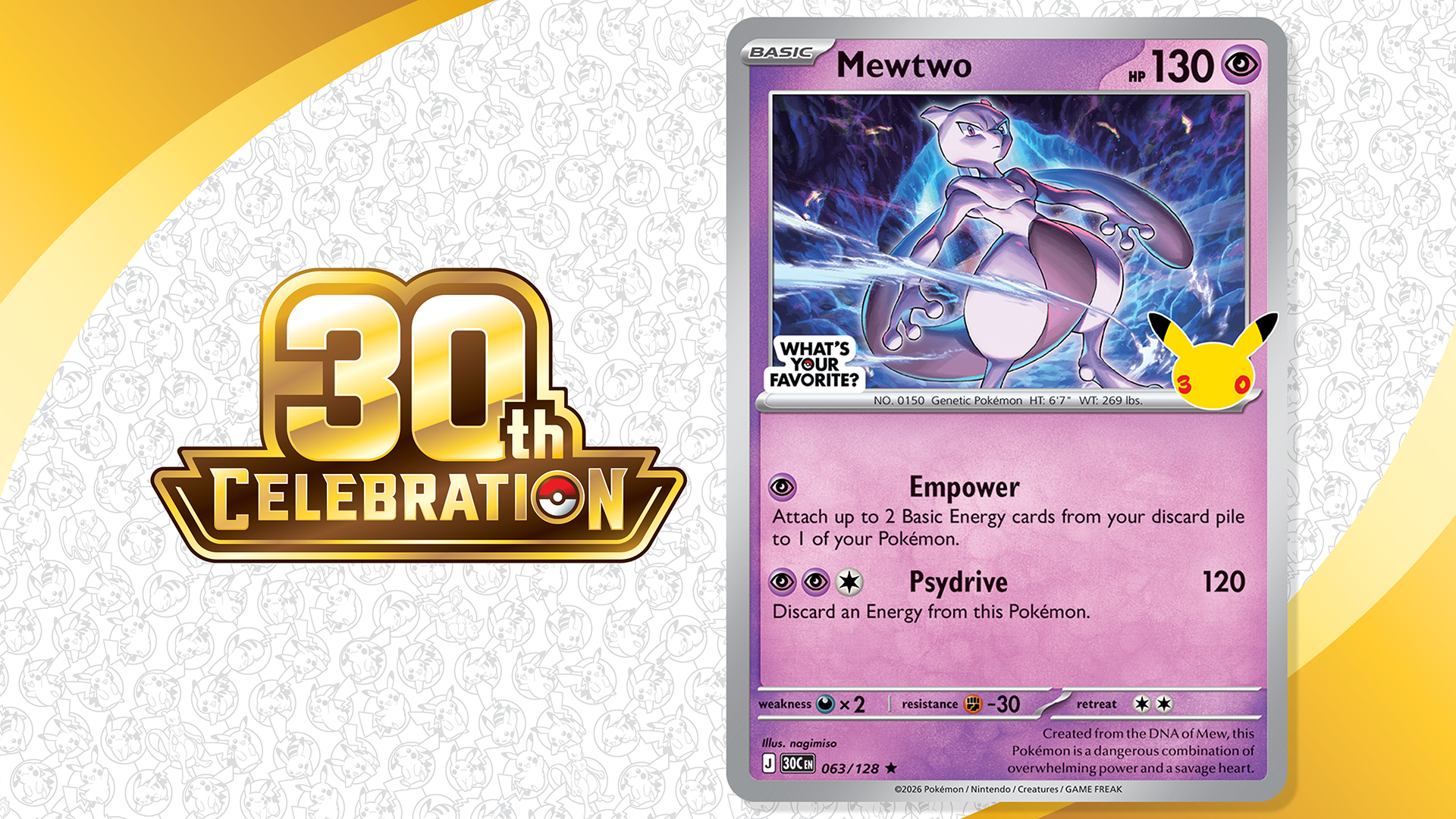
The Mewtwo promotional campaign, commencing October 2, 2026, utilizes a $15 minimum spend threshold to strategically influence Average Order Value (AOV). By partnering with a diverse retail spectrum—ranging from mass-market anchors like Best Buy and Macy’s to specialty boutiques like GameStop and Hot Topic—the brand ensures maximum geographic and demographic penetration. This requirement necessitates the purchase of multiple booster packs or higher-margin SKU items, such as Elite Trainer Boxes, ensuring immediate sell-through of 30th-anniversary inventory and high ROI for retail partners.
Structural Liquidity: The Pikachu Rare Mechanic
A pivotal shift in product architecture is the inclusion of 30 unique Pikachu rare cards, with a guaranteed ‘hit’ in every booster pack. This departure from traditional scarcity models serves two analytical purposes: it eliminates the ‘feel-bad’ consumer experience associated with low-value openings and ensures immediate market liquidity. By flooding the secondary market with recognizable, high-quality assets, the brand mitigates extreme price spikes, making the hobby more accessible to new entrants while fueling the completionist drive of veteran collectors.
Operational Logistics and the Scarcity Paradigm
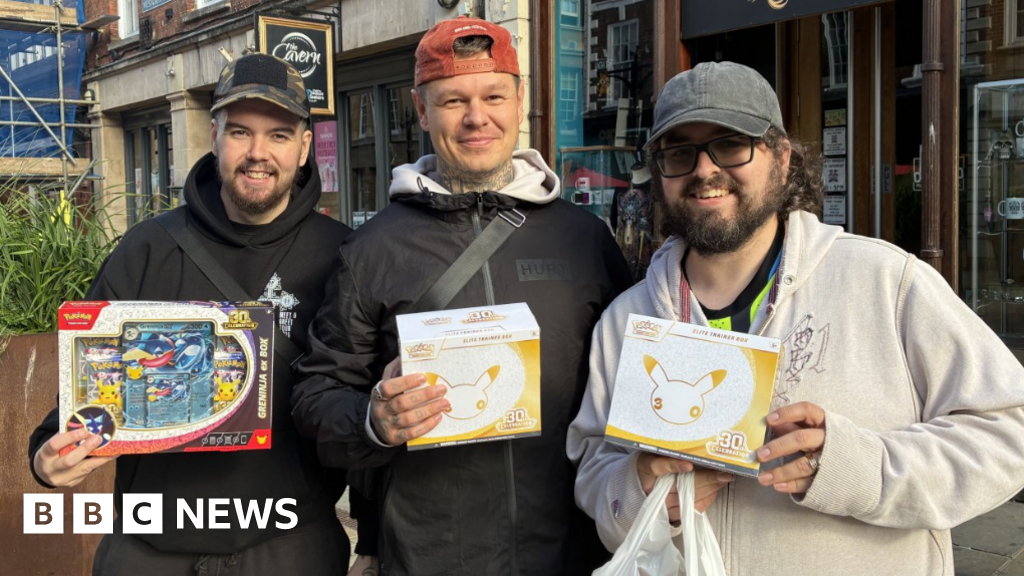
The consumer behavior observed in the United Kingdom—specifically the 14-hour queues at Smyths Toys and Firestorm Games—serves as a proxy for the brand’s institutional strength. These surges present operational challenges that require robust inventory management. The ‘while supplies last’ nature of the Mewtwo promo creates a tactical sense of urgency, accelerating capital velocity during the initial launch window and clearing shelf space for subsequent merchandise waves.
Digital Integration and the ‘Pokémon Night Out’ Pivot
The inclusion of a QR code on the Mewtwo promo card, leading to the ‘Pokémon Night Out’ experience, represents a strategic pivot toward experiential and data-driven marketing. This bridge between physical goods and digital interaction allows the brand to harvest valuable consumer engagement metrics. This hybrid model modernizes the TCG for a tech-savvy demographic, ensuring the franchise remains relevant in an increasingly integrated entertainment ecosystem.
Institutional Resilience and Long-Term Value
As the brand enters its fourth decade, its status as a multi-generational asset provides a unique buffer against economic fluctuations. The 30th Celebration leverages ‘Pokémania’ nostalgia to secure capital from established adult collectors while onboarding a new generation. This dual-track demand, combined with lifestyle collaborations like the Owala collection at Target, reinforces Pokémon’s position not just as a game, but as a premium global lifestyle brand with sustained market longevity.