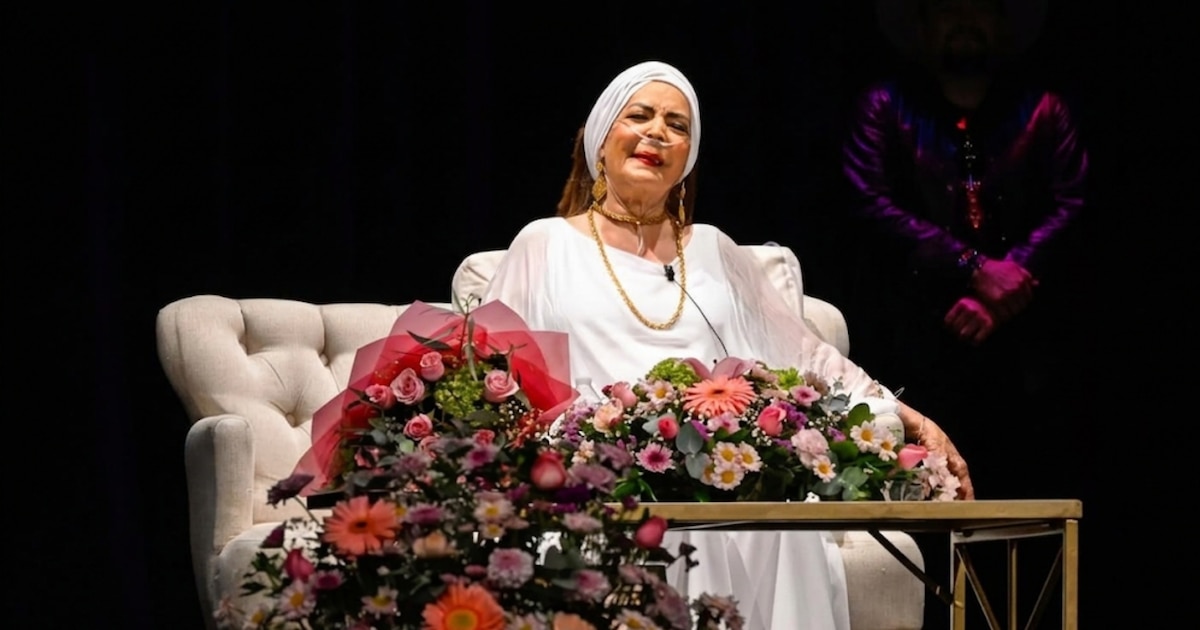
The death of Elsa Aguirre at age 95 in Cuernavaca, Morelos, represents the final institutional closure of the Mexican Golden Age of Cinema. Confirmed by the Asociación Nacional de Intérpretes (ANDI) on July 15, 2026, her passing triggers a sectoral shift from active career management to the curation of legacy assets. As one of the era’s last primary ambassadors, Aguirre’s death necessitates a reevaluation of how the industry preserves the intellectual property and cultural capital of mid-century Mexican media.
Institutional Validation and Intellectual Property Curation
The formal announcement by ANDI’s Board of Directors and Vigilance Committee serves as a critical verification mechanism in an era of digital misinformation. Beyond a death notice, this institutional intervention reaffirms the association’s role as the arbiter of professional records for national performers. For stakeholders, this transition is central to managing the image rights and complex licensing agreements associated with a filmography that defined Spanish-language cinema’s global expansion.
Aguirre’s career, spanning over 40 years, was a pillar of Mexico’s strategic efforts to dominate regional markets. Her collaborations with icons like Pedro Infante and Jorge Negrete were not merely artistic; they were high-stakes commercial alignments that consolidated studio power. The loss of these living links shifts the industry’s focus toward archival monetization and the scarcity value of her remaining portfolio in the digital streaming market.
Clinical Privacy and Information Asymmetry
The ambiguity regarding a specific medical cause of death highlights the persistent tension between public transparency and the privacy rights of high-profile figures. While reports indicate natural causes related to advanced age, the absence of a public clinical diagnosis reflects a strategic management of the star’s final public persona. This decision preserves the aesthetic integrity of the ‘Golden Age’ brand by shielding the decline of its icons from excessive scrutiny.
Disclosure of Aguirre’s prior use of oxygen support provides a rare look into the physical realities of aging cinematic icons. The transition from a symbol of aesthetic perfection to a patient requiring medical intervention represents a significant pivot in public perception. By withholding specific medical details, institutions and the family maintain control over the narrative, ensuring the legacy remains anchored in her professional peak rather than clinical decline.
The ‘Golden Age’ as a High-Value Brand
The ‘Golden Age’ label functions as a premium brand within the Mexican media ecosystem, driving significant revenue through re-distribution and memorabilia. Aguirre’s death reduces the pool of living representatives, potentially increasing the demand for her filmography. This event forces film preservationists and distributors to transition from promotional engagement to archival management, governed by distinct legal and financial frameworks.
The international blueprint established by Aguirre and her contemporaries—including Arturo de Córdova and Ignacio López Tarso—allowed Mexican cinema to compete with Hollywood. As these figures exit the public stage, the industry faces the challenge of maintaining the prestige of the Golden Age brand without original ambassadors to participate in commemorative cycles. The reliance on digital restoration and retrospective analysis will become the primary driver for brand sustainability.
Media Dynamics and Reputational Management
The role of outlets like TVNotas in reporting Aguirre’s health illustrates the volatility of celebrity journalism during an icon’s final years. Aguirre’s 2025 interview, where she addressed ‘alarmist’ reports, serves as a case study in reputational defense. Her focus on lucidity and spirituality was a tactical effort to neutralize media narratives that threatened her autonomy. The eventual ANDI confirmation effectively concludes this cycle of speculation, moving the media focus toward legacy building.
Geographic Significance: The Cuernavaca Enclave
Aguirre’s long-term residency in Cuernavaca reflects a decentralization trend among the Mexican cultural elite, who prioritize privacy and climate over the visibility of Mexico City. This choice has logistical implications for end-of-life care and the administration of funeral proceedings. The coordination between local Morelos authorities and national organizations like ANDI illustrates the procedural complexity of managing the death of a national asset outside the capital.
Conclusion: Structural Transformation of Cultural Identity
The passing of Elsa Aguirre marks a definitive milestone in the timeline of Mexican cinema, signifying the near-total transformation of the Golden Age into a historical subject. The institutional response underscores the strategic importance of her image and the enduring relevance of her contributions to the national brand. Ultimately, the industry must now navigate the loss of its foundational stars by reinforcing the structural frameworks that keep their historical value intact.