Technocratic Overhaul or Mass Disenfranchisement?
The execution of a ‘Special Intensive Revision’ (SIR) across India’s electoral landscape has transitioned from a routine administrative audit into a profound constitutional crisis. Official data indicating the removal of approximately 130 million individuals from voter registries has catalyzed a nationwide mobilization, challenging the operational neutrality of the Election Commission. This scale of deletion, which exceeds the total population of several G20 nations, has transformed technical list maintenance into a high-stakes battle over democratic inclusion and procedural transparency.
As metropolitan centers experience sustained agitation, the focus of public grievance has converged on Chief Election Commissioner Gyanesh Kumar. Advocacy groups and opposition blocs contend that the SIR—ostensibly designed to purge duplicate entries—was executed without sufficient evidentiary safeguards, resulting in a systemic ‘procedural bottleneck’ that effectively disenfranchises a significant portion of the electorate.
The Digital-Physical Fusion: Bengaluru’s Freedom Park Assembly
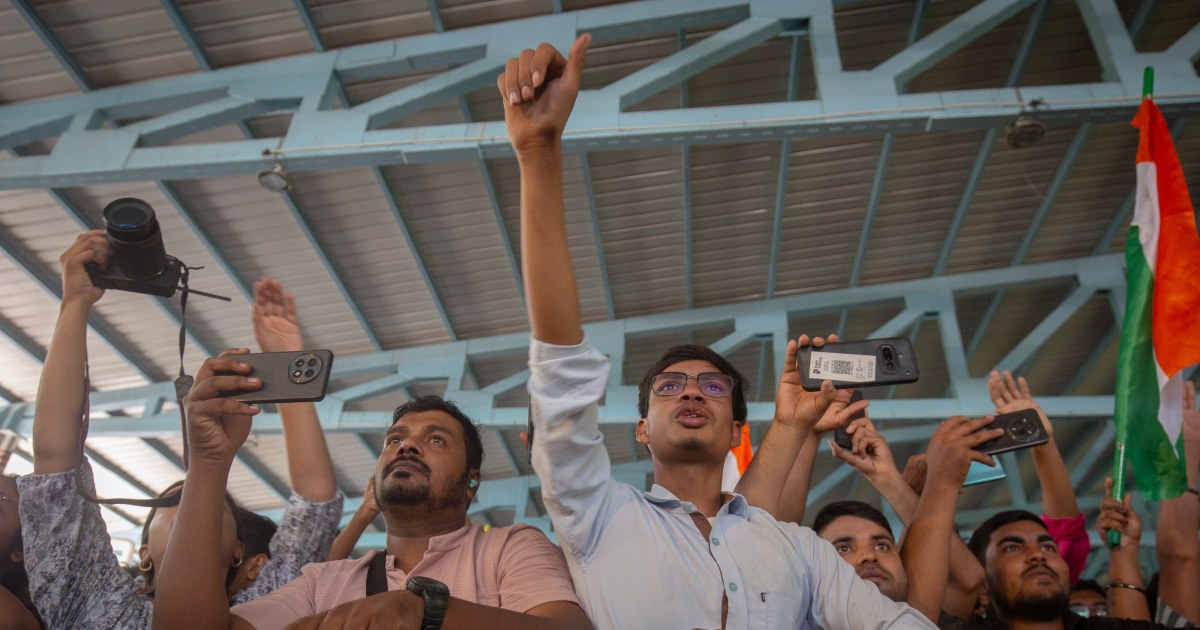
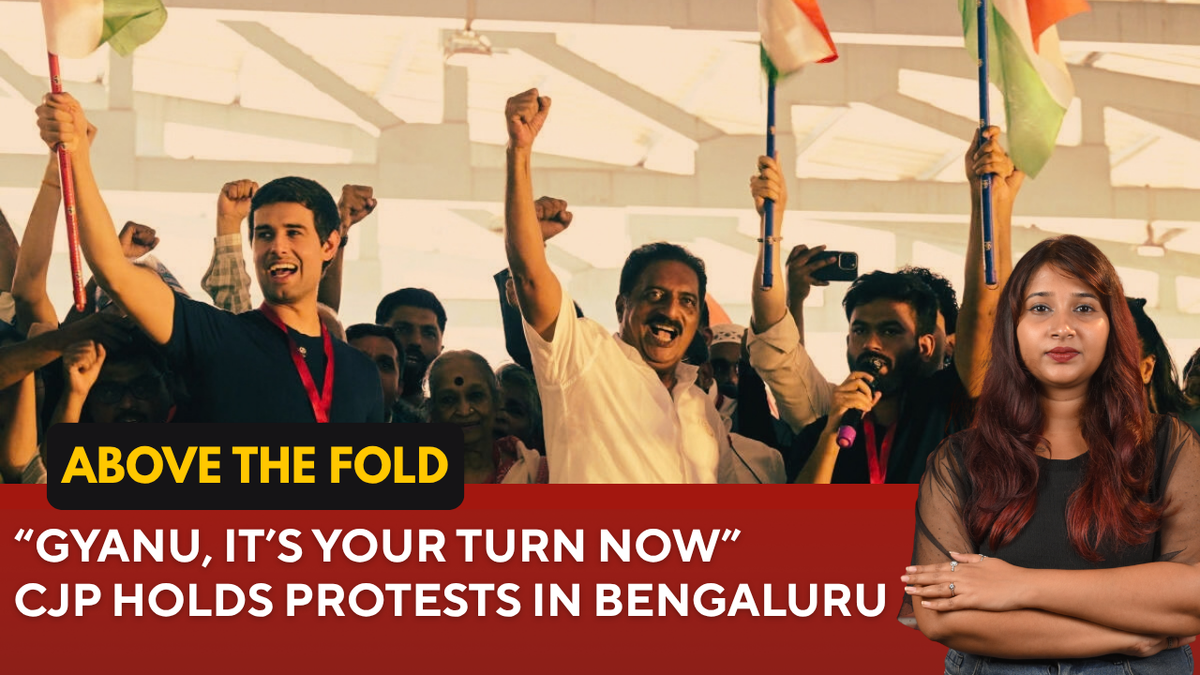
On October 8, 2026, the ‘Cockroach’ student movement and affiliated youth cadres successfully coordinated a massive demonstration at Bengaluru’s Freedom Park. This assembly represented a strategic shift in the geography of dissent, utilizing horizontal social media distribution to bypass traditional media gatekeepers. The event served as a high-visibility platform for diverse stakeholders, ranging from political strategists like Abhijeet Dipke of the Cockroach Janta Party to prominent cultural critics.
A significant inflection point in the mobilization was the involvement of independent digital commentator Dhruv Rathee. The convergence of the ‘creator economy’ with physical street-level organizing was underscored by a viral Instagram teaser that registered 6.4 million likes, illustrating the capacity of digital-native influencers to drive physical political turnout. This synergy between high-reach digital platforms and on-ground agitation has established a new paradigm for civic engagement in the Indian context, placing unprecedented pressure on federal regulators.
Institutional Paralysis and the Mechanics of Appeal
The administrative fallout of the voter purge has manifested as a historic gridlock within regional electoral tribunals. With millions of affected citizens filing statutory appeals, the bureaucratic apparatus is struggling to maintain functional equilibrium. Each contestation requires rigorous document verification and field confirmation, creating a logistical impasse that threatens the legitimacy of upcoming municipal and state-level polls. Legal analysts argue that if these challenges are not resolved with administrative velocity, the resulting ‘legal limbo’ could undermine the foundational principle of universal suffrage.
The lack of a transparent, cross-partisan consensus regarding the SIR methodology has exacerbated public distrust. The Election Commission now faces the dual challenge of managing a massive re-inclusion process while defending its regulatory standards before a skeptical judiciary. This impasse demonstrates the risks inherent in centralized electoral management when technical reforms lack comprehensive institutional communication and public buy-in.
Political Escalation and Detentions in the Capital
Parallel to the Bengaluru assemblies, New Delhi became the site of direct political confrontation. The brief detention of Congress leader Rahul Gandhi during a demonstration near federal offices served as a catalyst for expanded parliamentary protest. Footage of the incident accelerated the internationalization of the dispute, framing the administrative audit as a broader struggle for civic freedoms. The central government’s reliance on law enforcement to manage the resulting unrest has, according to observers, inadvertently unified disparate opposition factions against the current electoral leadership.
With the Cockroach movement signaling a shift of their primary demonstration activities to New Delhi on October 10, the political stakes are projected to intensify. The movement’s resilient posture and collegiate logistical backbone suggest a prolonged period of institutional friction. The resolution of this crisis will likely require more than just technical fixes; it necessitates a restoration of public confidence in the mechanisms that govern Indian democracy.