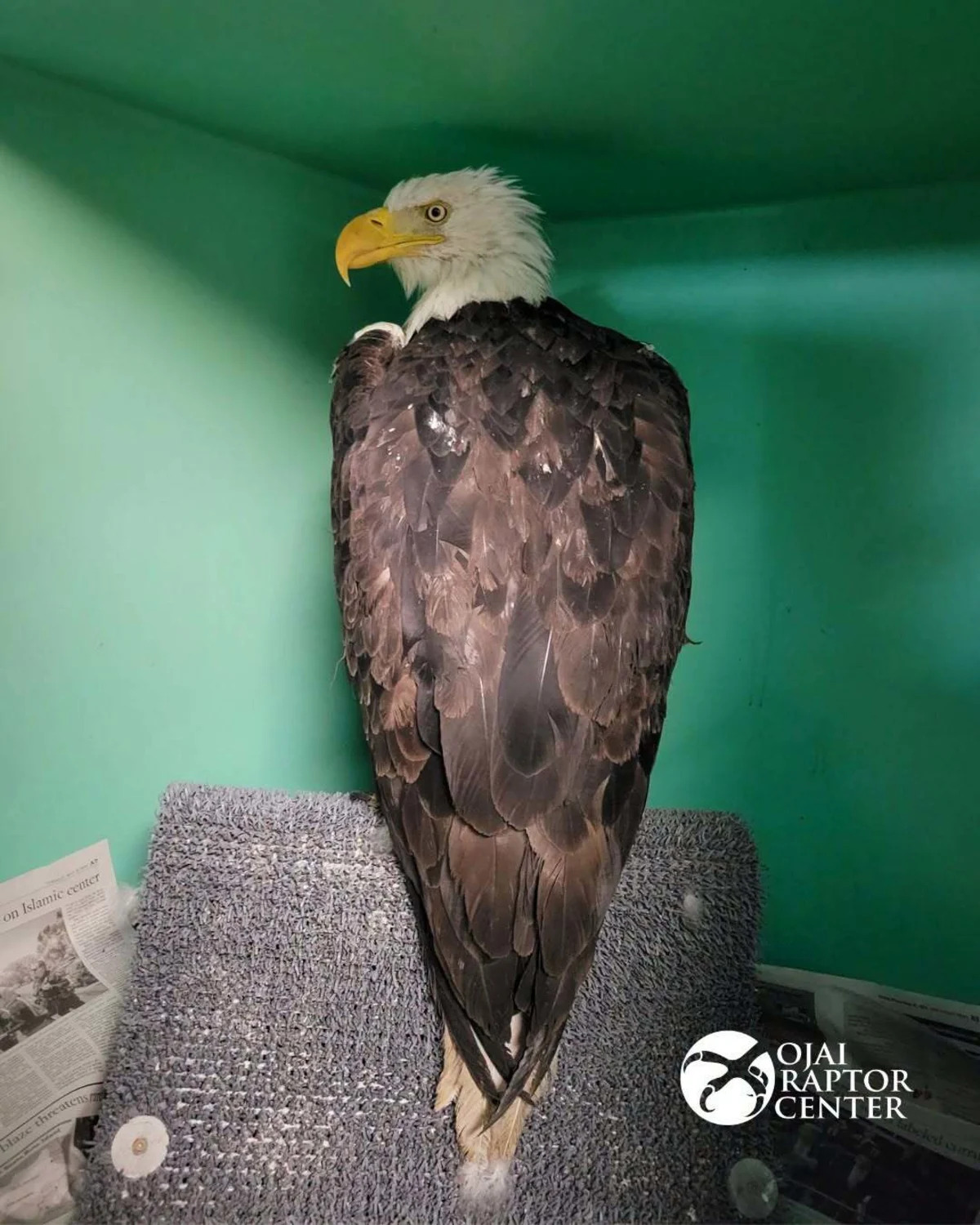
A collaborative diagnostic investigation conducted by the California Department of Fish and Wildlife (CDFW), the San Diego Zoo Wildlife Alliance (SDZWA), and the Ojai Raptor Center has confirmed Highly Pathogenic Avian Influenza (HPAI) as the primary cause of death for the Big Bear Valley bald eagle known as Jackie. The clinical determination concludes post-mortem analyses following the bird’s hospitalization and subsequent death in August.
Atypical Clinical Pathology and Diagnostic Findings
Cataloged as Patient 26-519, the specimen underwent comprehensive histopathology, microbiological assays, and toxicological screening under controlled chain-of-custody protocols. Pathologists identified severe ulceration within the ventriculus (gizzard), which induced catastrophic internal hemorrhaging, severe non-regenerative anemia, and secondary multi-organ septicemia following bacterial translocation through the compromised gastric mucosa.
Steve Kubiski, Director of Disease Investigations at the San Diego Zoo Wildlife Alliance, confirmed that HPAI was the foundational driver of the eagle’s physical collapse. Kubiski emphasized that the virus presented with an atypical gastrointestinal tropism rather than the acute respiratory distress or neurotropic manifestations conventionally documented in raptors infected with contemporary HPAI strains.
Toxicological Profile and Secondary Comorbidities
Hepatic toxicology screens confirmed sub-lethal concentrations of anticoagulant rodenticides. While state toxicologists verified that xenobiotic exposure was not the proximate mechanism of mortality, these compounds represented a concurrent physiological stressor typical of raptors foraging across the urban-wildland interface.
The compounding interplay of severe gastric ulceration, progressive blood loss, and background chemical exposure masked the underlying viral etiology during initial intervention, significantly complicating ante-mortem differential diagnosis.
Clinical Timeline and Critical Care Interventions
The intervention sequence began in late July when field observers discovered the debilitated eagle along the shoreline of Big Bear Lake. First responders executed an emergency extraction, transferring the raptor to the specialized intensive care unit at the Ojai Raptor Center.
Initial diagnostic workups revealed critical hematological depletion. Veterinary teams administered supportive therapy, including an emergency whole-blood transfusion sourced from a donor eagle, accompanied by diagnostic imaging and serial biopsies. Despite intensive supportive protocols, ante-mortem assays did not isolate HPAI before the eagle succumbed on August 10. Following completion of the multi-agency forensic necropsy, the remains were cremated.
Surveillance Protocols and Biosafety Ramifications
The post-mortem confirmation underscores systemic vulnerabilities in existing avian disease surveillance matrices, which historically rely on neurological and respiratory indicators to trigger diagnostic alerts. Atypical gastrointestinal manifestations challenge standard triage rubrics in decentralized wildlife rehabilitation settings.
Furthermore, managing unrecognized HPAI cases highlights significant biosecurity hazards in multi-species facilities, where aerosol and contact transmission risks require stringent barrier isolation protocols. The findings demonstrate the operational necessity of integrating rapid molecular screening tools within frontline rehabilitation networks to monitor evolving HPAI presentations across migratory flyways.
Public Monitoring and Ecological Stress Indicators
Jackie gained international prominence alongside her mate, Shadow, through a long-running high-definition nest camera in Big Bear Valley. The high-profile visibility of the pair amplified public scrutiny throughout the rescue and subsequent diagnostic investigation, necessitating scientific transparency and rigorous data verification from managing agencies.
Ultimately, Patient 26-519 illustrates the cumulative ecological pressures exerted on apex predators. The simultaneous detection of anthropogenic toxins and high-consequence viral pathogens provides valuable epidemiological baseline data on how emerging infectious diseases circulate through wild raptor populations.