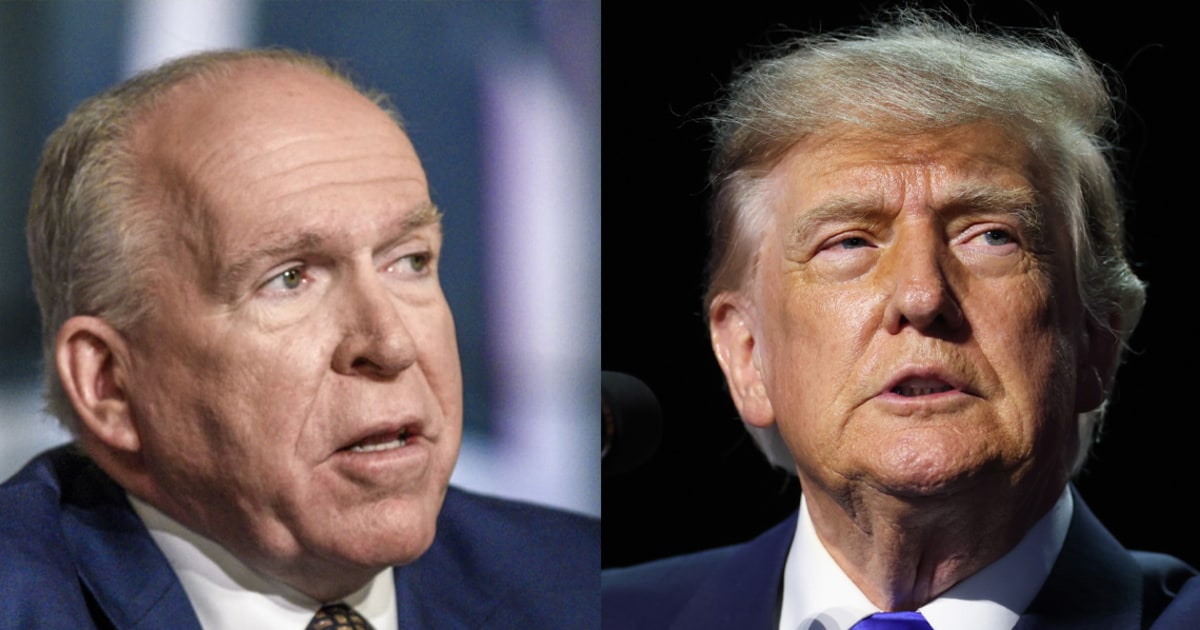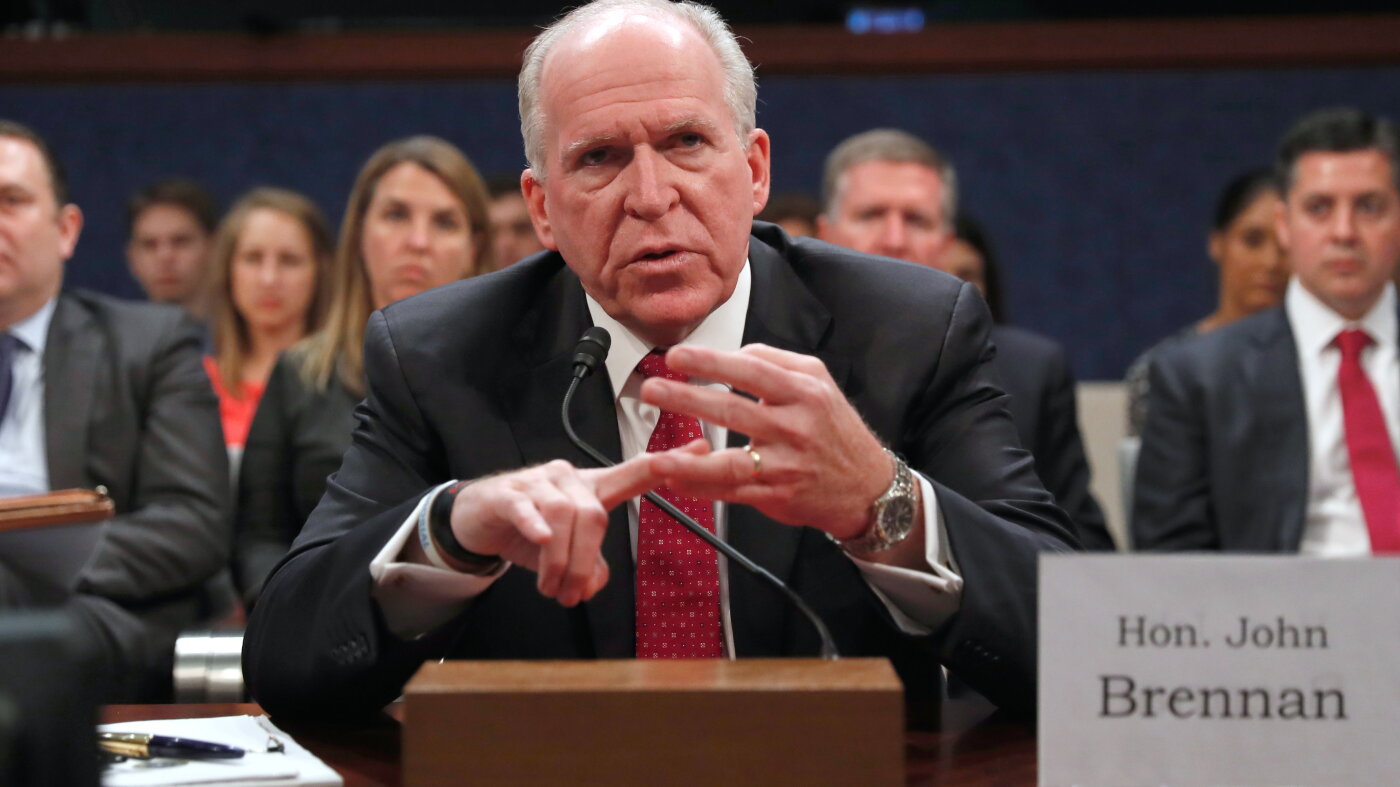
Former CIA Director John Brennan has been subpoenaed to appear before a federal grand jury in Fort Pierce, Florida. The subpoena, reportedly signed by Joe diGenova, is part of a Department of Justice “grand conspiracy probe.” This development emerged shortly before the resignation of the Trump loyalist reportedly leading the inquiry.
Brennan’s attorney, Ken Wainstein, disclosed the subpoena while petitioning for a court order to preserve all records pertinent to ongoing investigations. Wainstein argues that such documentation is crucial to determine if any potential prosecutions are unconstitutionally vindictive or selective.
Federal Inquiry Structure and Jurisdictions
The federal investigation comprises multiple, distinct tracks operating across different jurisdictions. Sources within the prosecutorial team indicate one significant track is based in the Southern District of Florida, addressing issues connected to Mar-a-Lago and broader civil rights concerns involving former President Donald Trump.
Concurrently, a separate investigation is underway in Washington, D.C., focusing specifically on Brennan’s past public statements to congressional bodies. This multi-jurisdictional approach underscores the complex division of labor in politically sensitive executive branch investigations.
Legal Strategy: Record Preservation
The defense team’s urgent request for a comprehensive record-preservation order highlights the critical importance of the evidentiary basis for these probes. Wainstein has stated the current situation presents a lack of historical precedent in his extensive career with the Justice Department.
Maintaining these administrative and investigative communications is deemed a foundational requirement for constructing a defense against potential indictments. Legal observers suggest that without complete record preservation, challenging the motivations of prosecutorial teams becomes significantly more challenging.
Institutional Dynamics and Stakeholder Ramifications
The unexpected resignation of key personnel, including reportedly diGenova, introduces administrative volatility into the handling of these high-profile investigations. Departures can disrupt prosecutorial strategy continuity and alter the institutional risk profile for all named individuals.
For former intelligence officials, these events signal an increased legal exposure stemming from past policies and public controversies. The involvement of figures such as 2020 election critic Kurt Olsen further illustrates the distinct operational dynamics influencing the prosecution teams.
Grand Jury Mechanism and Oversight
The subpoena issued to Brennan signifies a formal escalation in employing grand jury mechanisms to scrutinize the actions of former intelligence leadership. Grand juries operate under strict secrecy rules, making disclosures by defense counsel a vital, albeit limited, window into these opaque proceedings.
As these legal contests unfold in federal courts, a central point of contention revolves around the boundaries of prosecutorial discretion and executive branch authority. The proceedings in Florida and Washington will ultimately shape the procedural viability of any subsequent indictments.