The Structural Tension of Transit Labor Negotiations
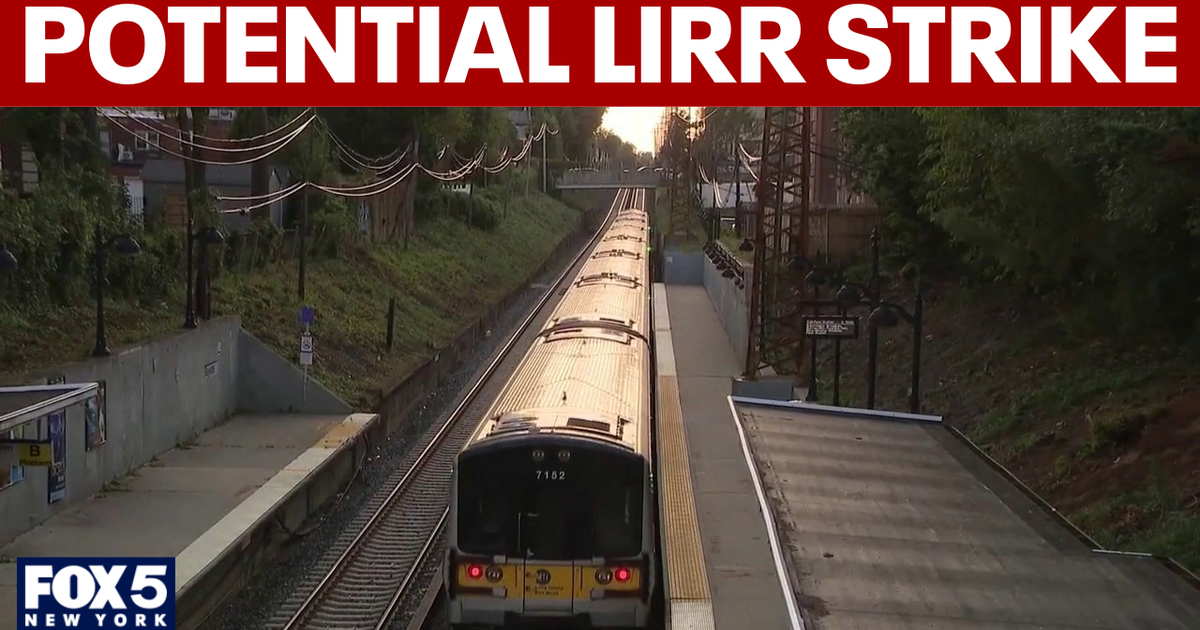
The labor standoff between the Metropolitan Transportation Authority (MTA) and unions representing over 3,500 Long Island Rail Road (LIRR) employees signals a volatile period for regional transit stability. Central to the deadlock is a dispute over wage adjustments for the final year of a four-year contract, beginning this June.
While the first three years of the agreement remain settled, the residual fiscal gap highlights broader systemic challenges for public transit. The unions demand a 5% wage increase indexed to current inflation, while the MTA counters with a 3% offer, with a conditional ceiling of 4.5% predicated on labor rule concessions.
Fiscal Constraints and Operational Leverage
MTA Chair Janno Lieber has tied wage outcomes directly to the agency’s fiscal viability. Management asserts that exceeding current labor expenditure projections risks mandatory service cuts or fare hikes, both of which threaten the MTA’s political and operational mandates. This zero-sum paradigm pits the agency’s long-term insolvency risks against the immediate purchasing power of its workforce.
The Mechanics of Industrial Action
The credible threat of a work stoppage serves as a primary bargaining lever, intended to underscore the essentiality of LIRR personnel. Union leadership, including Gil Lang of the Brotherhood of Locomotive Engineers, is deploying this pressure to align contract terms with inflationary realities. Economically, an LIRR strike would trigger negative externalities for the New York metropolitan area, disrupting the logistical flow of labor and capital, and causing cascading productivity losses for thousands of commercial entities.
Institutional Implications and Future Precedent
This dispute serves as a bellwether for public sector bargaining under inflationary pressure. The MTA’s cost-containment strategy, necessitated by its sensitivity to farebox volatility, clashes with the labor force’s defensive push for wage parity. Failure to bridge the 0.5% gap through mutually beneficial rule modifications threatens not only immediate service continuity but also the future labor-management climate of the MTA network.