Senate Poised for Key Vote on Landmark Digital Asset Legislation
The U.S. Senate is scheduled for a critical procedural vote on the Digital Asset Market Clarity Act, a comprehensive bill poised to fundamentally reshape the cryptocurrency industry’s regulatory framework. This extensive legislation, the product of extensive industry lobbying for clear federal rules, aims to establish the U.S.’s first comprehensive digital asset regulations. The outcome will determine if the bill advances for broader debate and a potential vote on passage, or faces further legislative hurdles.
Industry Advocates Push for Passage Amidst Strong Opposition
Proponents, including major players like Coinbase, are mounting a final push for the Clarity Act, highlighting its potential to introduce regulatory certainty. Coinbase policy chief Faryar Shirzad has emphasized the bill’s alignment with stakeholder demands, asserting it incorporates numerous requested changes. This strategy aims to build bipartisan support by presenting the legislation as a balanced approach fostering innovation within a defined legal structure.
Opposition Intensifies Over Perceived Regulatory Loopholes
Significant resistance stems from a coalition of critics, including banking groups and state attorneys general, who argue the proposed regulations are too lenient and lack robust consumer and investor protections. Banking organizations have specifically raised concerns about the bill’s stablecoin provisions, questioning the efficacy of its proposed circuit breaker mechanism, which they argue may activate only after substantial deposit outflows, limiting its ability to prevent financial instability.
Legislative Path Fraught with Hurdles and Political Maneuvering
The Clarity Act’s journey has been challenging, marked by sustained opposition since its House approval. The upcoming Senate vote on a motion to proceed requires 60 votes, necessitating broad bipartisan cooperation. This procedural threshold underscores the substantial political capital and coalition-building required to advance such intricate legislation, with both sides actively lobbying lawmakers.
Ethics Provisions and Presidential Conduct Under Scrutiny
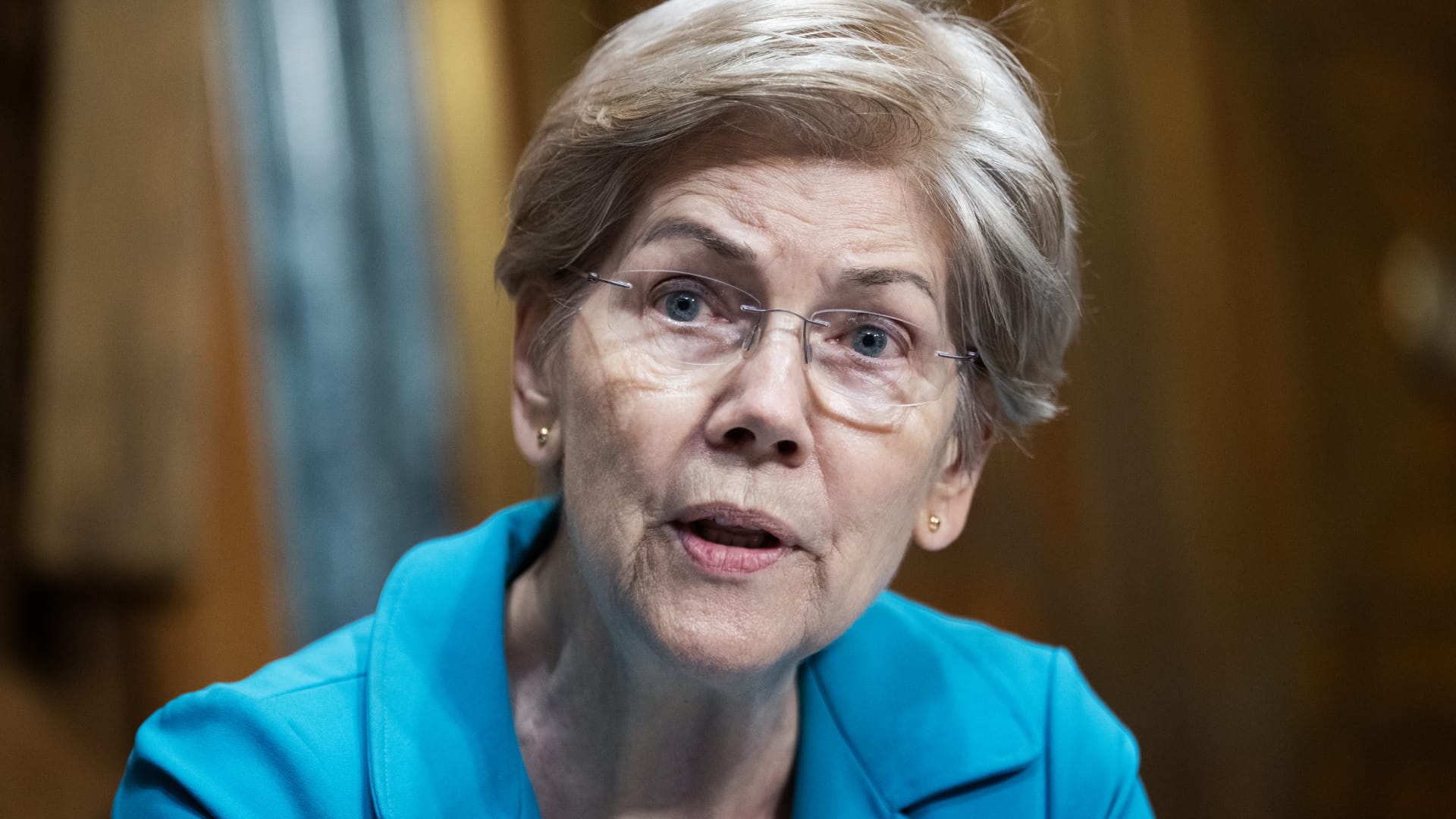
A notable point of contention involves new ethics provisions, particularly concerning the President’s involvement with digital assets. Critics, such as Senator Elizabeth Warren, have characterized certain clauses as superficial, potentially allowing for indirect financial gains. These ethics clauses, intended to mitigate conflicts of interest, have become a focal point, highlighting anxieties about governance and influence in the digital asset space.
State Attorneys General Voice Bipartisan Opposition
Bipartisan opposition extends to state-level enforcement concerns. New York Attorney General Letitia James, leading 17 other attorneys general, urged Congress to block the Clarity Act. Their collective stance signals apprehension that federal legislation may preempt or undermine existing state regulatory authority, potentially fragmenting oversight and complicating compliance for the industry.
Stablecoin Provisions Fuel Banking Sector Concerns
Specific stablecoin provisions have drawn criticism from traditional banking institutions. Their pushback focuses on the perceived inadequacy of the bill’s circuit breaker mechanism for stablecoin yields, arguing it is reactive, failing to prevent initial deposit flights that could trigger market instability. This highlights a fundamental tension between established financial sector risk aversion and the dynamic nature of digital assets.
Strategic Implications for the Cryptocurrency Ecosystem
The Act’s potential enactment carries profound strategic implications. Clear federal regulation could unlock substantial institutional investment by reducing ambiguity and perceived risk. Conversely, if opposition prevails, continued uncertainty may hinder the industry’s integration with traditional finance and slow broader adoption.
Intensified Lobbying and Industry Advocacy Efforts
The intense lobbying surrounding the Clarity Act reflects significant financial and strategic interests. Industry leaders are actively engaging lawmakers, leveraging policy chiefs and public platforms to advocate for a favorable regulatory environment. This high-stakes advocacy demonstrates the cryptocurrency sector’s maturation as it seeks to influence its governance through legislative channels.
Potential Market Structure Realignment
Passage of the Clarity Act could substantially realign market structure. Clear rules might drive industry consolidation, favoring compliant entities. Moreover, defined regulations could attract hesitant institutional and retail investors, potentially increasing liquidity and market capitalization across digital assets.
Ethics Clause: A Governance Battleground
The debate over the ethics provision highlights a critical tension in governing emerging technologies. Critics argue that loopholes allowing senior officials to profit from digital assets undermine public trust. This clause’s prominence reflects broader challenges in ensuring ethical leadership and preventing regulatory capture in rapidly evolving technological sectors.
Federal vs. State Regulatory Authority Debate
The opposition from state attorneys general raises significant questions about federal versus state regulatory authority. The Act’s potential preemptive effect on state regulations could centralize oversight, creating a more uniform federal environment but potentially diminishing state-level flexibility.
‘Motion to Proceed’ Vote: A Critical Viability Test
The vote on the ‘motion to proceed’ is a critical litmus test for the Clarity Act’s viability. Securing 60 votes signifies broad consensus and willingness for substantive debate, indicating a strong likelihood of eventual passage. Failure would effectively halt the bill for this session.
Broader Precedents for Technology Regulation
The Clarity Act battle offers insights into regulating rapidly advancing technologies. Policymakers grapple with technical nuances, balancing innovation with risk, and navigating industry influence. The outcome may inform future regulatory approaches to other emerging sectors.
Capital Movement and Investment Incentives
Regulatory clarity is a key driver for capital movement. Clearer rules could unlock substantial institutional investment by providing a more predictable environment, potentially increasing valuations and investment in blockchain infrastructure.
Performance Leverage and Competitive Positioning
For crypto companies, regulatory clarity offers performance leverage by reducing operational costs associated with navigating complex regulations. It enhances competitive positioning by providing a stable foundation for business development and strategic planning.
Stakeholder Exposure and Risk Management Dynamics
The Act exposes stakeholders to varying risks and rewards. Exchanges and issuers face compliance burdens alongside legitimacy. Traditional finance faces competitive threats and integration opportunities. Consumer protection hinges on the bill’s safeguard and enforcement provisions.
Evolving Definition of ‘Safeguards’ in Digital Assets
Central to the opposition is the adequacy of proposed ‘safeguards.’ Critics argue current measures are insufficient against inherent risks like volatility and fraud. This debate reflects ongoing efforts to adapt traditional financial protections to the unique characteristics of decentralized markets.
The Long Road of Legislative Compromise
The Act’s complex path underscores the difficulty of achieving consensus on novel issues. Its extensive nature and opposition suggest passage will likely involve significant compromises, reflecting the dynamic interplay of industry interests and policy objectives.
Future of Crypto Regulation Hinges on Senate Vote
Ultimately, the upcoming Senate vote represents a critical juncture for U.S. cryptocurrency regulation. The outcome will signal whether the nation moves toward a comprehensive federal framework or continues with a fragmented approach, with far-reaching consequences for innovation and market integration.