
Consolidating Parliamentary Leverage
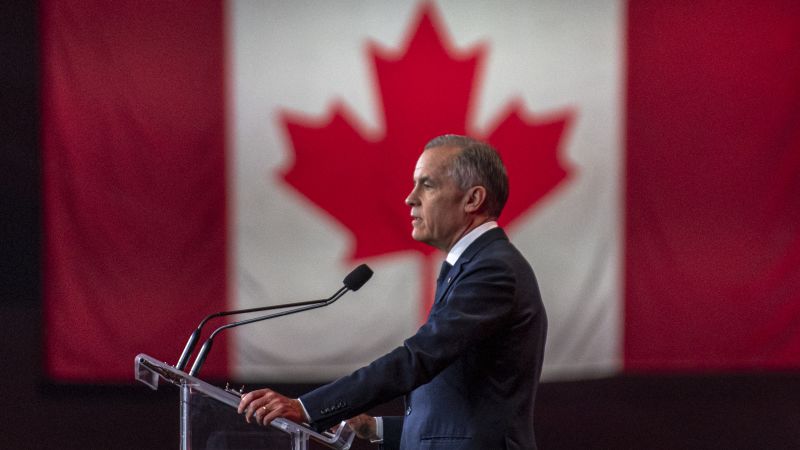
Prime Minister Mark Carney has achieved a formal majority in the House of Commons, ending the constraints of minority governance. Through a combination of strategic special election victories and targeted floor-crossing defections, the Liberal Party now holds 173 seats. This shift grants the executive branch the legislative autonomy required to bypass previous gridlock and implement a more decisive economic agenda.
Strategic Response to Protectionism
At the core of Carney’s legislative mandate is a tactical response to U.S. protectionist policies. The administration aims to mitigate tariff-induced volatility by accelerating a shift toward economic diversification. By reducing historical reliance on the U.S. market, the government seeks to transition from reactive diplomacy to a proactive stance of economic sovereignty.
Institutional Dynamics and Policy Velocity
The transition from a minority to a majority government recalibrates Canada’s institutional landscape. Without the necessity of coalition negotiation, the Liberal Party can accelerate the implementation of trade defense mechanisms and internal economic restructuring. While this enhances governance efficiency, it also centralizes political accountability; the administration now bears full responsibility for the potential inflationary or supply chain consequences of its decoupling strategy.
Market Implications and Risk Assessment
Investors are closely monitoring the shift, as the policy pivot threatens to impact cross-border supply chains. Carney’s assertion of an independent trade trajectory forces a recalibration of long-term planning for Canadian firms. The success of this policy framework hinges on the government’s ability to navigate the tension between asserting national interests and maintaining the stability of the North American trade corridor.
Analytical Synthesis
Carney’s leadership reflects a broader global trend of middle powers prioritizing economic resilience amidst geopolitical fragmentation. His ability to build a legislative majority demonstrates administrative agility, yet the long-term viability of his strategy remains untested. As Canada pursues this shift, the government must balance its protectionist-defensive stance with the systemic realities of global trade interdependence to avoid alienating key domestic sectors.

Photo by 652234 on Pixabay.