Disrupting Industry Hierarchies: The Passing of Sway DaSafo
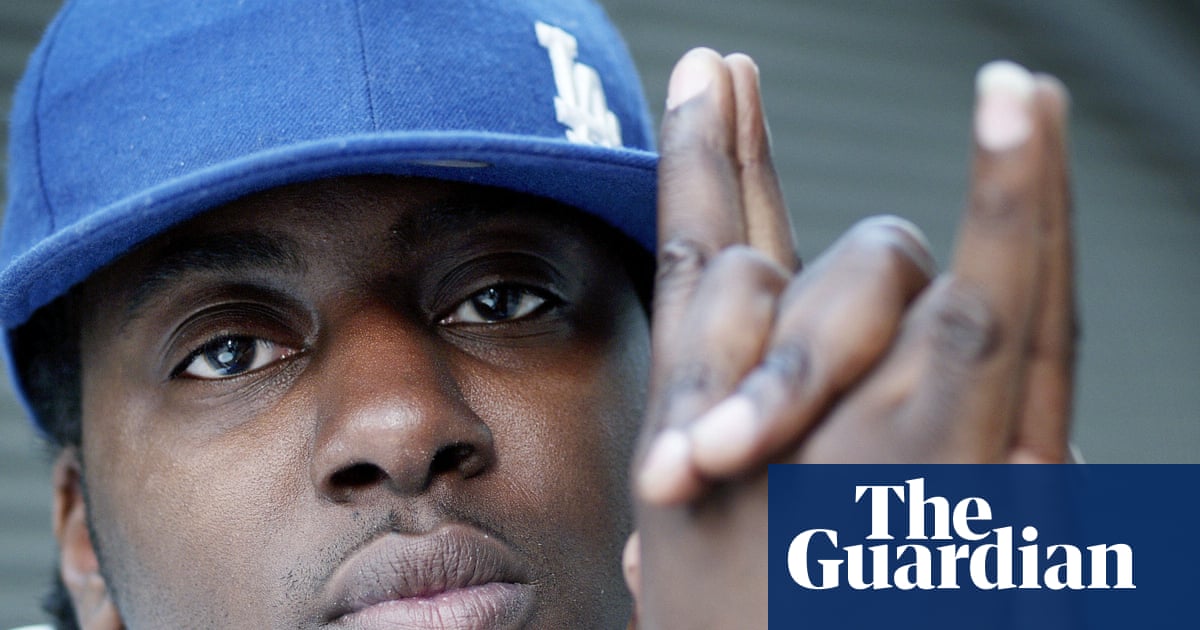
Derek Andrew Safo, professionally known as Sway DaSafo, has died at the age of 44 at his home in Ghana, as confirmed by the MOBO Awards organization and close associates. While no official cause of death has been disclosed, his passing marks the loss of a foundational architect of independent British rap. Operating prior to the streaming ecosystem, Safo bypassed conventional major-label gatekeeping, establishing an early proof of concept for direct-to-consumer sustainability and self-distribution in the UK urban music market.
The 2005 MOBO Breakthrough as a Structural Inflection Point
In 2005, Safo achieved a critical industry benchmark by becoming the first unsigned artist to secure the MOBO Award for Best Hip-Hop Act. Prevailing against heavily capitalized international contenders, including 50 Cent and The Game, this outcome disrupted the prevailing commercial consensus that British domestic rap required multinational distribution budgets to compete globally. The victory forced domestic A&R divisions to re-evaluate grassroots credibility and accelerated institutional investment in homegrown Black British music.
Stylistic Differentiation and Institutional Incubation
Emerging alongside the early-2000s rise of grime, Safo differentiated his catalog through literate, narrative-driven lyricism rather than relying exclusively on high-tempo, battle-centric delivery. This versatility allowed him to cross commercial boundaries between hip-hop, grime, and club radio while maintaining a deliberate focus on positive thematic framing. His growth was accelerated by public service broadcasting: after gaining initial traction across pirate radio networks, his inclusion on BBC Radio 1Xtra in 2002 illustrated the strategic role of public media infrastructure in formalizing emerging subgenres into mainstream cultural assets.
Health Vulnerability, Commercial Longevity, and IP Ownership
In 2010, Safo faced acute personal and operational disruption upon being diagnosed with Hodgkin lymphoma. Entering remission later that year, he maintained commercial viability through independent channels, returning to the UK Top 10 in 2012 with the single “Level Up.” This recovery highlighted both the financial fragility of the self-financed artist model and Safo’s capacity for strategic brand reinvention. Throughout his career, his retention of master rights and intellectual property provided an enduring operational model for subsequent generations of self-managed UK artists.
The Transnational London-Ghana Trajectory
Born in London to Ghanaian parents, Safo utilized his dual identity as an artistic asset, bridging the socio-cultural dynamics of North London with West African creative networks. His later transition to living and working in Ghana aligned with a broader macroeconomic movement within the African diaspora, which prioritizes capital reinvestment and cultural production within West African hubs. Safo leaves behind an enduring operational legacy: demonstrating that critical recognition, chart access, and creative sovereignty are achievable outside traditional corporate label systems.