Strategic Stakes and Executive Risk Mitigation
The clash between AS Roma and Inter Milan at the Stadio Olimpico pairs Serie A’s sole remaining perfect records, elevating an early-season fixture into a critical operational stress test. Beyond the immediate psychological leverage in the Scudetto race, Inter President Giuseppe Marotta’s deliberate de-escalation—framing the match as non-decisive—represents a calculated risk-mitigation strategy. By dampening external volatility and insulating the dressing room from premature championship scrutiny, Marotta protects organizational equilibrium while internal metrics gauge competitive viability against a direct rival.
The Sporting Director Paradigm: Squad Optimization vs. Asset Friction
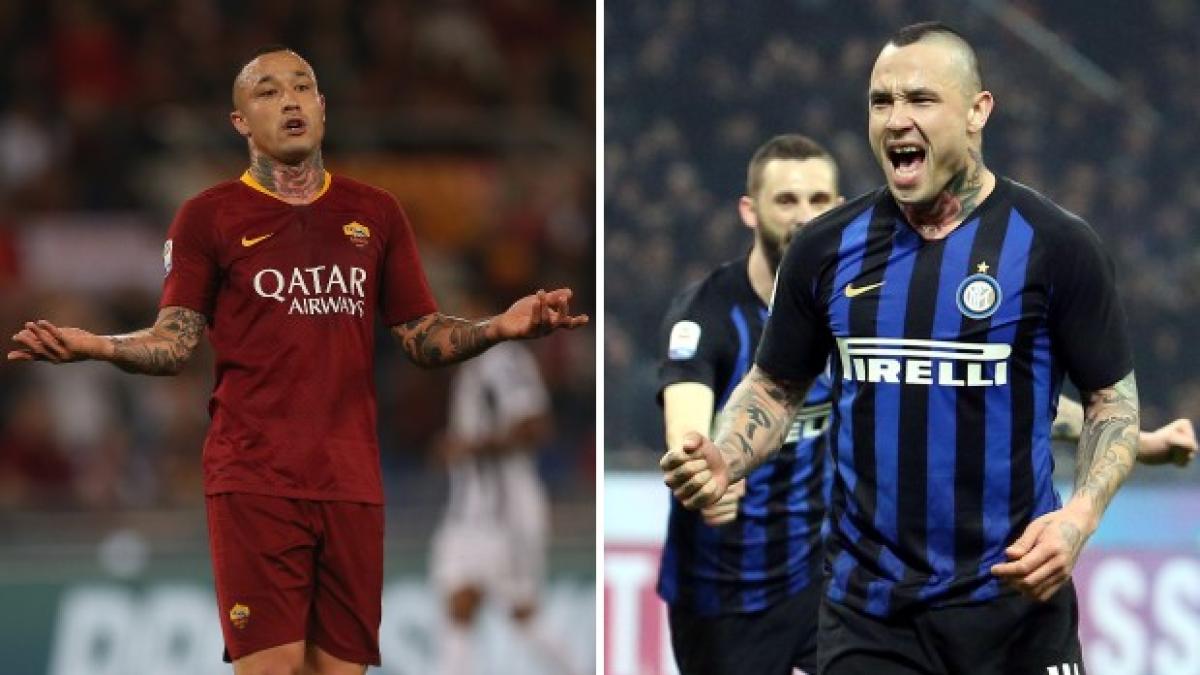
Radja Nainggolan’s retrospective critique regarding his Roma departure exposes systemic friction between institutional asset optimization and player capital. His characterization of former sporting director Monchi’s transfer execution as duplicitous underlines the recurring conflict within elite front offices: prioritizing short-term capital realization and balance-sheet liquidity over locker-room cohesion and player equity.
Furthermore, Nainggolan’s attribution of his subsequent Inter exit under Antonio Conte to interpersonal retribution highlights how managerial prerogative can supersede objective asset performance. When administrative turnover and managerial authority override continuity, clubs absorb reputational risks and potentially compromise on-pitch return on investment by alienating high-utility veterans.
Technical Compression and Modern Tactical Evolution
Nainggolan’s assertion that contemporary football has grown structurally “easier” due to regulatory shifts reflects an analytical reality: modern tactical structures increasingly favor physical repeatability and spatial discipline over autonomous individual improvisation. Micro-moments within the fixture—such as Mile Svilar parrying Yann Bisseck’s effort, generated by Lautaro Martínez—illustrate the razor-thin tactical margins governing elite Serie A encounters, where high-efficiency transition sequences are neutralized by specialized, reactionary goalkeeping.
Institutional Continuity and Historical Brand Equity
Inter’s public commemoration of Sandro Mazzola’s 17-season legacy under Angelo Moratti and Helenio Herrera reinforces core brand equity during modern corporate transitions. Ceremonial observances, including black armbands and moments of silence, serve functional governance roles: aligning contemporary commercial stakeholders with foundational sporting prestige, preserving cultural memory, and validating institutional standards for developing academy assets.
Macro-Economic Implications in the Scudetto Race
Roma’s early table-topping position with 15 points across five fixtures sharpens their commercial leverage and brand profile among domestic stakeholders. Inter, managing match backlogs and UEFA Champions League rotation, operates under strict squad-preservation imperatives where European qualification drives baseline cash flows. With mid-table competitors demonstrating tactical resilience, both front offices must continually balance long-term financial fair play compliance against the acute sporting demands of title contention.