New Cat Species Discovery Highlights Biodiversity Blind Spots
The formal description of Leopardus tilcayo, colloquially known as the tilcayo tiger cat, from Bolivia’s Yungas cloud forest represents a landmark event: the first new wild cat species identified by science in over a century. Originating from a chance encounter in 2016 involving a kitten mistakenly identified as domestic, this discovery profoundly underscores the persistent gaps in our global biodiversity inventory, particularly within complex, remote ecosystems.
The classification process was critically dependent on genome sequencing of both extant specimens and historical museum samples. This molecular analysis revealed that South America’s ‘tiger cats’ actually comprise five distinct species, challenging previous taxonomic assumptions. This application of advanced genetic techniques is pivotal in resolving long-standing taxonomic ambiguities and precisely delineating species boundaries.
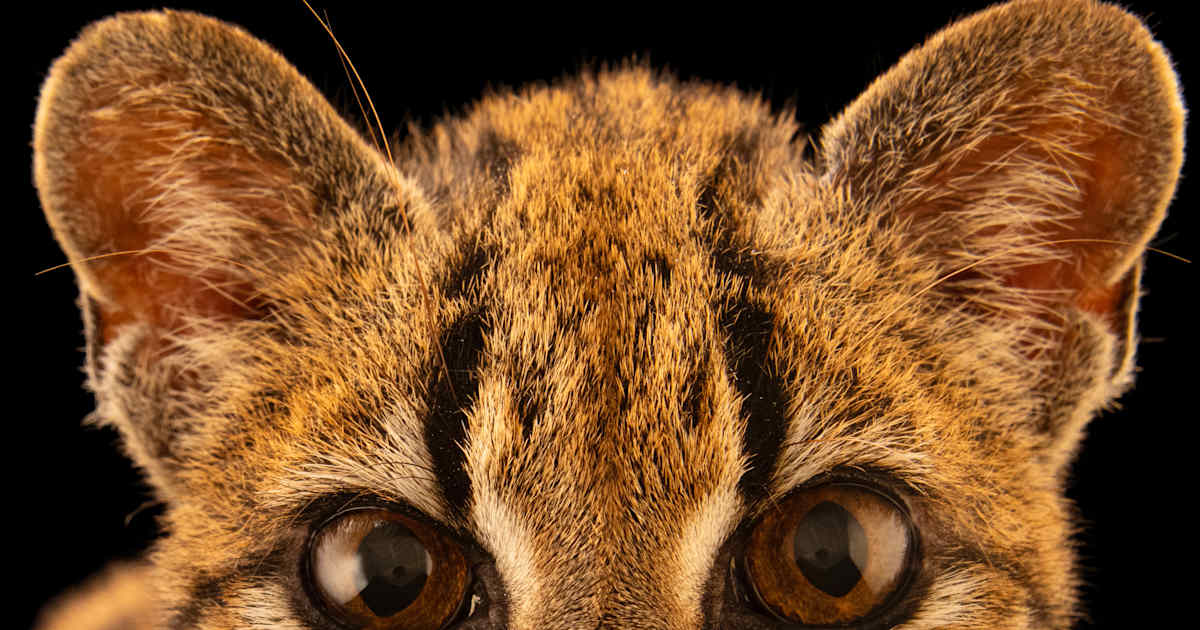
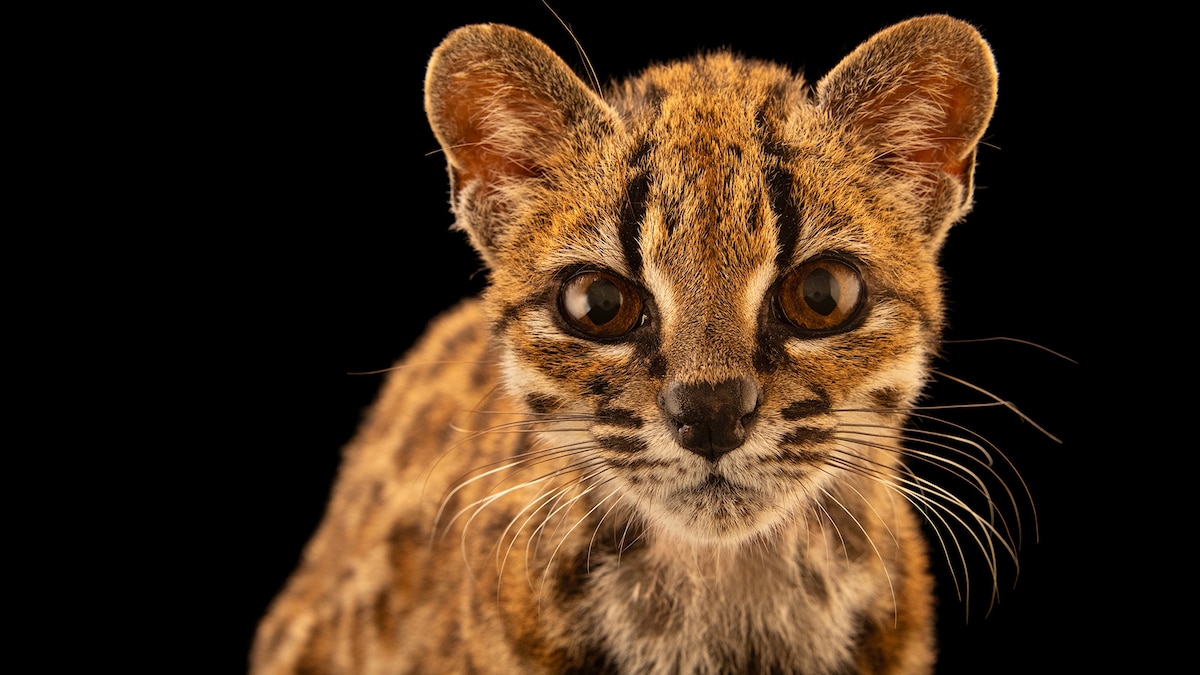
Dr. Paola Nogales-Ascarrunz, a biologist and National Geographic Explorer leading the Bolivian Felids Research Program, spearheaded the identification after being alerted by a local wildlife sanctuary. Initial observations noted distinctive morphological traits—a notably small, ‘scrunched’ face, short rounded ears, prominent whiskers, and leopard-like spotting—which immediately suggested a novel taxon, prompting rigorous scientific investigation.
The tilcayo tiger cat is comparatively small, weighing approximately three pounds and measuring about 18 inches from head to tail. Its restricted habitat in the subtropical flank of the Bolivian Andes, characterized by dense cloud forest and challenging topography, likely contributed to its prolonged obscurity from scientific documentation.
This discovery directly challenges the assumption that large, charismatic megafauna are fully cataloged. It suggests that numerous smaller, more cryptic species may still await formal scientific description, with significant implications for conservation strategies. Existing protected areas and biodiversity assessments may be insufficient to encompass the full spectrum of species requiring protection.
Crucially, the population size of Leopardus tilcayo remains undetermined. This data gap, common for newly identified species in remote environments, presents a direct obstacle to effective conservation planning, including accurate extinction risk assessment and resource prioritization.
The findings were formally published in the scientific journal Current Biology, marking the official recognition of Leopardus tilcayo. This peer-reviewed publication establishes a critical baseline for future ecological studies and informs subsequent research and conservation initiatives.
The discovery narrative, including the initial finder’s year-long retention of the kitten before recognizing its wild status, highlights the intricate interface between human activities and wildlife. It also demonstrates the serendipitous potential of citizen science and public observation in identifying novel biological phenomena.
The geographic isolation and specific ecological niche of the Yungas cloud forest have been instrumental in the tilcayo tiger cat’s evolutionary trajectory and its ability to evade detection. Such unique environments are vital biodiversity hotspots, often harboring endemic species, yet are increasingly vulnerable to habitat degradation and climate change.
This discovery necessitates a re-evaluation of existing feline classifications within mammalogy and zoology, potentially revealing further undescribed species within the Leopardus genus and other small cat groups globally. Taxonomic revisions may be required, impacting our understanding of evolutionary relationships and biogeographic patterns.
Support from organizations like the National Geographic Society is vital for facilitating high-risk, high-reward scientific exploration, particularly in documenting and protecting regions where funding is scarce.
The existence of Leopardus tilcayo serves as a potent reminder of Earth’s vast, unexplored biodiversity, underscoring the urgent need for sustained scientific inquiry and robust conservation measures. It compels the scientific community and policymakers to intensify efforts in cataloging and protecting species before they are lost, often before their existence is even known.
For Bolivia, a nation exceptionally rich in biodiversity, this discovery holds significant economic implications. It can bolster ecotourism, highlighting the intrinsic value of natural habitats and potentially attracting increased investment in conservation and sustainable land management.
Further research into the genetic diversity of other South American felids is likely to be spurred by this finding, potentially leading to the identification of overlooked subspecies or cryptic species and refining our understanding of their evolutionary history and ecological roles.
The prolonged period of obscurity for this species, despite its presence in a somewhat accessible region, underscores the limitations of traditional survey methods. It emphasizes the necessity of a multi-faceted approach to biodiversity assessment, integrating genetic analysis, remote sensing, and community engagement.
The scientific community’s reliance on genome sequencing highlights molecular biology’s transformative impact on taxonomy, enabling precise species differentiation based on genetic markers often invisible to morphological examination alone.
The fact that this is the first new cat species described in over a century is a stark indicator of the pace of discovery in mammalogy, particularly for well-studied groups. It suggests that significant taxonomic work remains, especially for smaller, cryptic, or geographically restricted species.
The discovery’s trajectory, from a chance encounter to formal classification, exemplifies the serendipitous nature of scientific exploration and the dedication required to transform intriguing anomalies into significant contributions to natural science.
The prospect of a ‘wave of new small cat species,’ as initially reported, suggests that Leopardus tilcayo may not be an isolated case. This necessitates a proactive research strategy to anticipate further discoveries and prepare institutional frameworks for their management and protection.
The ecological role of Leopardus tilcayo within the Yungas cloud forest ecosystem remains an open question, presenting a critical avenue for future research. Understanding its diet, predatory behavior, and interspecies interactions is vital for comprehending habitat health and ecosystem functioning.
The classification of Leopardus tilcayo significantly contributes to our understanding of evolutionary processes in the Neotropics, a global biodiversity hotspot. Studying its genetics and distribution offers insights into speciation mechanisms and adaptation to environmental pressures.
International collaboration in this discovery underscores the interconnected nature of modern biological research, essential for pooling expertise and resources to address complex taxonomic and conservation challenges across borders.
Long-term conservation of Leopardus tilcayo hinges on effective land-use policies in Bolivia and the Andean region. Mitigating threats like deforestation, agricultural expansion, and climate change is paramount for species and habitat survival.
The initial misidentification of the tilcayo tiger cat as domestic highlights a common public perception gap regarding wildlife. Educational initiatives clarifying distinctions between wild and domestic animals are crucial for fostering responsible human-wildlife coexistence.
The rigorous scientific process—from initial observation to genetic analysis and peer-reviewed publication—exemplifies the methodical approach required for taxonomic validation, ensuring the reliability of scientific knowledge and a solid foundation for conservation actions.
This discovery, made in the 21st century, counters narratives of diminishing scientific frontiers, demonstrating that foundational discoveries about life on Earth are still possible, particularly in under-explored biological realms.
The existence of a newly identified species can galvanize conservation funding and support for habitat protection and species-specific programs, providing a tangible focal point for advocacy efforts.
The scientific classification process, establishing a holotype specimen and detailed descriptions, ensures Leopardus tilcayo is uniquely identifiable, fundamental to biological nomenclature and research.
The presence of Leopardus tilcayo in the environmentally pressured Yungas cloud forest underscores the urgency of conservation interventions, vital not only for this species but for its entire ecosystem.
The discovery’s progression from a single animal in a sanctuary to broader scientific understanding emphasizes the importance of observing and documenting unusual specimens.
The discovery significantly advances the scientific community’s efforts to understand the evolutionary history of South American felids, providing a crucial data point for phylogenetic studies of the Leopardus genus.
The potential for further discoveries in similar ecological contexts globally suggests current species richness estimates may be conservative, necessitating sustained investment in taxonomic research and field biology.
The role of biological collections and museums, utilized for genome sequencing, remains critical as repositories of biodiversity data essential for taxonomic and evolutionary research.
Leopardus tilcayo serves as a compelling case study for interdisciplinary research, integrating fieldwork, genetics, and taxonomic expertise to address complex biological questions.
The long-term impact will be measured by its contribution to conservation policy, scientific understanding, and public awareness of Earth’s hidden biodiversity, reinforcing the imperative to explore, understand, and protect the natural world.