The Strategic Influence of Israeli Policy on U.S. Decision-Making
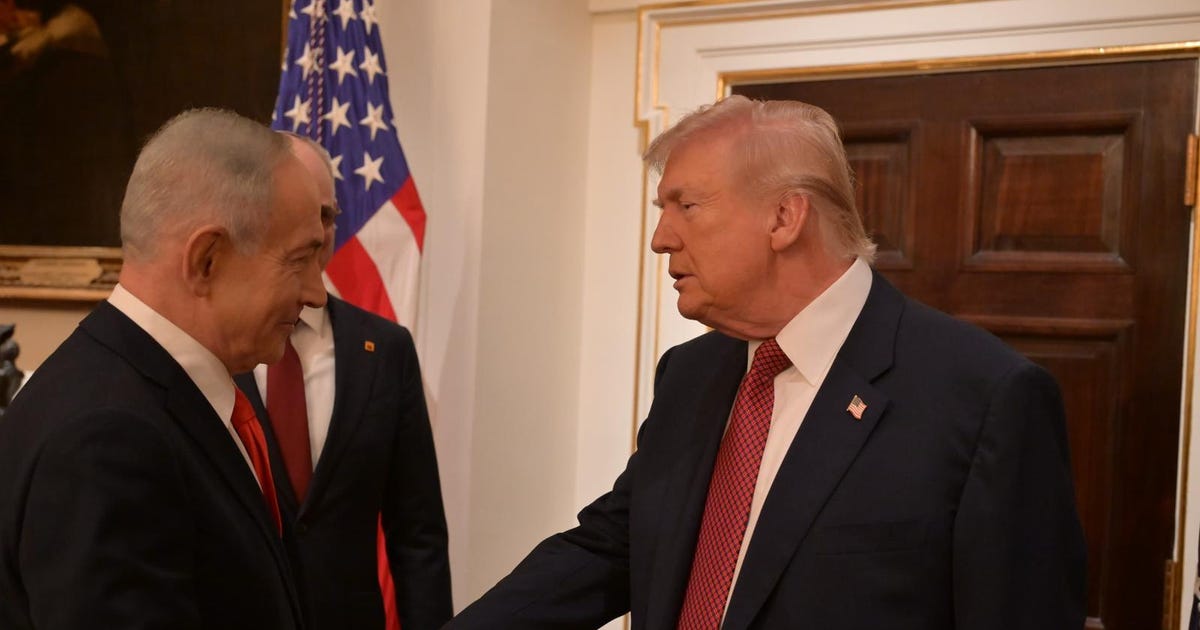
Investigative reporting has unveiled the volatile internal dynamics of the Trump administration regarding Iran, centered on the strategic influence of Prime Minister Benjamin Netanyahu. Netanyahu reportedly presented a thesis to the U.S. executive branch suggesting that Iran was uniquely susceptible to internal collapse, advocating for coordinated U.S.-Israeli action to catalyze the fall of the Islamic Republic.
Operational Assumptions: The Regime Change Thesis
The Israeli strategic assessment rested on the assumption that domestic unrest in Iran, compounded by acute external pressure, would force a rapid transition of power. A secondary, critical technical assumption held that Iran lacked the naval capability to effectively block the Strait of Hormuz. This calculation was pivotal, as any obstruction of this energy chokepoint would have triggered catastrophic volatility in global oil markets.
Administrative Friction and the Erosion of Guardrails
The internal response to these proposals reveals a marked divide between the President’s political inclinations and the national security establishment. Senior staff reportedly dismissed these regime-change plans as operationally unsound. However, the administrative apparatus failed to check these initiatives; staff refrained from formal dissent, allowing the President’s policy trajectory to bypass standard interagency review processes.
The Mechanism of External Influence
The U.S.-Israeli alignment serves as a case study in how external partners can navigate domestic institutional vulnerabilities. By framing regional security goals in terms of the President’s own ideological objectives, Netanyahu effectively bypassed the traditional bureaucratic skepticism that typically governs foreign policy formulation. This dynamic illustrates the risks of executive decision-making when decoupled from expert risk assessments.
Regional Stability and Institutional Coherence
The reliance on the predictability of Iranian internal politics remains a major analytical failure in contemporary foreign policy. Critics argue that such strategies often ignore the potential for ‘rally-around-the-flag’ effects, which can inadvertently strengthen hardline factions in the target nation. Furthermore, the resulting policy volatility has created a persistent lack of alignment between U.S. political leadership and the career civil service, undermining the credibility of diplomatic commitments and complicating long-term strategic planning for regional stakeholders.