
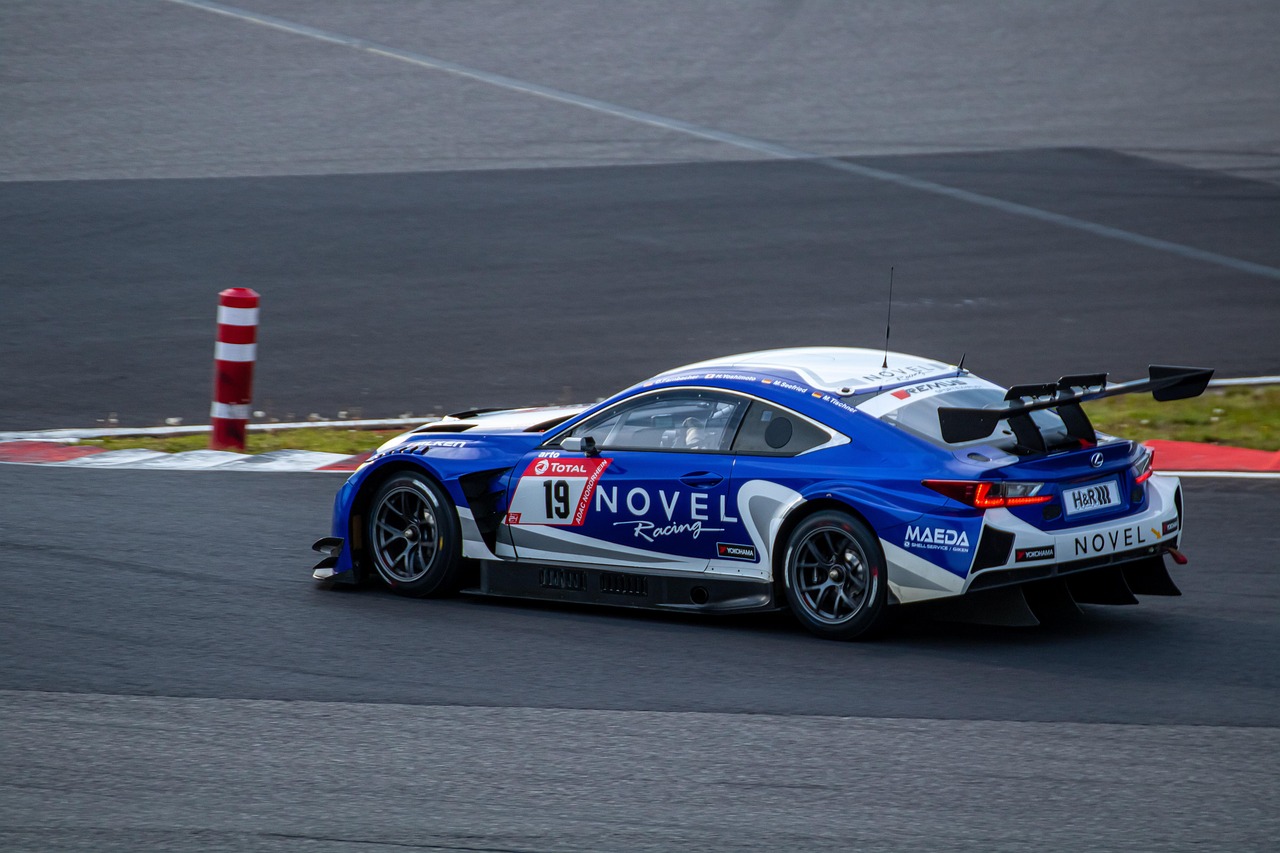
Capital Reallocation: The Strategic Sunset of Lexus Grand Tourers
Toyota Motor Corporation’s decision to terminate production of the Lexus RC and RC F in late 2025, followed by the LC 500 in August 2026, marks a definitive shift in the luxury division’s capital allocation strategy. This transition represents a pivot from low-volume, prestige-driven internal combustion flagships toward high-margin SUV architectures and modular electrified platforms. By sunsetting these legacy models, Lexus is prioritizing operational efficiency and R&D amortization over the traditional prestige of the naturally aspirated V8 grand tourer.
Operational Efficiency and Supply Chain Finality
The late 2025 cutoff for the RC line facilitates immediate manufacturing retooling, allowing Lexus to streamline its specialized assembly facilities. The August 2026 conclusion for the LC 500 serves as a symbolic and technical end to the brand’s V8 era. For the global supply chain, these dates represent the expiration of long-term contracts for specialized components, providing a clean break for the brand to transition toward next-generation propulsion systems without the burden of maintaining aging, low-volume platforms.
The Shared Platform Hypothesis: Engineering Synergy
Current industry reports suggest a significant evolution in the Toyota-Lexus relationship: a shared architecture for the next-generation Lexus LC and Toyota Supra. This strategy would allow Toyota to internalize performance development, potentially moving away from the third-party collaborations that characterized the current Supra generation. Leveraging a unified platform would provide the structural rigidity required for a flagship Lexus while maintaining the agile performance benchmarks of the Gazoo Racing (GR) sub-brand. This consolidation of R&D costs is an economic necessity in a market where brand impact is high but sales volumes for sports coupes remain niche.
Market Positioning: From Heritage to High-Margin Utility
The transition toward an SUV-centric lineup reflects a broader industry reality where consumer demand for versatility and electrification outweighs the allure of the two-door coupe. While the departure of the LC and RC risks alienating brand purists, the financial imperative dictates a focus on luxury crossovers and high-performance electric SUVs. The Supra’s potential ‘rebirth’ through a shared Lexus platform would elevate the nameplate’s technical DNA, addressing previous criticisms of its origins while serving as a gateway for younger enthusiasts to enter the Lexus ecosystem.
Conclusion: The Path to 2026 and Beyond
The 2026 production deadline is more than a product retirement; it is a strategic clearing of the path for Japanese performance engineering. By consolidating its sports car efforts into a shared, cost-effective architecture and shifting primary focus to the luxury SUV sector, Toyota Motor Corporation is ensuring that its performance heritage remains viable within an increasingly stringent regulatory and economic landscape. The legacy of the V8 LC 500 will likely transition into high collectability as Lexus defines its future through high-performance electrification.
Cover photo by Domenik2212 on Pixabay.