Short Program Setup: Precarious Japanese Supremacy
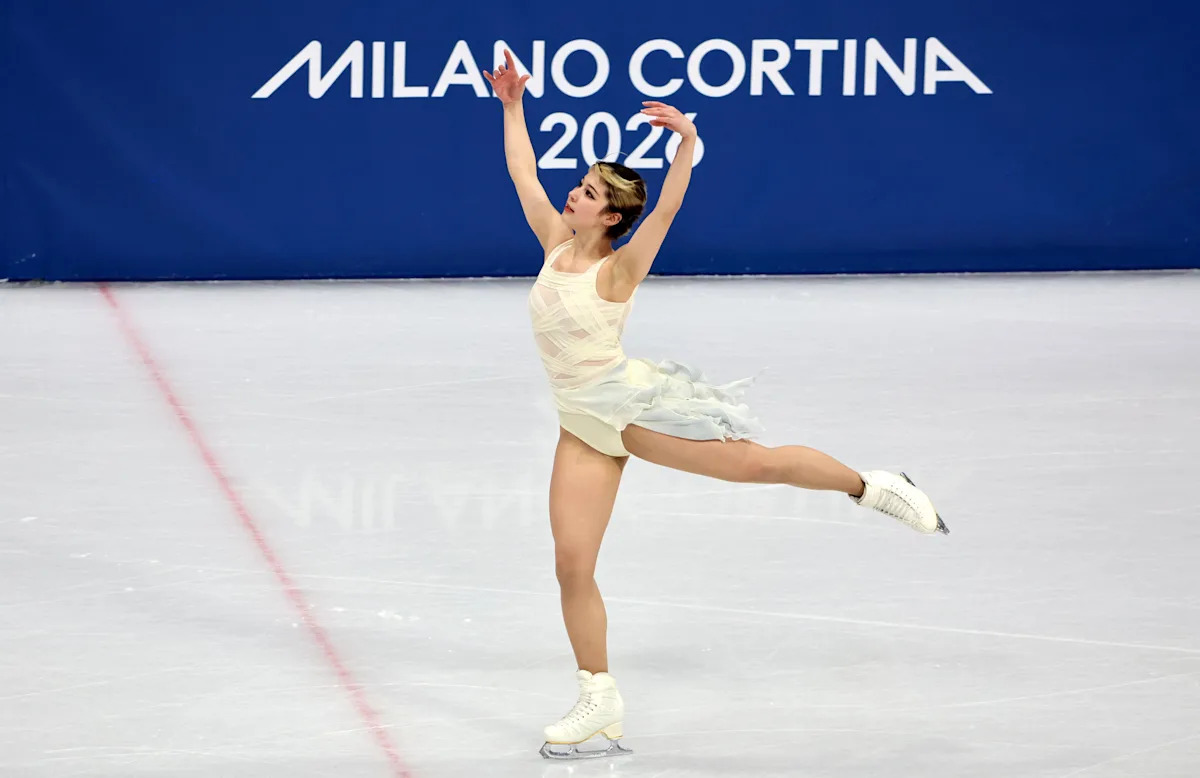
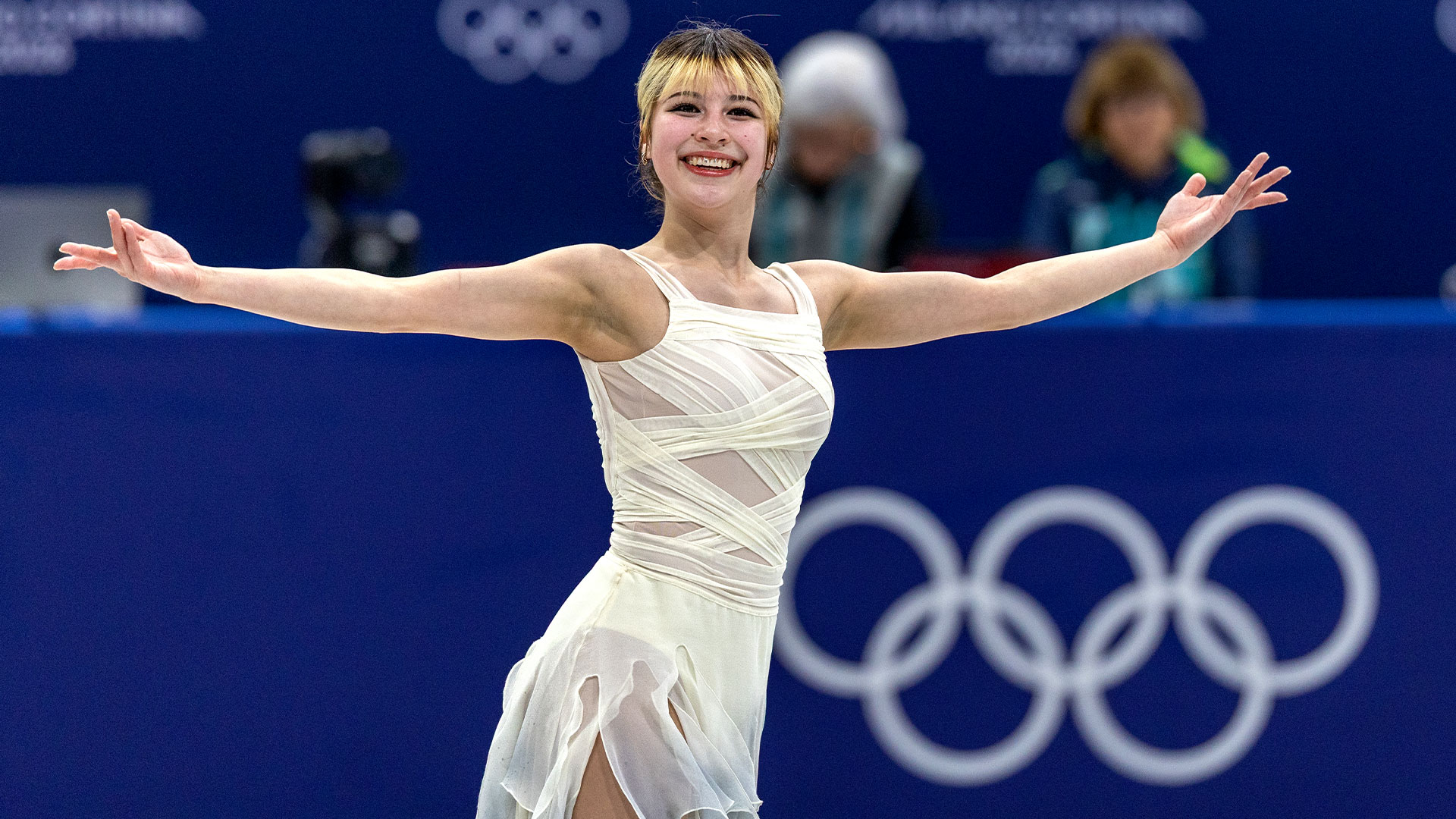
The conclusion of the Women’s Singles Short Program at the Milan Cortina Winter Olympics established a high-stakes competitive structure for the final Free Skate segment scheduled for Thursday, February 19th. Japan has secured the top two placements, creating a high barrier for medal contenders. Breakout performer Ami Nakai currently leads the field, closely followed by three-time World Champion Kaori Sakamoto. The narrow margins between the top positions underscore the high-leverage nature of the upcoming long program.
Technical Benchmarks and Competitive Gaps
Nakai’s lead was engineered through superior technical element valuation, highlighted by a successful execution of the high-Base Value (BV) Triple Axel alongside a complex combination jump. This execution demonstrated a calculated risk strategy that maximized immediate scoring dividends under the ISU judging framework. Sakamoto, positioned second, maintains consistency, leveraging her experience and high component scores, particularly significant in what is reportedly her final competitive season, adding emotional resonance to her performance calculus.
US Medal Contention: Liu’s Strategic Foothold
Team USA’s primary medal hope, Alysa Liu, is strategically positioned in third place. This placement places her within actionable striking distance of the leading Japanese pair, mandating near-flawless execution in the Free Skate to negate the short program deficit. The depth of the U.S. contingent, including Amber Glenn and Isabeau Levito, focuses on maximizing cumulative team results, though Liu carries the immediate individual medal objective. The collective U.S. effort is branded operationally as the “Blade Angels,” emphasizing coordinated preparation.
The Volatility Quotient: Free Skate Dynamics
The transition to the Free Skate introduces maximum performance volatility. This segment, characterized by extended duration and increased element count, is the ultimate determinant of the final ranking. Narrow deficits accumulated in the short program can be rapidly overturned by superior stamina, high-BV element execution, or cumulative errors. Sakamoto’s veteran status must be weighed against the psychological burden of a final competitive program, while Nakai’s relative inexperience over multiple high-pressure days introduces a stability variable.
Ecosystem Implications and Trajectory Setting
The competitive hierarchy established here directly influences the global figure skating ecosystem. Nakai’s technical mastery, particularly the Triple Axel integration at a young age, signals a generational shift in required technical standards, placing pressure on competing national federations. Sakamoto’s retirement necessitates a strategic transition plan for the Japanese federation to maintain competitive representation continuity. For the US program, Liu securing a medal validates current national training methodologies and justifies future capital investment in high-performance athlete pipelines.
Broadcast Strategy and Commercial Incentives
The scheduling of the final on Thursday at 1 p.m. ET across NBC/Peacock reflects rights holders’ strategic prioritization to capture peak viewership. The tight competition maximizes live audience engagement, which directly impacts advertising inventory pricing for the remainder of the Winter Games coverage. The results will immediately inform strategic planning for the next World Championships, as the Olympic hierarchy dictates initial seeding and competitive focus for the subsequent season.