The federal securities fraud trial of Andrew Left, founder of Citron Research, has commenced in Los Angeles, representing a watershed moment for the regulation of activist short-selling. At the core of the Department of Justice’s case is the allegation that Left converted his media influence into a mechanism for market manipulation, purportedly generating $20 million in illicit gains by deceiving retail participants. This litigation explores the friction between protected financial commentary and the strategic distortion of market price discovery.
The Asymmetry of Information and Sentiment-Driven Volatility
Prosecutors contend that Left’s public reports functioned not as analytical contributions, but as tactical catalysts for liquidity events. By leveraging established financial news networks, Left could induce rapid capital outflows from target equities, benefiting his pre-established short positions. This operational model highlights a systemic vulnerability: the dissemination speed of influential rhetoric often outpaces the market’s capacity for fundamental verification, particularly in low-liquidity environments.
Testimony from individual investors, such as a car salesman who cited “fear” as a primary trading driver after reading Citron reports, underscores the psychological mechanics of the ‘short-and-distort’ allegation. In speculative sectors, targeted rhetoric can trigger automated stop-loss cascades, effectively manufacturing sell-side pressure. The defense, however, frames these reports as “honestly held opinions,” seeking shelter under the First Amendment and existing financial analysis safe harbors. The verdict will likely establish new precedents for the liability of independent researchers regarding the subsequent actions of their audience.
Retail Capital Vulnerability: The CV Sciences Case Study
The testimony of Billy Banks, a retired firefighter, provides a granular look at the consequences of retail capital migration from diversified vehicles to high-risk speculative positions. Banks reallocated $110,000 into CV Sciences (CVSI) following aggressive investment shifts, ultimately losing his retirement savings. This highlight of the CVSI ticker illustrates the specific vulnerability of small-cap cannabis and tech firms to the “Citron effect,” where negative sentiment can evaporate significant market capitalization within a single session.
The prosecution argues that Left’s target selection was predatory, focusing on entities with thin liquidity where the impact of his commentary would be maximized. This strategy suggests an advanced understanding of market microstructure, using the perceived authority of a media personality to exploit information asymmetries. The trial examines whether this “celebrity analyst” model necessitates a heightened duty of care to prevent the misleading of the investing public.
Social Capital as a Market Force Multiplier
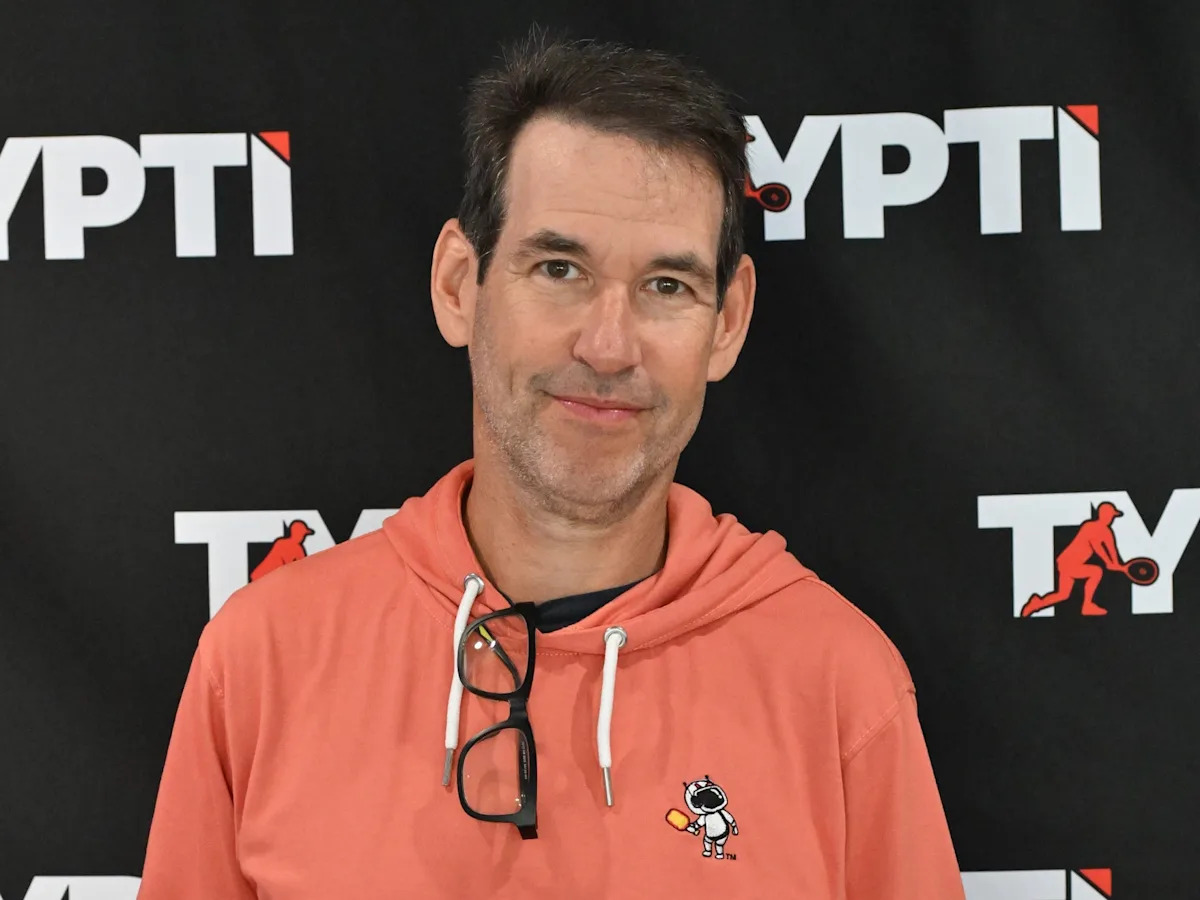
The presence of high-profile supporters like Doug Ellin, creator of “Entourage,” emphasizes the cultural capital Left integrated into his professional brand. This intersection of finance and entertainment serves as a force multiplier, extending the reach of financial commentary beyond traditional institutional channels directly to a global retail audience. This direct-to-consumer model of financial research is now under judicial scrutiny to determine if it constitutes a deceptive practice when paired with conflicting trading activity.
Furthermore, Left’s frequent appearances on major financial television networks provided a veneer of institutional legitimacy. The trial probes whether these platforms were used to bypass traditional research distribution gatekeepers, creating an environment where a single voice could dictate market movement without the rigors of institutional compliance. The outcome will signal the future regulatory trajectory for financial influencers and the degree of disclosure required for those who publish market-moving opinions.
Systemic Implications for Regulatory Oversight
An acquittal would likely reinforce the legal protections for activist short-sellers, viewing market volatility as a natural byproduct of free speech. Conversely, a conviction would signal a more aggressive stance by the SEC and DOJ against non-traditional financial actors, potentially leading to mandatory disclosure of trade intent alongside research publication. As digital platforms continue to democratize market access, this case serves as a vital test for applying legacy securities laws to the modern, media-saturated financial ecosystem.