Severe Winter Storm Triggers Widespread Operational Disruptions Across Minnesota
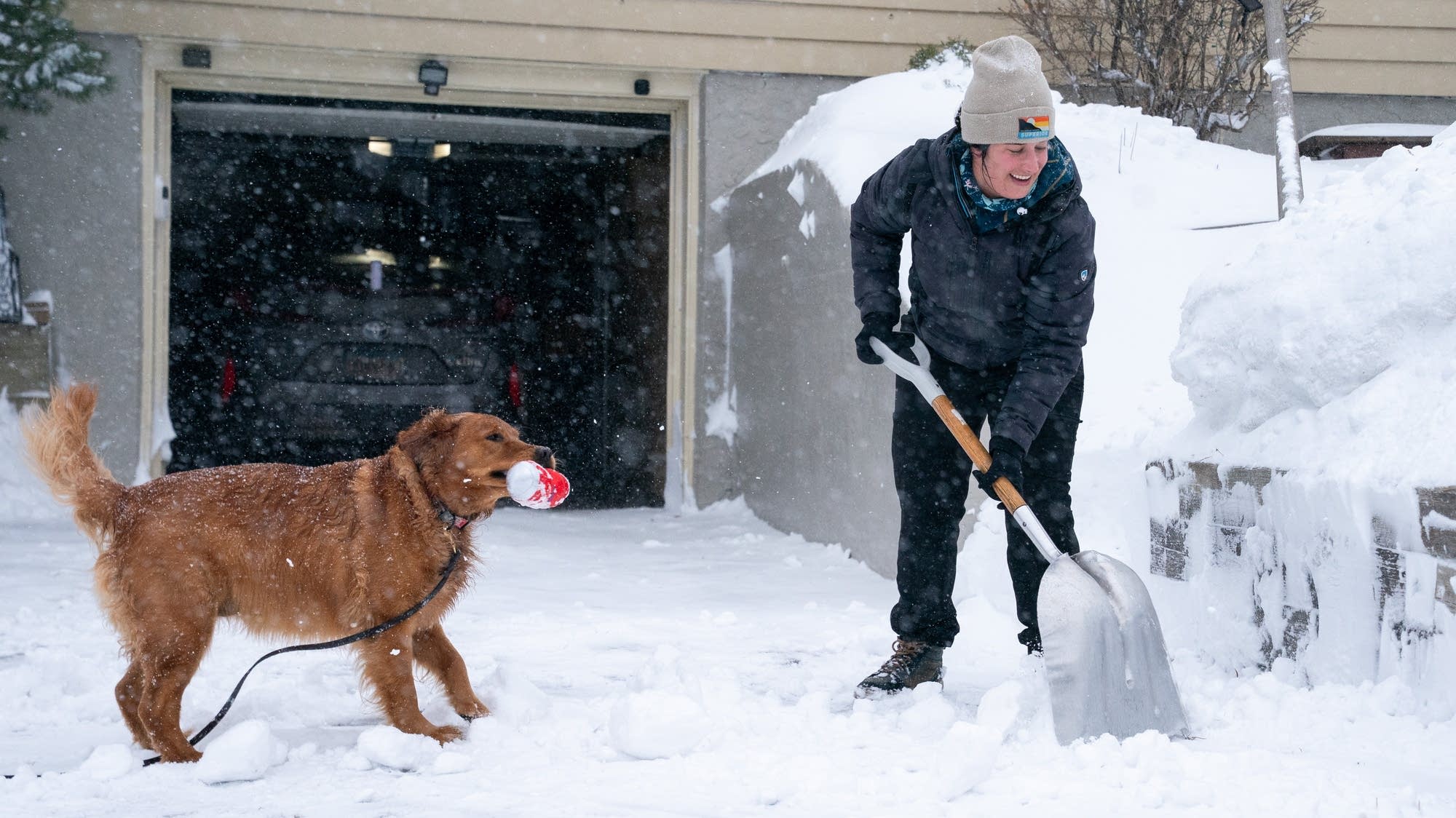
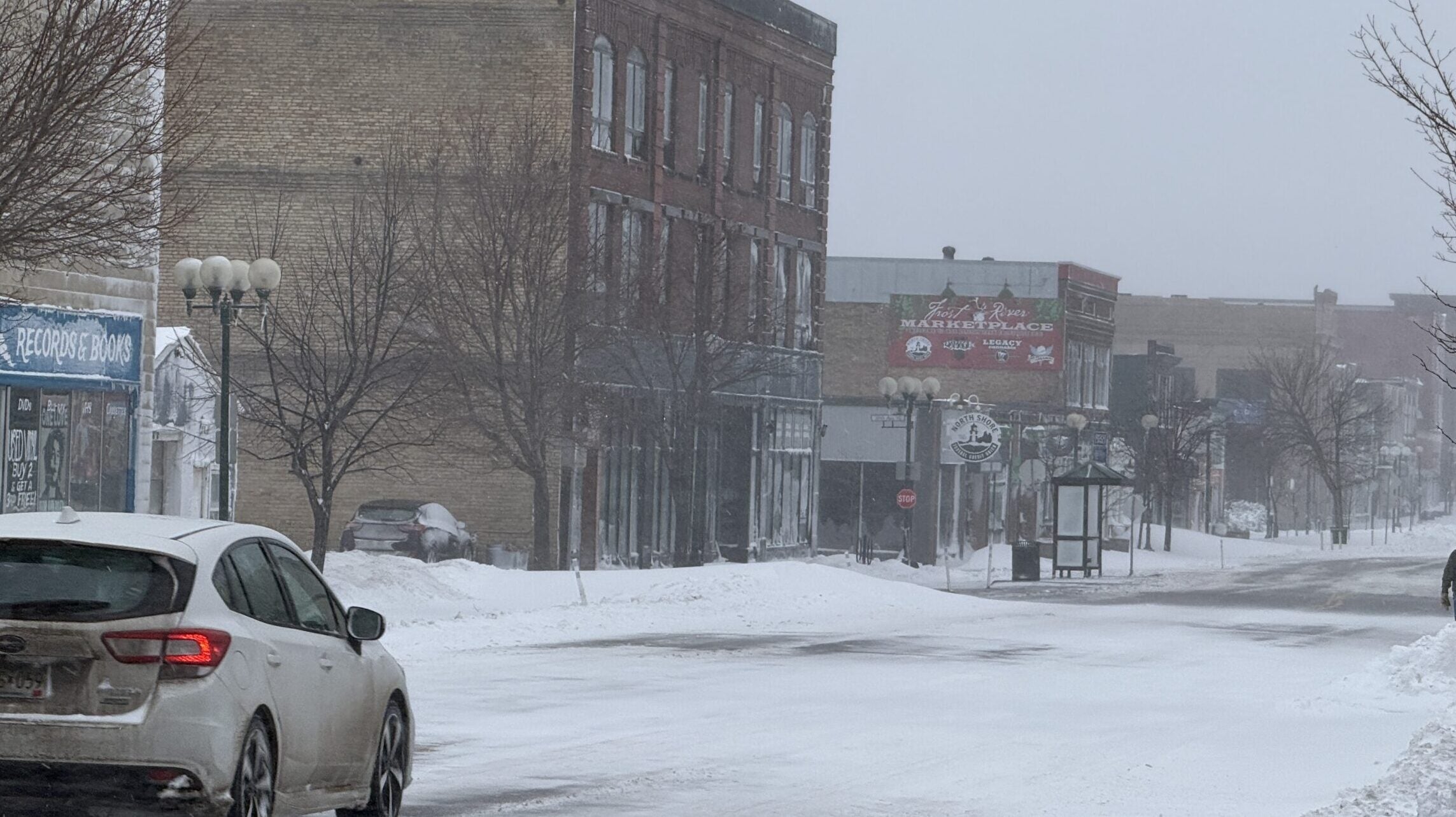
A potent winter storm has significantly impacted Minnesota, characterized by intense winds, heavy snowfall, and pervasive blowing snow, creating hazardous conditions across multiple counties. Reports to the National Weather Service confirm wind gusts reaching a record-breaking 55 miles per hour in Duluth and 51 miles per hour near Superior and Hibbing. This meteorological severity underscores not merely a weather event, but a critical test of regional infrastructure and operational resilience.
The storm’s intensity necessitated immediate and critical operational responses, most notably the widespread closure of roads by the Minnesota Department of Transportation (MnDOT). These closures are a direct, proactive measure to mitigate severe risks associated with hazardous driving conditions, including severely reduced visibility and rapid snow accumulation, thereby prioritizing public safety over routine transit convenience and safeguarding the integrity of the state’s transportation network from cascading failures.
Operational Strain and Infrastructure Vulnerability
MnDOT’s decision to close multiple roads reflects a strategic imperative to manage immediate risks, recognizing the severe implications for emergency services and critical supply chain logistics. Such extensive closures inevitably disrupt vital pathways, impeding the movement of essential goods, emergency personnel, and daily commuter traffic, exacerbating operational complexities across affected regions.
The sustained presence of strong winds, coupled with ongoing snowfall, creates a challenging dynamic for maintenance crews. Blowing snow rapidly re-covers cleared routes, leading to continuous resource deployment and prolonged timelines for restoring full transportation functionality. This phenomenon not only escalates operational costs but also extends the period of public inconvenience and economic friction.
Visibility issues, specifically attributed to blizzard-like conditions from blowing snow, render vehicular movement perilous. This directly impacts the efficacy of emergency response, delaying access to critical incidents, and complicates real-time assessment of infrastructure damage, particularly in remote areas. The documented wind gusts, notably the record intensity in Duluth, signify significant strain on broader regional infrastructure beyond surface transportation. Power lines, communication networks, and other exposed utilities face elevated risks of damage, potentially leading to more extensive and prolonged service interruptions that amplify the storm’s impact beyond immediate travel constraints.
Furthermore, the 55 MPH wind gust recorded at the Duluth Harbor buoy station provides critical data for assessing navigational safety and port activity. Such conditions typically enforce significant operational adjustments, including potential restrictions on vessel movements and cargo handling, which can impact regional trade flows and intermodal logistics, thereby exposing vulnerabilities within the regional economy’s supply chain dependencies.
Economic Implications and Regional Vulnerability Assessment
The widespread road closures and hazardous travel conditions impose immediate and escalating economic costs on businesses and residents across affected Minnesota counties. Supply chains, particularly those heavily reliant on ground transportation, face severe disruptions, leading to delayed deliveries, compromised inventory management, and substantial revenue losses for retailers, manufacturers, and service providers.
Commuters unable to reach workplaces or experiencing significantly extended travel times suffer reduced productivity, contributing to a measurable drag on regional economic activity. For critical sectors like tourism and hospitality, especially in areas such as the North Shore and Cook County, severe weather events directly deter visitors, resulting in immediate financial losses and potentially impacting future booking confidence.
The sustained nature of the storm, with snow expected to continue, indicates a prolonged period of economic friction. This extended disruption necessitates costly contingency planning for businesses, including potential additional operational expenses related to overtime, alternative logistics, and temporary closures, straining balance sheets particularly for small and medium-sized enterprises (SMEs).
Regions like Cook County, which reported significant snowfall totals up to 14.0 inches in Hovland and 13.0 inches near Sawbill Lake and Finland, face unique challenges. Their geographic characteristics often entail longer supply lines and fewer immediate resources, rendering remote communities particularly vulnerable to isolation, delayed access to essential services, and supply shortages.
The financial implications extend to public sector entities, as state and local governments incur substantial unbudgeted expenditures for emergency response, snow removal, and potential infrastructure repairs. These costs can strain municipal finances, potentially diverting resources from other essential public services. Moreover, insurance markets anticipate increased claims related to property damage, business interruption, and vehicular accidents, influencing future premium structures and regional risk assessments, highlighting the broader economic externalities of such extreme weather events.
Institutional Response and Adaptive Frameworks
The National Weather Service plays a pivotal role, providing foundational meteorological data that informs state and local emergency responses. Their detailed storm reports, including specific wind gusts and snowfall accumulations, enable agencies like MnDOT to make data-driven decisions regarding road closures, public advisories, and resource allocation, forming the bedrock of a robust crisis management framework.
Effective coordination between various governmental bodies, including MnDOT, local law enforcement, and emergency management agencies, is critical. Pre-established protocols and robust communication channels are essential for the timely dissemination of authoritative information and the efficient deployment of resources across diverse geographic areas, mitigating fragmented responses.
The advance discussion by weather teams highlights the importance of sophisticated meteorological forecasting in enabling proactive preparedness. Early warnings empower residents and businesses to undertake necessary arrangements, while public agencies can strategically pre-position equipment and personnel, thereby optimizing response efficiency and minimizing potential damages.
The ongoing nature of the storm, with expectations for continued strong winds and snow, rigorously tests the sustained capacity of institutional response mechanisms. This includes the endurance and safety of emergency personnel, the availability and operational limits of equipment, and the resilience of communication systems over an extended period of hazardous conditions, providing critical feedback for future preparedness strategies.
For a state like Minnesota, which regularly experiences severe winter weather, these events serve as invaluable stress tests of existing emergency preparedness plans and infrastructure resilience strategies. They provide actionable insights for refining operational procedures, investing in more robust, climate-adaptive infrastructure, and enhancing overall governmental capacity to withstand extreme conditions.
Public reliance on official advisories, such as checking road conditions before traveling, underscores the importance of clear, consistent, and authoritative communication from state agencies. This public engagement is a crucial component of a comprehensive disaster response framework, fostering informed decision-making and helping to minimize individual and collective risks.
Stakeholder Exposure and Community Resilience Dynamics
The immediate exposure to the storm’s effects is broadly distributed across residents, businesses, and public service providers, revealing distinct vulnerabilities. Residents face direct risks to personal safety, potential property damage, and severe disruptions to daily routines, including school closures and limited access to essential services, impacting overall quality of life and well-being.
Businesses, particularly small and medium-sized enterprises (SMEs), are exposed to severe operational interruptions, revenue losses, and increased costs associated with maintaining services or recovering from storm impacts. Their capacity for rapid resumption of normal operations serves as a key indicator of broader regional economic resilience and stability.
Emergency services, including police, fire, and medical personnel, face heightened operational demands and increased risks while responding to incidents in challenging, low-visibility conditions. Their ability to reach affected individuals and provide timely assistance is directly constrained by road conditions, impacting critical life-saving outcomes.
The collective response to such a storm highlights the intrinsic value of community resilience, encompassing both the physical infrastructure and the social networks that facilitate recovery. Neighbors assisting neighbors, and local organizations supporting vulnerable populations, become vital complements to formal institutional responses, embodying crucial social capital.
The geographic distribution of the most severe snowfall reports, concentrated in Cook and Lake Counties, indicates localized impacts requiring tailored community-level responses. These often more rural areas may have fewer immediate resources and longer response times, accentuating the need for local self-sufficiency, coordinated mutual aid, and equitable resource allocation. Ultimately, the documented facts underscore the continuous interplay between natural phenomena, human infrastructure, and institutional adaptive capacity. Each severe weather event provides a critical feedback loop for refining strategies aimed at protecting lives, preserving economic stability, and enhancing overall regional resilience against future climatic challenges and a changing climate landscape.