
The collegiate football landscape has shifted into a phase of high-stakes recalibration. Week 3 challenged established hierarchies and exposed structural vulnerabilities within premier SEC programs. As the AP Top 25 voters finalize Week 4 rankings, the analytical focus moves beyond win-loss records to evaluate performance leverage and the strategic cost of early-season setbacks.
The Disruptive Ascent of Ole Miss
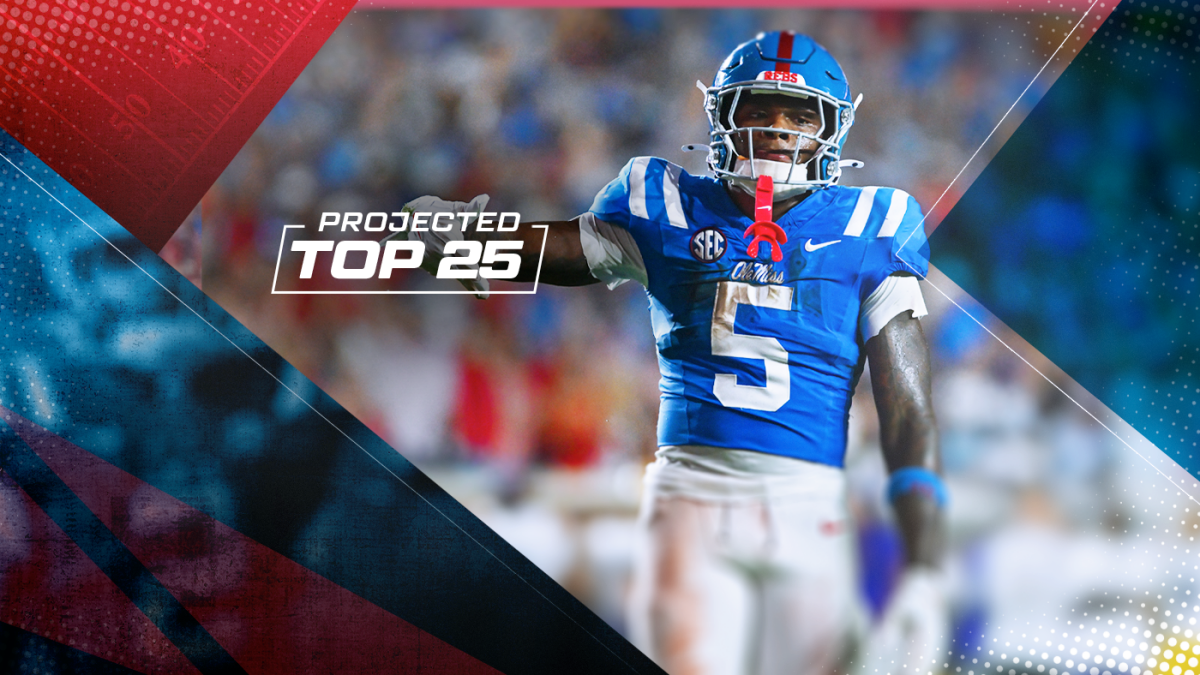
Ole Miss has effectively shattered the top-tier status quo. Their victory in Oxford serves as a definitive proof of concept, positioning the Rebels to challenge the top-five residency previously reserved for programs like Texas and Ohio State. This is not merely a statistical addition to the win column; it is a resume-defining statement that forces a reassessment of voter psychology and playoff equity distribution.
By matching elite programs in resume quality, Ole Miss has introduced a new variable into the playoff calculus. The sustainability of this momentum will determine the degree of volatility at the poll’s apex, potentially displacing traditional powerhouses that have relied on preseason reputation rather than early-season dominance.
LSU and the Erosion of Postseason Leverage
LSU’s 32-24 defeat marks a critical inflection point. Despite a resilient 17-point surge to equalize the game, the Tigers’ inability to secure the win leaves them with a dangerously thin margin for error. In the context of the College Football Playoff selection committee’s December deliberations, this loss represents a significant devaluation of their competitive stock.
Operational gaps in late-game execution suggest a systemic issue that fundamentally alters LSU’s strategic roadmap. With the remaining schedule offering no respite, every subsequent matchup becomes an elimination game, placing immense pressure on the coaching staff to stabilize a program competing for limited at-large bids.
Texas A&M: Physicality Deficits and Market Devaluation
Texas A&M’s 31-21 loss to Kentucky serves as a stark warning regarding the fragility of high-valuation programs. Entering as 17-point favorites, the Aggies’ failure to counter Kentucky’s physical dominance highlights a roster construction deficit. Mike Elko’s postgame acknowledgment of this physical disparity signals a need for immediate tactical evolution.
The downstream effects are immediate: a tumble in the rankings and a loss of institutional confidence. As they prepare for a high-stakes visit to Death Valley, the Aggies must address the fundamental weaknesses exposed by the Wildcats or risk a total collapse of their postseason aspirations.
SEC Cannibalization and Voter Mechanics
The internal dynamics of the SEC continue to drive ranking volatility. High-ranked head-to-head matchups inevitably result in ‘playoff exposure,’ where even heavy favorites are susceptible to the conference’s depth. This cannibalization effect creates a complex environment for voters who must weigh the rigors of an SEC schedule against the unblemished records of programs in less competitive tiers.
As the calendar turns to October, the frequency of these high-stakes matchups will increase. For programs like LSU and Texas A&M, the goal is now survival through tactical adaptation. The winners of the coming weeks will gain the leverage required to navigate the mathematical realities of the expanded playoff era, while the losers will face the administrative and recruiting fallout of a failed campaign.