The Institutional Evolution of Linguistic Authority
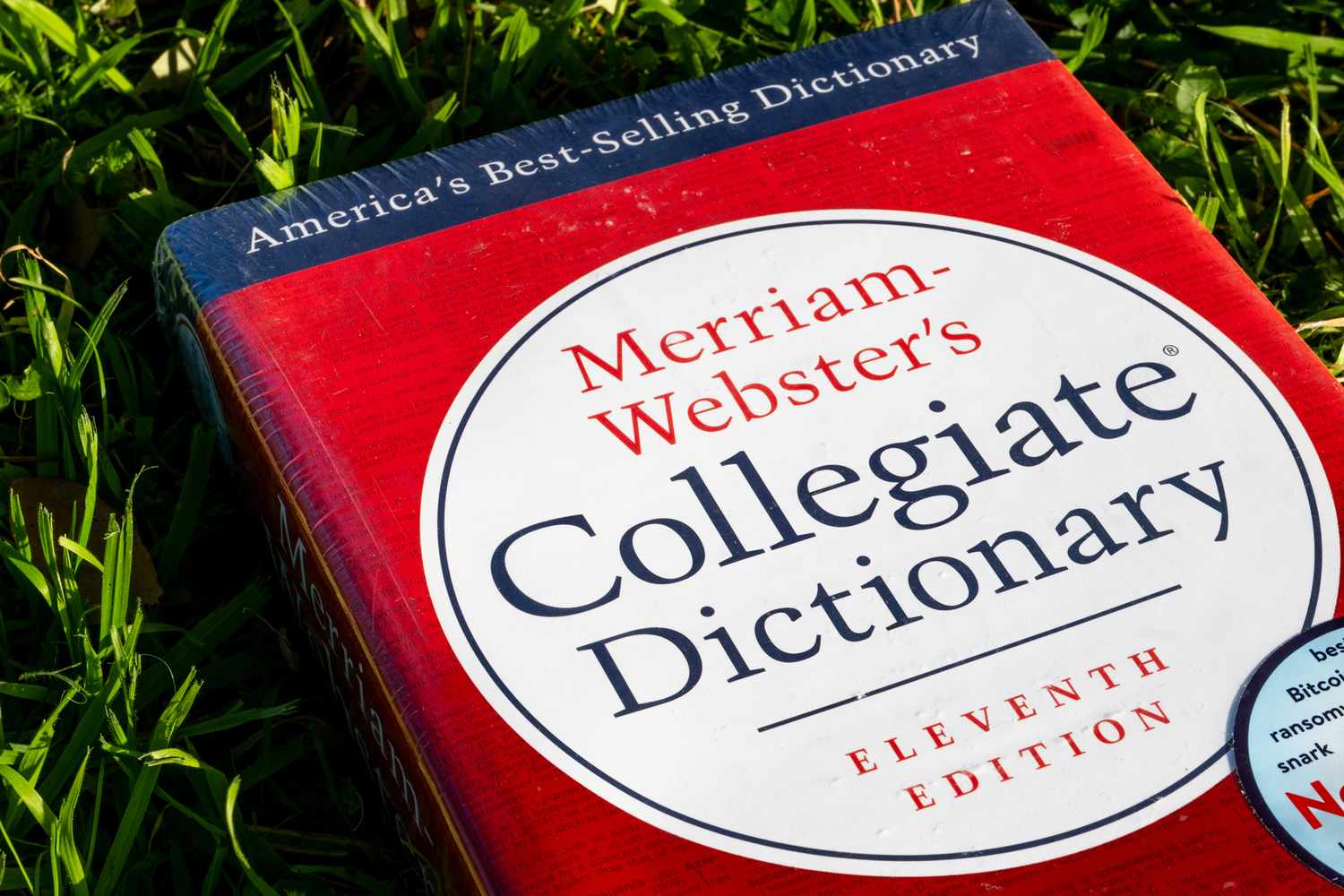
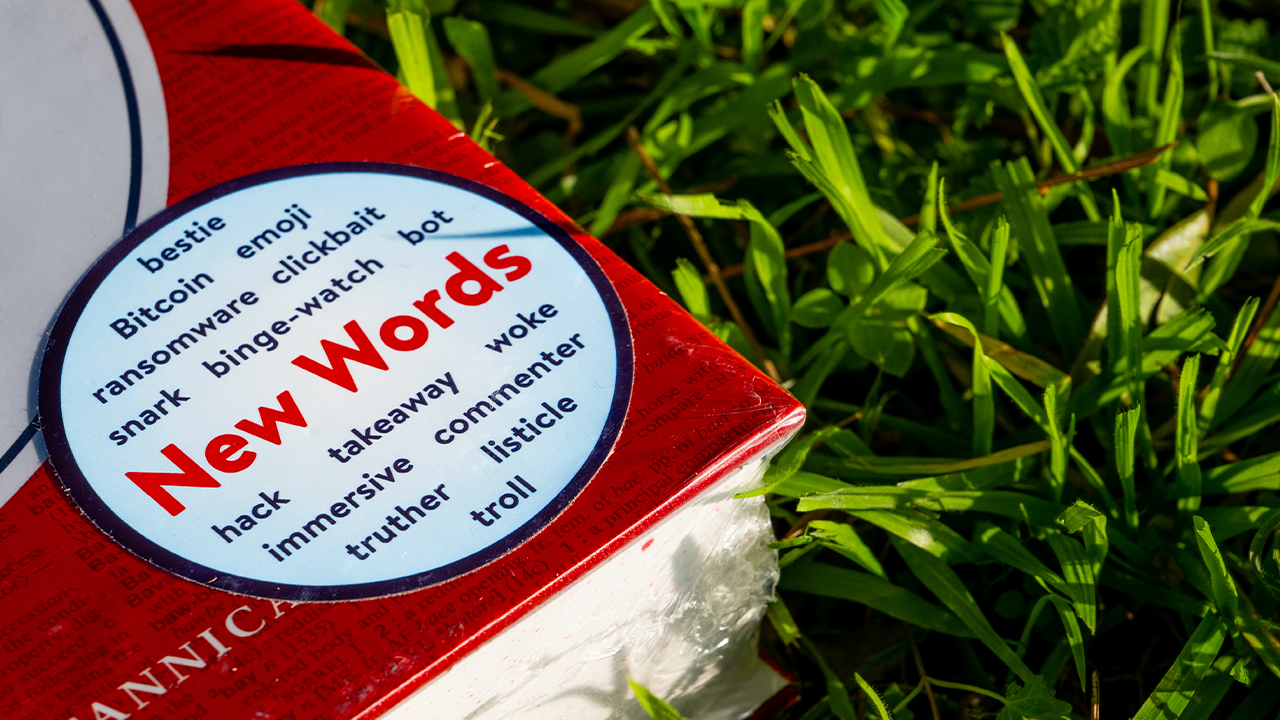
Merriam-Webster has formally integrated 1,400 new words and definitions into its catalog, reflecting a calculated response to the rapid acceleration of digital-first vocabulary and its transition into mainstream professional and social discourse.
The inclusion of terms such as looksmaxxing and vibe coding suggests a shift in how institutional authorities validate internet-driven subcultures, providing a framework for understanding the economic and social incentives driving modern communication.
Editors base these entries on sustained, widespread use across diverse industries and geographic regions, ensuring the dictionary remains a relevant tool for navigating contemporary global markets and interpersonal dynamics.
The Economic Implications of the Digital Lexicon
The addition of meme coin to the official lexicon highlights the institutional recognition of speculative digital assets as a permanent financial fixture, acknowledging a market where cultural sentiment dictates valuation.
Similarly, looksmaxxing reflects the commercialization of self-improvement and aesthetic optimization. This formalization provides a sociolinguistic anchor for analyzing the growth of the wellness and cosmetic sectors influenced by social media algorithms.
These linguistic updates serve as lagging indicators of consolidated capital and consumer attention, offering stakeholders in marketing and finance a standardized vocabulary for emerging demographics.
Social Media as a Primary Engine of Language
The update underscores social media as a dominant laboratory for linguistic innovation. Terms like parasocial and Rickroll demonstrate how digital interactions alter the structure of celebrity, influence, and community engagement.
Parasocial relationships represent a critical study area for media organizations managing audience loyalty in an era of decentralized content creation.
The blurred barrier between digital slang and formal language forces traditional institutions to recalibrate standards for professional communication in a globalized environment.
Technological and Cultural Convergence
Vibe coding and the Mandela Effect represent the intersection of technology, psychology, and collective memory, providing vocabulary for phenomena previously difficult to articulate within legacy frameworks.
Vibe coding points to a strategic shift in designing products and environments to elicit specific emotional responses through subtle digital or aesthetic cues, driving consumer retention.
The Mandela Effect addresses systemic collective misinformation and the psychological impact of digital archives, offering a tool for navigating truth and perception in a hyper-connected ecosystem.
Culinary and Lifestyle Globalization
The expansion reaches into the culinary sector with terms like bao and chilli crisp, reflecting the globalization of consumer tastes and international supply chains.
Cuffing season highlights the cyclical nature of consumer behavior in dating technology, allowing for precise analysis of trends driving social platform engagement and retail spending.
Informal terms like trash panda and glow-up signal a descriptive rather than prescriptive approach to lexicography, ensuring the dictionary functions as a living document.
Strategic Consequences for Communication
For organizations and professionals, this update signals a need to adapt communication strategies to current linguistic realities to maintain relevance with growth-driving demographics.
The formalization of promposal and other social milestones reflects changing rituals and the role of digital documentation, offering insight into younger consumer expectations.
Ultimately, adding 1,400 words is an exercise in institutional agility, ensuring the dictionary maintains its competitive position as the definitive record of the English language.
Operational Rigor in Word Selection
The inclusion process requires operational rigor to distinguish between fleeting trends and sustained shifts, evaluating frequency and breadth across multiple media types and sectors.
This vetting process protects the dictionary’s reputation while allowing it to evolve alongside culture, balancing historical continuity with digital demands.
Including internet-born terms like Rickroll shows an awareness of the web’s cultural heritage, ensuring the resource serves current users and future historians.
Institutional Relevance in a Decentralized Era
As information decentralizes, central linguistic authorities become critical for maintaining a shared understanding of reality, providing common ground for diverse stakeholders.
Defining terms like meme coin and parasocial establishes standardized frameworks for legal, financial, and academic contexts, essential for efficient market functioning.
Through this continuous expansion, Merriam-Webster reaffirms its commitment to documenting language as actually used, providing an authoritative window into the present.