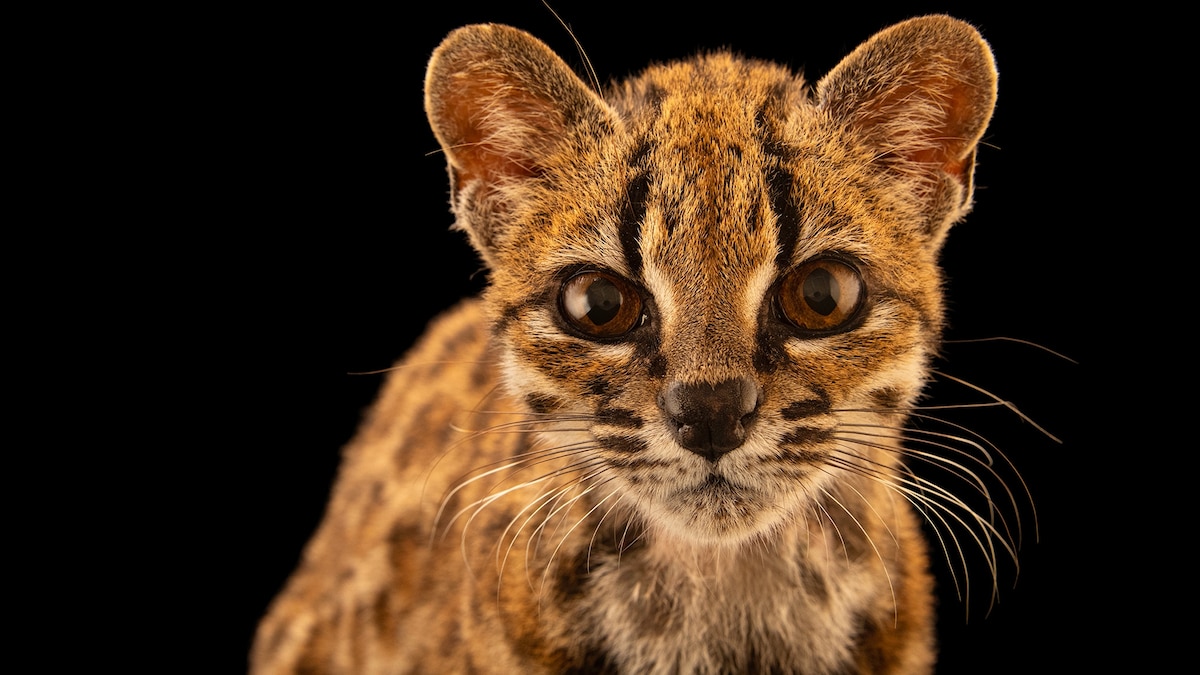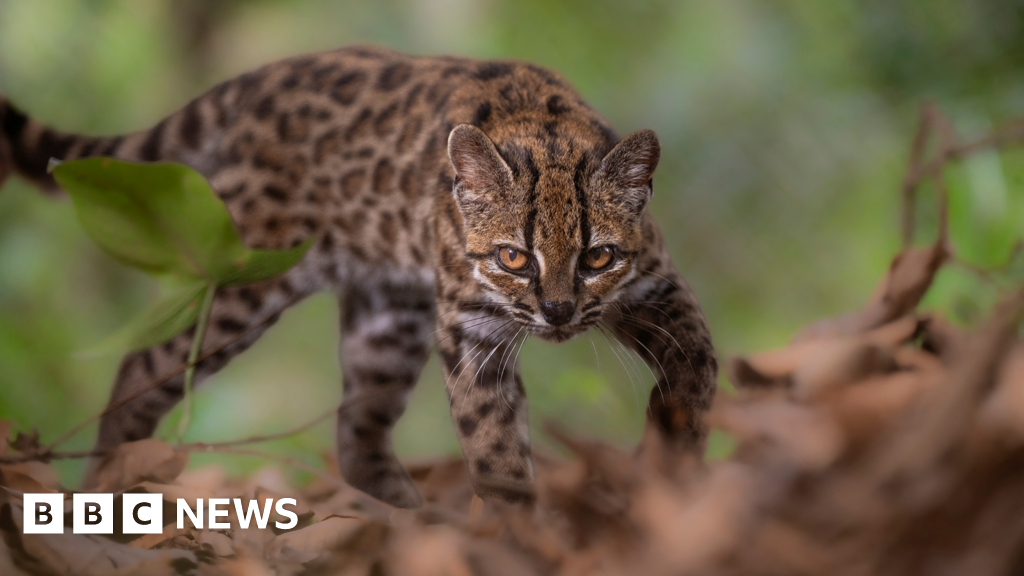
The formal classification of Leopardus tilcayo, a new wild cat species inhabiting Bolivia’s Yungas region, marks a significant achievement in modern mammalogy, being the first such discovery in over a century. Published in Current Biology, the research confirms a distinct evolutionary lineage that diverged approximately 1.4 million years ago, necessitating a revision of the global feline family tree.
The identification process began in 2017 when an unusual kitten, found near a forest road, was brought to a local wildlife sanctuary. Biologist Paola Nogales-Ascarrunz of the Bolivian Felids Research Program noted its unique morphology: a small, scrunched face, short round ears, long whiskers, and distinctive spotted patterns. These traits differentiated it from known domestic cat breeds.
Definitive classification was achieved through subsequent genetic testing on two rehabilitated individuals. These DNA studies resolved long-standing taxonomic confusion arising from the subtle physical similarities among various small, spotted wild cats across Central and South America. The local communities’ traditional name, ’tilcayo,’ for this animal underscores the vital role of indigenous ecological knowledge in recognizing biodiversity.
Conservation Imperatives and Systemic Shifts
The official recognition of Leopardus tilcayo has direct implications for conservation strategies and funding in South and Central America. Small, elusive felids often receive less attention and resources compared to charismatic megafauna. This new species designation provides a critical institutional lever to advocate for biodiversity protection in rapidly changing subtropical ecosystems like the Bolivian Yungas.
Mammals in transitional zones, particularly those facing habitat fragmentation and agricultural encroachment, are highly vulnerable. The morphological overlap with more common felids has historically obscured their conservation status due to data deficiencies. The integration of genetic analysis into fieldwork is operationally essential for uncovering and assessing hidden biodiversity before localized populations face irreversible decline.
Institutions such as the Universidad Mayor de San Andres in La Paz are crucial in connecting local observations with formal phylogenetic analysis. Grassroots wildlife rescues serve as vital interception points for scientific discovery, demonstrating the synergy between community efforts and academic research. Without such coordinated actions, distinct evolutionary lineages risk disappearing unrecorded.
Methodological Advancements in Taxonomy
The discovery of Leopardus tilcayo highlights the limitations of traditional morphology-based taxonomy when dealing with cryptic species complexes. Distinguishing between similar-looking tiger cats based solely on visual cues like spots and size is challenging for field experts. Rigorous DNA analysis establishes an empirical foundation, stabilizing classification systems and preventing misassignments that could skew macroecological studies.
Investment in genetic sequencing infrastructure is paramount for modern zoological discoveries. While conservation funding often prioritizes high-profile initiatives, foundational taxonomy relies on sustained institutional support for field researchers and regional laboratories. This finding reveals persistent gaps in our understanding of mammalian diversity, even within well-studied groups.
Conservation organizations and funding bodies must recalibrate assessment metrics to acknowledge cryptic species discoveries as key indicators of ecosystem health. As human activities intensify habitat compression, documenting baseline biodiversity is an urgent administrative priority for environmental governance. The case of the tilcayo tiger cat exemplifies how targeted genetic investigation can fundamentally redefine our comprehension of global mammalian lineages.