The DCU’s Tonal Mandate: ‘Lanterns’ as a Strategic Litmus Test
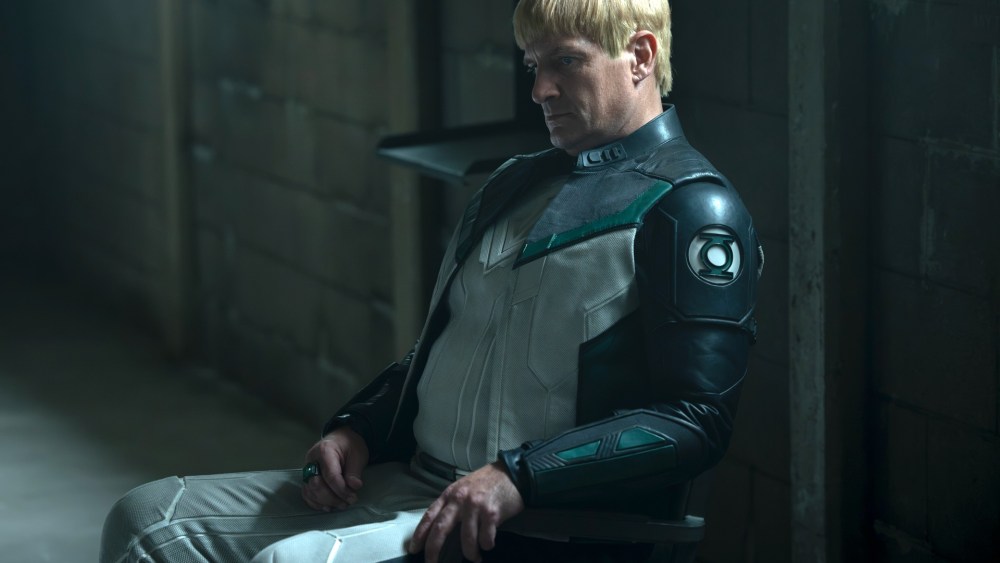
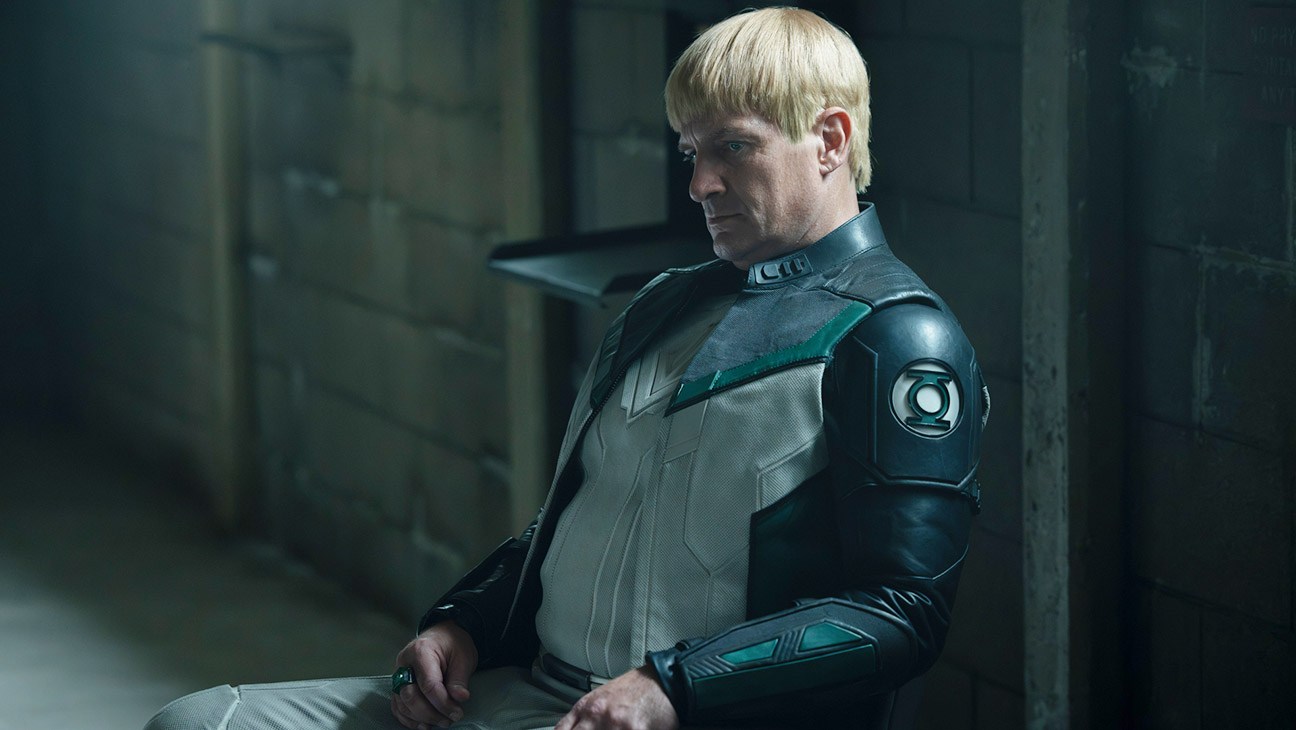
Under the stewardship of James Gunn, DC Studios has explicitly eschewed a singular “house style” for the nascent DC Universe (DCU), advocating for a strategic embrace of tonal pluralism across its properties. This architectural principle aims to foster creative distinctiveness and broaden appeal, allowing individual narratives to adopt varied tones reflective of their comic book origins. The ‘Lanterns’ series emerges as a critical, real-time case study for this mandate, particularly in its audacious integration of characters with disparate tonal profiles into a narrative described as an “earthy riff on True Detective, Training Day and Banshee.” The interplay between the series’ grounded, darker aesthetic and the anticipated comedic persona of Guy Gardner presents both significant strategic opportunities and complex execution challenges for franchise cohesion.
I. Strategic Character Management and Narrative Continuity
The intricate character dynamics within ‘Lanterns’, especially evident in Episode 6, reveal a calculated approach to intellectual property management and audience engagement. Hal Jordan’s apparent demise, immediately mitigated by the introduction of his backup consciousness, serves a critical operational function: it sustains the emotional weight and narrative history of a foundational character, preserving audience investment while simultaneously advancing the central murder mystery. This mechanism maximizes character equity, ensuring continuity and actor involvement despite significant plot points. Concurrently, the transition of the Green Lantern mantle from John Stewart to the formal introduction of Guy Gardner signifies a strategic recalibration of the ensemble. This classic comic book trope is deployed here to inject new character archetypes and dynamics, refreshing the series’ core, and opening novel narrative avenues crucial for long-term serialized storytelling.
II. Navigating Tonal Dissonance: Guy Gardner’s Integration
The strategic intent behind Guy Gardner’s prominence, particularly his comedic disposition, directly challenges the established solemn tone of ‘Lanterns’. This character integration is not merely a plot device but a direct application of DC Studios’ tonal diversity policy, yet it introduces a potential for acute tonal dissonance. The “considerable gap” between Gardner’s lighter persona and the more austere portrayals of Hal Jordan and John Stewart highlights the “tonal tightrope” showrunners and creative teams must navigate. Successful execution requires meticulous narrative construction to ensure these divergent characterizations contribute synergistically to the overall story, rather than fragmenting the audience experience. This specific integration serves as a definitive litmus test for the viability of the DCU’s multi-tonal philosophy when applied to a single property.
III. Franchise Cohesion and Architectural Principles
The DCU’s architectural principle, permitting diverse tones, implies a decentralized creative strategy that empowers individual showrunners. This approach aims to foster greater artistic innovation than more rigidly controlled shared universes. However, this autonomy necessitates robust strategic oversight to prevent individual tonal choices from fragmenting the overarching brand identity. The challenge lies in cultivating a cohesive universe identity despite stylistic variations, a critical factor for long-term franchise sustainability. Nathan Fillion’s description of Guy Gardner as a “very public part” and “thread in the backdrop” of the DCU’s birth underscores this deliberate effort to weave disparate elements into a unified, albeit tonally varied, tapestry. This strategic choice reflects a calculated belief that distinct, strong individual stories will collectively define the DCU’s brand, rather than a imposed singular aesthetic.
IV. Market Dynamics, Differentiation, and Audience Engagement
In a hyper-competitive streaming market saturated with superhero content, the DCU’s explicit embrace of tonal diversity offers a key differentiator. By positioning ‘Lanterns’ with a mature, grounded tone reminiscent of acclaimed crime dramas, HBO Max aims to attract discerning viewers and critical acclaim, moving beyond conventional superhero tropes. This differentiation strategy, while attracting specific audience segments, necessitates careful management of audience expectations, particularly when integrating characters from traditionally lighter contexts. Fillion’s experience requiring HBO’s visible marketing support highlights the imperative for clear promotional strategies to signal the importance of new character introductions and cut through market noise. The initial fan questioning about Guy Gardner’s fit underscores the inherent tension between creative ambition and audience perceptions, demanding consistent narrative quality and effective communication for commercial success.
Conclusion: ‘Lanterns’ as a Microcosm of DCU’s Evolving Strategy
The ongoing evolution of ‘Lanterns’ and its intricate character dynamics, set against the backdrop of the DCU’s “no house style” mandate, provides an invaluable case study in modern franchise management. It exemplifies the delicate strategic balancing act required to foster creative distinctiveness and artistic freedom while simultaneously building a cohesive and commercially viable shared universe in a highly competitive media landscape. The series’ success in integrating diverse tones and character profiles will significantly influence future creative decisions for other DCU properties, demonstrating the feasibility—or challenges—of this ambitious architectural philosophy.