Systemic Vulnerabilities: Analyzing the WHCD Perimeter Breach
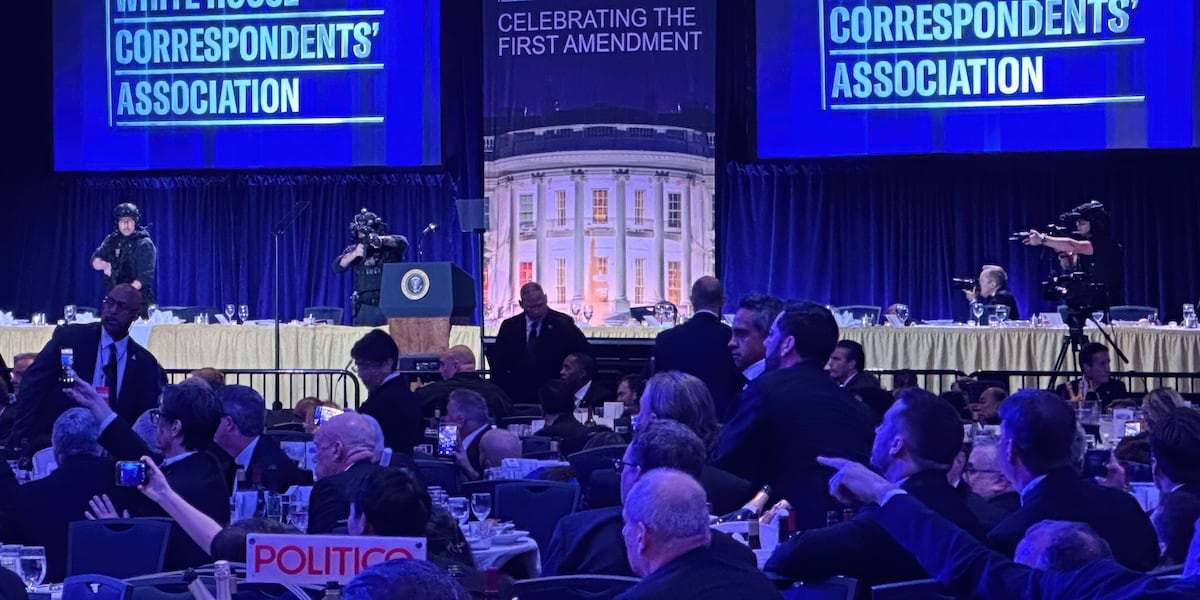
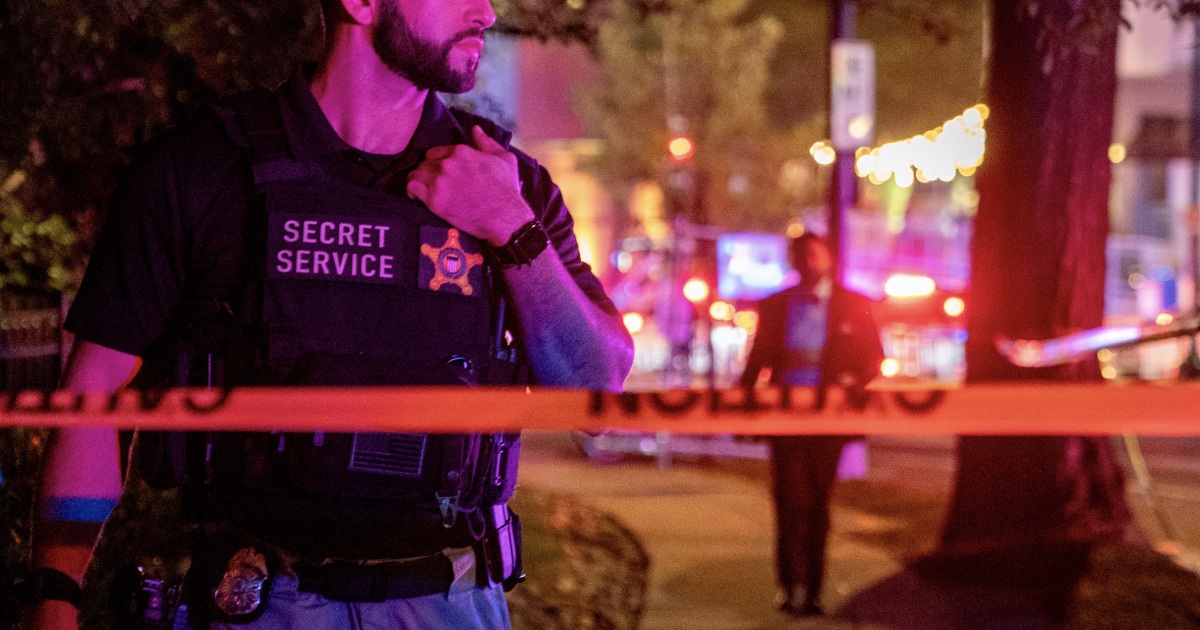
The recent discharge of a firearm near the entrance of the White House Correspondents’ Association dinner serves as a critical case study in the failure of layered security architectures. While such events are ostensibly secured by multi-agency coordination, the ability of a 31-year-old suspect, Cole Allen, to approach a primary screening area with a visible weapon reveals a breakdown in early-stage threat detection and perimeter integrity.
Operational Lapse: The ‘Quiet Window’ and Sensory Lag
Witness testimony from volunteer Helen Mabus suggests a failure in surveillance continuity during the transition from peak guest arrival to the post-rush lull. The observation of Allen assembling or extending a rifle in a corridor leading to a checkpoint highlights a lack of active monitoring in ‘soft’ zones. Furthermore, the reports from Erin Thielman regarding the gunman’s charge toward her indicate that neutralization was reactive—occurring only after the threat had successfully penetrated the outer layers of the venue’s security envelope.
A significant psychological barrier to rapid response was identified by PR professional Matt Shupe: the misinterpretation of gunfire as falling dinnerware. This sensory lag, common in high-decibel social environments, underscores the need for unambiguous acoustic threat detection systems that bypass human interpretation during the initial seconds of an engagement.
Strategic Pivot: Economic and Logistical Repercussions
The fallout from this incident extends beyond immediate safety concerns, impacting the economic framework of the events industry. Organizers now face a forced escalation in operational expenditures (OPEX) as they transition from standard screening to military-grade surveillance. This shift includes the integration of advanced weapons detection systems and AI-augmented facial recognition to identify threats before they reach physical checkpoints.
From a fiscal perspective, the liability landscape is shifting. Insurers are expected to recalibrate risk models for high-profile political gatherings, leading to a projected surge in premiums. This increase in the ‘cost of security’ may fundamentally alter the scale of future events, potentially limiting accessibility to ensure manageable safety parameters.
Institutional Response and Federal Mandates
The presence of President Trump and other high-ranking dignitaries necessitates an internal audit of inter-agency communication. The immediate extraction of the executive detail remains a standard protocol, but the breach suggests a disconnect between private venue security and federal protective perimeters. Future engagements will likely see a more aggressive federalization of outer-ring security, reducing reliance on third-party contractors and volunteer staff for critical checkpoint oversight.
Conclusion: The Resilience Imperative
The WHCD incident has effectively terminated the era of ‘convenience-focused’ security for political media events. The industry is now moving toward a ‘zero-trust’ security model, where every point of entry is treated as a potential breach site. For venues and organizers, the ability to provide verifiable, high-density protection is no longer an amenity—it is a baseline requirement for institutional survival in an increasingly volatile threat landscape.