
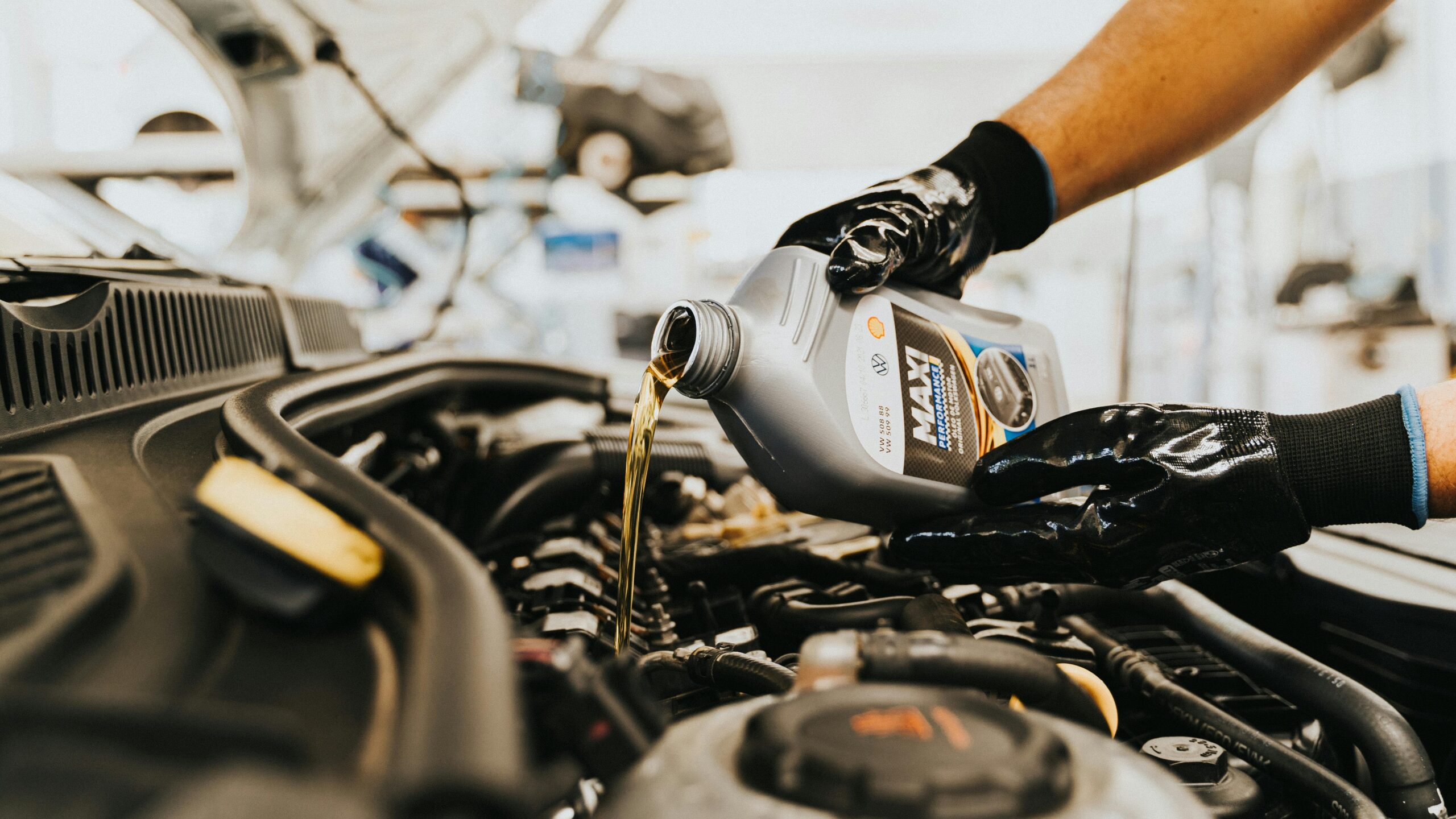
The geopolitical destabilization of the Middle East has precipitated a systemic shock to the global automotive lubricant market, specifically targeting the supply of API Group III base oils. As the closure of the Strait of Hormuz obstructs the primary corridor for high-performance synthetic feedstocks, the automotive industry is confronting an unprecedented structural deficit. This is no longer a localized pricing event; it is a fundamental breakdown of the supply chain threatening the operational integrity of dealership service lanes and the ‘first-fill’ requirements of new-vehicle assembly lines.
The Critical Dependency on Group III Refining
Modern internal combustion engines, engineered for strict emissions compliance and high fuel efficiency, rely almost exclusively on Group III base oils. These high-viscosity index stocks are produced through specialized hydrocracking processes concentrated in Middle Eastern refining hubs. Unlike lower-tier mineral oils (Groups I and II), Group III capacity cannot be rapidly scaled elsewhere due to the extreme capital intensity and technical complexity of the refining infrastructure. The current logistical paralysis exposes a strategic vulnerability: the industry’s transition to ultra-low viscosity lubricants has created a non-negotiable dependency on a volatile geographical region.
OEM Defensive Protocols and Inventory Prioritization
Original Equipment Manufacturers (OEMs), notably Toyota and Nissan, have transitioned from standard procurement to defensive rationing protocols. To mitigate the impact of dwindling inventories, these manufacturers are prioritizing internal dealership service networks over third-party aftermarket distributors. This maneuver aims to preserve high-margin after-sales ecosystems and ensure that warranty-linked maintenance remains viable. However, the move signals a bleak outlook for independent retailers and suggests that the scarcity may lead to the deferral of critical maintenance, potentially compromising vehicle longevity across the global fleet.
The Retail Signal: Analysis of the AutoZone Memo
Evidence of retail-level strain surfaced via internal communications from AutoZone, which detailed an impending 40% collapse in the availability of specific lubricant categories, including passenger car motor oils (PCMO) and heavy-duty diesel fluids. The memo highlights a transition from managed scarcity to an acute crisis, necessitating oil grade substitution strategies. Such substitutions carry inherent risks; modern engine architectures are calibrated for specific additive chemistry and viscosity profiles. Using suboptimal lubricants to compensate for shortages could trigger a secondary wave of mechanical failures and contentious warranty disputes.
Wholesale Volatility and the 12-Month Recovery Horizon
Market data from Petroleum Trends International indicates an anomalous acceleration in wholesale pricing, with three significant increases occurring within a ten-week window. This frequency reflects a state of high-velocity price discovery where costs are decoupled from crude oil benchmarks and tied instead to refined stock scarcity. Holly Alfano, CEO of the Independent Lubricant Manufacturers Association (ILMA), has cautioned that a resolution is unlikely within the next 12 months. For the automotive sector, this implies a prolonged era of margin compression and the potential for ‘grounded’ vehicles as essential specialty fluids—including proprietary transmission and cooling synthetics—become unavailable.