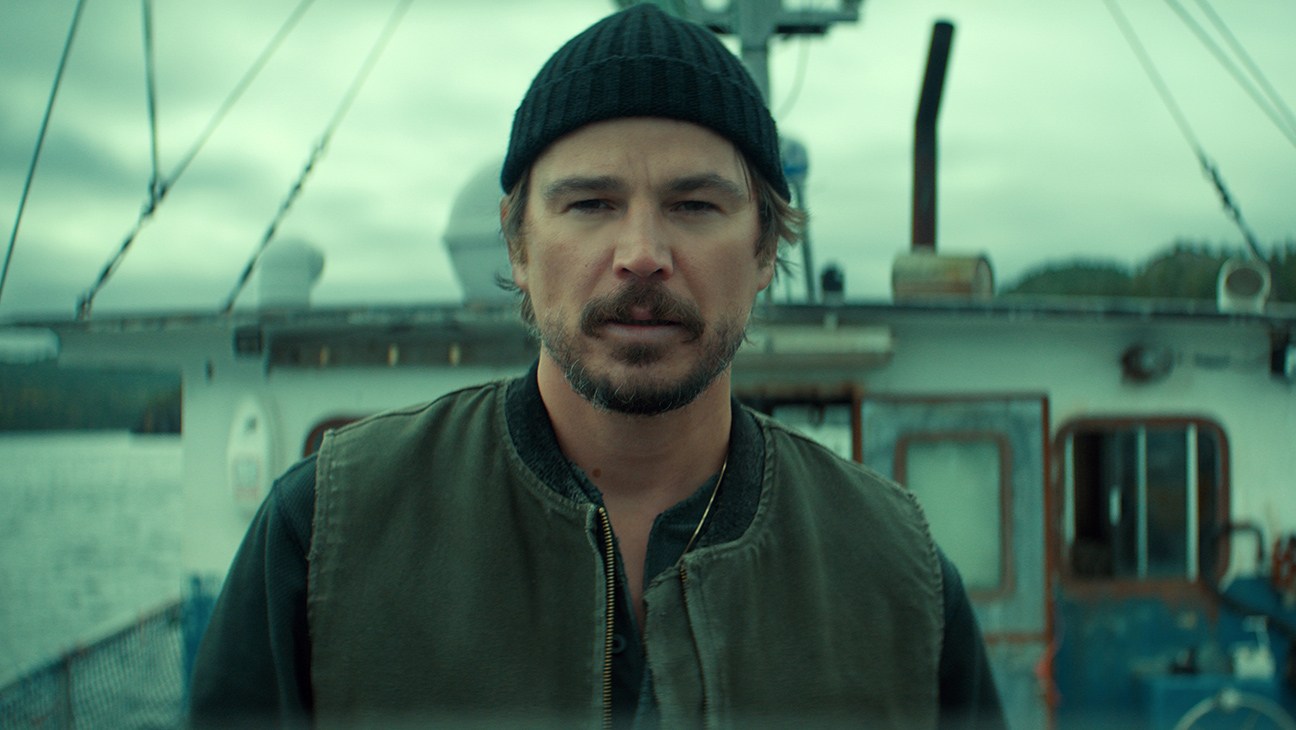
Netflix has expanded its platform catalog with Below, a six-episode supernatural thriller created by Jesse McKeown. The series establishes its operational and atmospheric tone immediately through a striking 1986 prologue set in rural Newfoundland.
This opening sequence depicts a family relocating by moving their entire house across a bay on a barge steered by a lone motorboat. This striking cinematic framing leverages authentic local history to ground an otherwise outlandish supernatural premise involving deep-water entities.
The Historical and Cultural Realities of Newfoundland Resettlements
The imagery of the floating house draws directly from documented historical phenomena in eastern Canada. Over the decades, demographic shifts, population declines, and industrial transformations have driven government-sponsored resettlement programs across Newfoundland.
These initiatives involved moving entire communities or physical structures away from isolated outports toward designated growth centers. Archival and internet records feature numerous visual examples of open-sea house-moving, lending an authentic texture to the fictional narrative.
Strategic Narrative Grounding in Modern Streaming Content
By rooting supernatural peril in actual economic and historical dislocation, the production creates a distinct narrative anchor. The fictional setting of Snook’s Arm incorporates tangible systemic pressures, including historic fishing bans and prolonged economic uncertainty.
These elements provide structural depth beyond conventional genre tropes, embedding supernatural horror within a framework of regional decline. The presence of government-led resettlement schemes mirrors documented policy frameworks used to manage remote, economically unviable coastal settlements.
Character Dynamics and Ecosystem Portrayal
The series populates this fragile coastal economy with characters shaped by isolation, local tradition, and economic vulnerability. Figures like Wade Penney, portrayed by Charlie Heaton, articulate the precarious nature of life in a community beset by continuous seafaring tragedies.
The integration of Airbnb hosts, shifty conservationists, motorbikes, and local folklore establishes a dense socio-economic backdrop. This layering reflects how modern media properties utilize regional specificity to differentiate content within competitive subscription video-on-demand markets.
Genre Hybridization and Platform Positioning
Below exemplifies contemporary platform strategies that combine regional realism with high-concept genre fiction. By juxtaposing historical government relocation policies with an ancient, unknowable aquatic evil, the series constructs a hybrid viewing experience.
This approach appeals to audiences seeking atmospheric world-building grounded in recognizable institutional realities. The narrative structure moves deliberately between past maritime catastrophes and present-day economic struggles, utilizing temporal shifts to heighten dramatic tension.
Production Framework and Creative Execution
The creative team, led by showrunner Jesse McKeown, utilizes a notable ensemble cast featuring Josh Hartnett, Mackenzie Davis, Natasha Henstridge, Willow Kean, and Ruby Stokes. This talent deployment indicates a strategic platform investment in mid-tier, high-concept serialized drama.
The production relies heavily on environmental tension, leveraging the austere Newfoundland landscape, persistent mist, and maritime isolation. These stylistic choices reinforce the central conflict between isolated human populations and vast, uncontrollable natural or supernatural forces.
Institutional Significance in Regional Storytelling
The deployment of real-world historical frameworks such as Newfoundland outport resettlement highlights a broader trend in platform programming. Utilizing localized socio-economic history offers a pathway to distinguish genre fiction in a crowded global marketplace.
While the narrative elements incorporate supernatural threats, the underlying institutional architecture reflects genuine historical policy decisions. This blend of documented administrative history and genre entertainment defines the operational strategy behind the project’s structural appeal.