A Chilling Threat Looms Over Louisiana
The wind howls with an unusual bite, a harbinger of a dramatic shift in Louisiana’s typically temperate climate. Residents are being urged to prepare for a significant winter storm, one that carries the potential for disruptive ice and prolonged periods of bitter cold. The gravity of the situation has prompted Governor Jeff Landry to declare a state of emergency, mobilizing resources ahead of the incoming arctic blast.
State of Emergency Declared
Governor Jeff Landry has officially declared a state of emergency across Louisiana. This proactive measure signals the seriousness with which officials are treating the approaching winter weather system. The declaration allows for the mobilization of state resources, coordination of emergency services, and potential deployment of the National Guard.
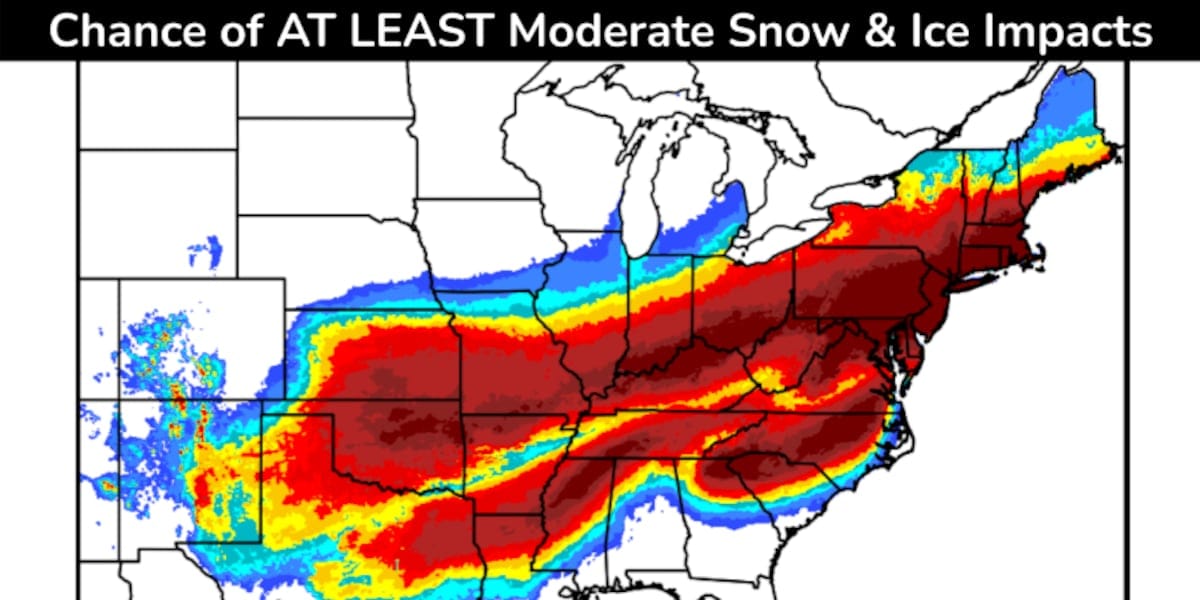
The primary concerns are a major ice storm and an extended period of freezing temperatures. These conditions pose significant threats to infrastructure, power grids, and public safety across the state.
First Alert Forecast: A Widespread Wintery Mix
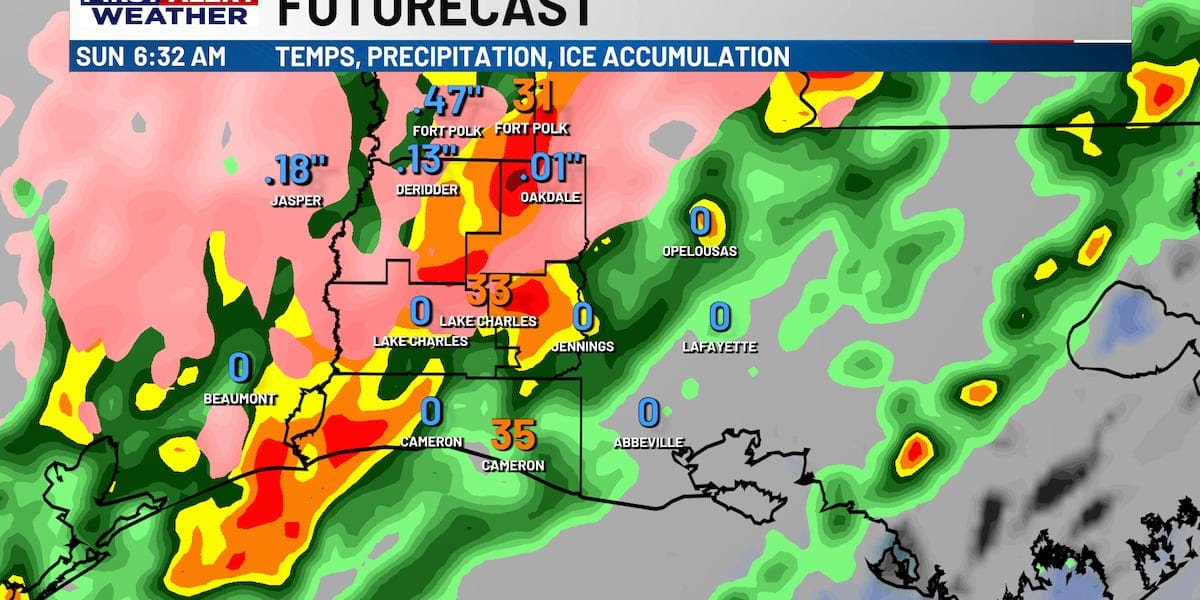
Forecasters are issuing a ‘First Alert’ for the impending weather, emphasizing that rain is expected for all regions of Louisiana this weekend. However, the outlook takes a more concerning turn for northern parts of Southwestern Louisiana (SWLA), where an ice threat remains a distinct possibility.
As the storm system moves closer, temperatures are projected to plummet. By early next week, forecasts indicate a significant drop, with readings expected to fall into the teens and 20s Fahrenheit across much of the state. This drastic temperature change, coupled with precipitation, creates a prime environment for ice accumulation.
The Science Behind the Chill
An arctic blast is characterized by a powerful surge of extremely cold air masses that originate from polar regions. These outbreaks typically occur when the polar vortex, a large area of low pressure and cold air surrounding the Earth’s poles, becomes destabilized and pushes southward.
When such a mass of frigid air collides with moisture-laden air closer to the surface, it can lead to various forms of winter precipitation. In Louisiana’s case, the incoming system is expected to bring rain initially. As temperatures drop below freezing, this rain could transition into freezing rain or sleet.
Understanding Freezing Rain and Ice Accumulation
Freezing rain is particularly dangerous because it occurs when raindrops fall through a sub-freezing layer of air close to the ground. Instead of freezing in the air or turning into snow, the water remains in a liquid state until it comes into contact with surfaces that are at or below freezing. Upon impact, the supercooled water instantly freezes, forming a glaze of ice.
Even a thin layer of ice can cause significant disruptions. It makes roads and sidewalks treacherous, leading to dangerous driving conditions and increasing the risk of falls. Power lines coated in ice become heavy, leading to sagging and potential snapping, resulting in widespread power outages. Trees, laden with ice, can also break under the weight, further damaging infrastructure.
Preparing for the Worst
With the state of emergency in effect, authorities are urging residents to take immediate steps to prepare for the severe weather. This includes stocking up on essential supplies, ensuring heating systems are functional, and making arrangements for potential power outages.
Homeowners are advised to insulate exposed pipes to prevent them from freezing and bursting. It is also recommended to have emergency kits ready, containing items such as non-perishable food, water, flashlights, batteries, and blankets.
Travel Advisory
The Louisiana Department of Transportation and Development (DOTD) is closely monitoring the situation and will issue travel advisories as conditions deteriorate. Motorists are strongly urged to avoid unnecessary travel during the storm, especially in areas prone to ice accumulation. If travel is unavoidable, drivers should exercise extreme caution, reduce speed, and increase following distance.
Emergency services, including law enforcement and first responders, will be stretched thin. The public’s cooperation in minimizing travel can help ensure that emergency personnel can reach those in critical need.
A Look Back: Louisiana’s Winter Weather History
While Louisiana is more commonly associated with hurricanes and tropical storms, the state is not immune to the impacts of severe winter weather. Infrequent, but often memorable, ice storms and cold snaps have occurred throughout its history.
One notable event was the 2000 ice storm, which paralyzed much of the state, causing widespread power outages and significant damage. More recently, the February 2021 winter storm brought historic cold and ice to Texas and surrounding states, with Louisiana also experiencing significant disruptions, including power outages and treacherous road conditions.
The Impact of Climate Change
Scientists suggest that while extreme cold snaps are a natural phenomenon, the increasing frequency and intensity of such events in some regions may be linked to broader patterns of climate change. Disruptions to the polar vortex, potentially influenced by warming Arctic temperatures, can lead to more frequent and severe cold air outbreaks reaching lower latitudes.
For a state like Louisiana, which is not typically equipped with the infrastructure to handle prolonged freezing conditions, these events can be particularly challenging. The economic and social impacts of such weather can be substantial, affecting everything from agriculture to daily commutes.
A Call for Vigilance
As the arctic blast approaches, the primary message from state officials is one of vigilance and preparedness. The combination of rain, freezing temperatures, and the potential for ice creates a trifecta of hazardous conditions.
“We are urging every Louisianan to take this storm seriously and make necessary preparations now,” stated a spokesperson for the Governor’s office. “Our priority is the safety and well-being of our citizens, and we are deploying all available resources to mitigate the impacts of this severe weather event.”
The days ahead promise a stark reminder of nature’s power, and for Louisiana, it’s a call to action to weather the coming storm.