Strategic Path Optimization in the 48-Team Era
The 2026 World Cup’s expansion to a 48-team field has fundamentally recalibrated the group stage calculus. With the introduction of the Round of 32, elite managers have shifted their objective from simple qualification to ‘path optimization.’ Securing a top seed is no longer just about prestige; it is a critical operational maneuver to avoid high-EGR (Expected Game Resistance) opponents in the early knockout brackets and manage the physical load of an extended seven-game march to the final.
The Messi Benchmark: Statistical Gravity and Commercial Value
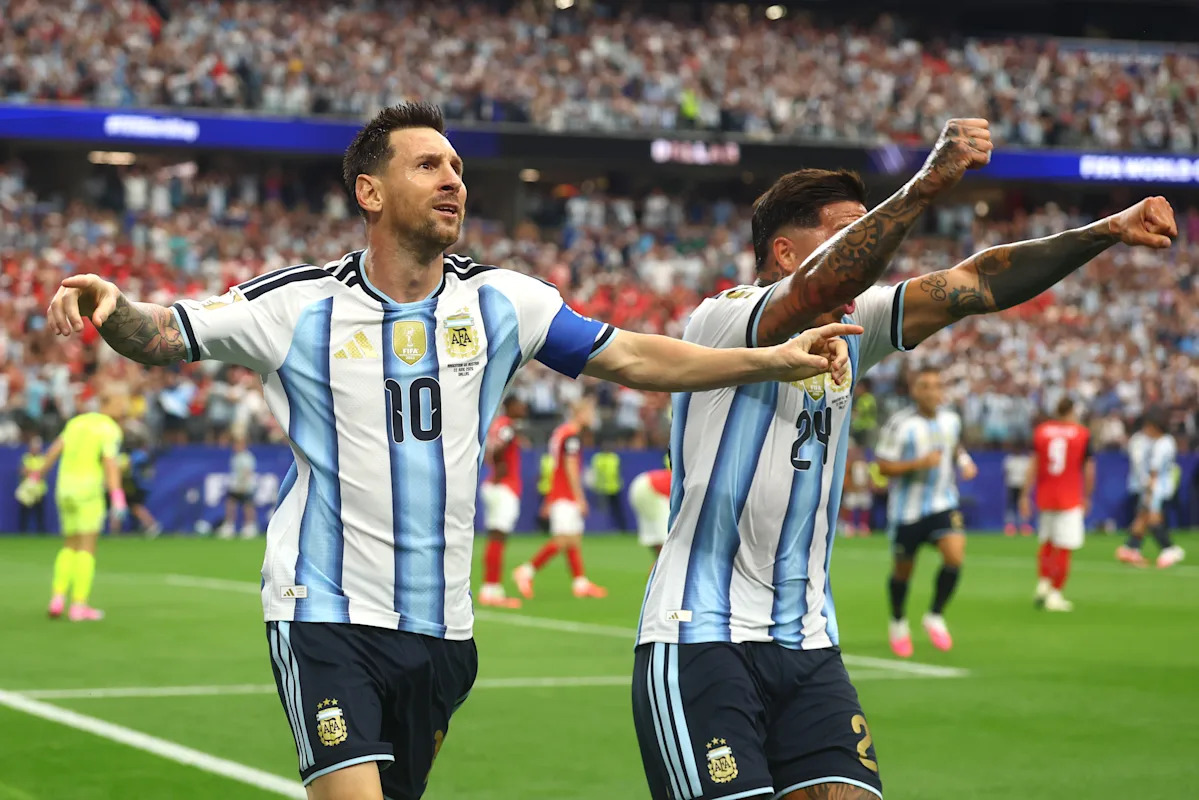
Lionel Messi’s performance against Austria—securing his 17th and 18th all-time World Cup goals—has established a new ceiling for international scoring across both men’s and women’s categories. Beyond the record, Messi exerts a ‘tactical gravity,’ forcing opponents to over-allocate defensive resources, which creates operational space for Argentina’s secondary attackers. This efficiency sustains Argentina’s status as a top-tier contender while maximizing the commercial value of his final international cycle through unprecedented broadcast and merchandise demand.
Mbappé’s Trajectory: Redefining the Statistical Ceiling
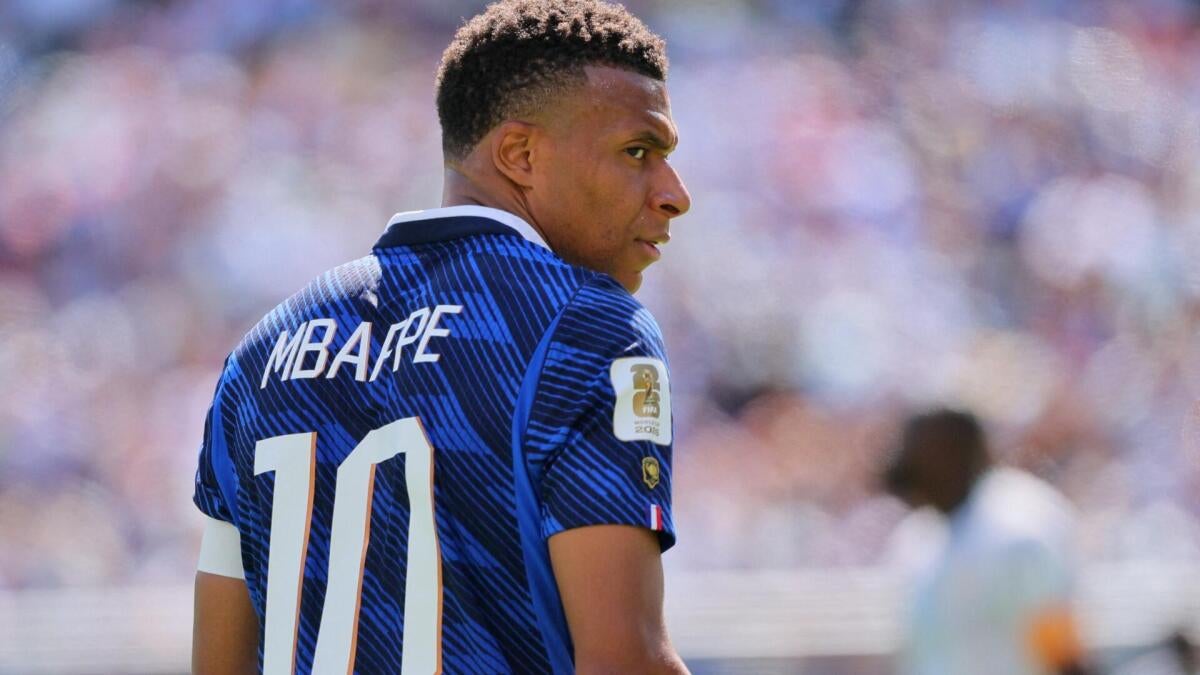
At 27, Kylian Mbappé is tracking a historical trajectory that threatens all existing scoring records. Following his 15th all-time World Cup goal, the French captain represents the convergence of physical prime and leadership leverage. France’s tactical engagement with low-block structures, such as Iraq’s defensive setup, serves as a stress test for their ability to maintain offensive efficiency without compromising defensive integrity. The narrative of Mbappé chasing Messi’s newly minted record remains a primary driver for FIFA’s global marketing and engagement metrics.
Operational Agility: Mid-Game Management and Tactical Windows
The decision by Iraq manager Graham Arnold to utilize a hydration break for a critical personnel swap—replacing Aymen Hussein with Ali Al-Hamadi—highlights the evolution of mid-game management. These breaks are increasingly treated as tactical windows, allowing for structural adjustments that bypass the traditional delays of standard play. This agility is essential in the 2026 format, where high-intensity schedules require rapid responses to performance stagnation, as seen in the tactical stalemate between Norway’s Erling Haaland and Senegal’s disciplined collective defense.
Financialization of Performance: Betting Liquidity and Analytics
The integration of sophisticated betting markets into the tournament narrative has reached peak liquidity. Platforms like FanDuel see massive capital movement centered on ‘anytime goalscorer’ props for elite assets like Mbappé and Haaland. Market analysts, including Jon Eimer and Martin Green, now play a pivotal role in mediating information asymmetry, providing the financial scrutiny that correlates individual on-pitch efficiency with market returns. This ecosystem thrives on the predictability of star performance contrasted against the inherent volatility of the expanded knockout path.
Conclusion: The Calculus of the Third Round
As the second round concludes, the divide between group leaders and those facing elimination has created a high-variance environment for the final matches. Goal difference—currently ranging from +6 to -6 across groups—will serve as the primary tie-breaking mechanism, forcing teams to remain aggressive even with established leads. The 2026 World Cup is transitioning from a stage of individual brilliance to a complex theater of institutional maneuvering, where every goal scored recalibrates the probability of reaching the final in New York/New Jersey.