
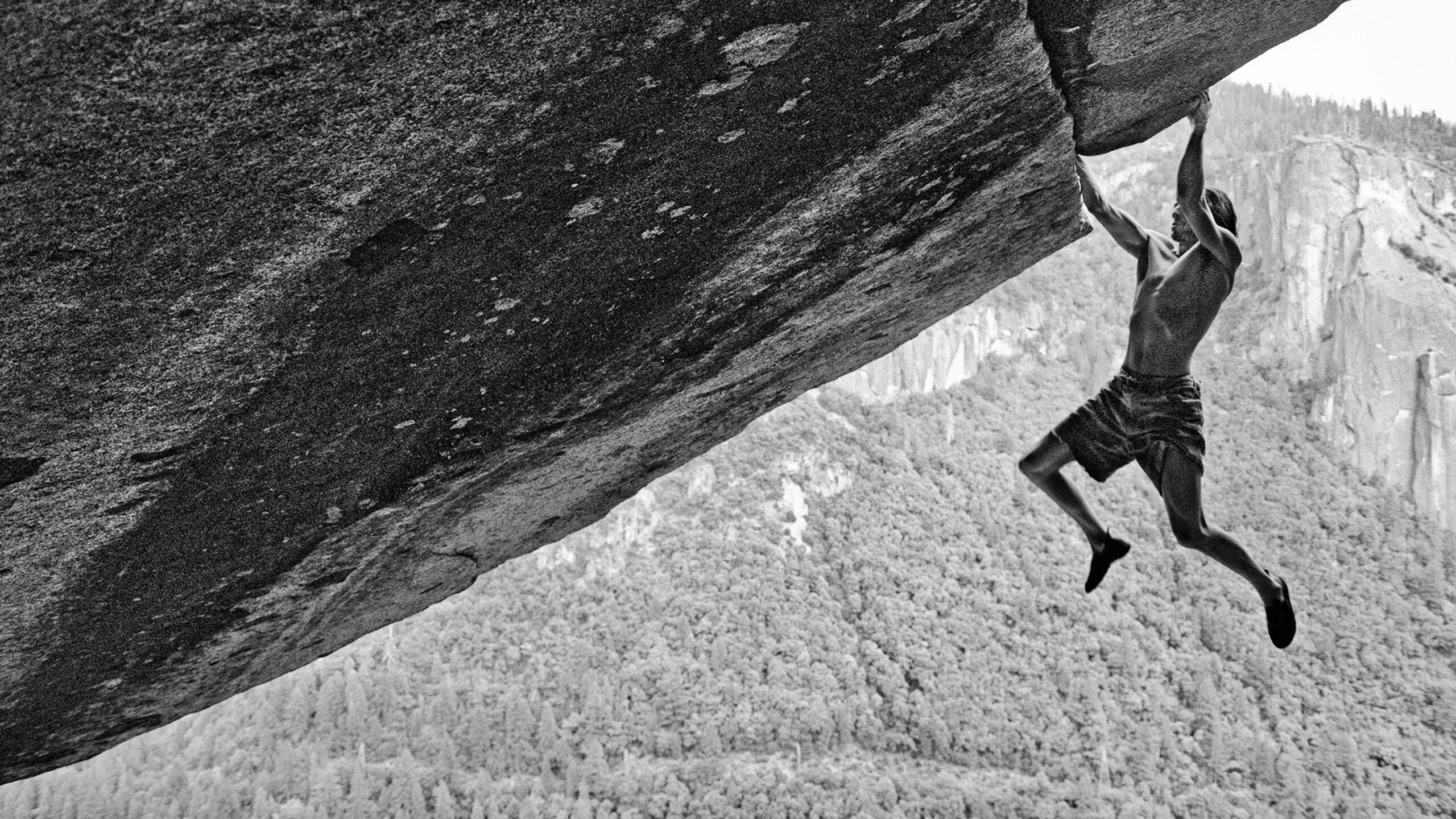
The premiere of HBO’s four-part docuseries, The Dark Wizard, represents a sophisticated pivot in the commercialization of high-stakes sports narratives. Directed by Peter Mortimer and Nick Rosen, the series transcends the traditional ‘adrenaline junkie’ trope, opting instead for a granular institutional analysis of risk and mental health. This shift reflects a broader trend in premium broadcasting: the evolution of niche athletic feats into high-value intellectual property that prioritizes psychological profiling over mere physical spectacle.
The Heuristics of High-Stakes Performance
Central to the series’ analytical framework is Dean Potter’s recurring childhood dream of falling. Rather than treating this as a simple anecdote, the documentary frames it as a foundational heuristic for his operational decision-making. In the context of performance leverage, this psychological architecture illustrates how internal stressors are integrated into the professional identity of elite athletes. The series challenges the industry’s legacy of the stoic daredevil, replacing it with an unflinching look at the human capital costs associated with extreme innovation.
By detailing Potter’s mental health struggles, The Dark Wizard introduces a new layer of institutional accountability. For sponsors and media conglomerates, the transparency of Potter’s psychological tension raises critical questions regarding the ethics of marketing individuals whose primary motivation may stem from profound internal fragility. This narrative strategy forces a reevaluation of the value proposition of extreme athletes in a socially conscious market.
Strategic Narrative Architecture and Market Positioning
The transition from a feature-length film to a multi-part series indicates a strategic move by HBO to maximize longitudinal audience engagement. This episodic structure allows for a case-study approach to Potter’s career, tracing his evolution from a traditional climber to a multi-disciplinary aerialist. Each segment serves as a data point in how an individual brand can scale by adopting increasingly complex risk profiles.
Mortimer and Rosen’s participation provides the series with necessary institutional pedigree. Their ability to translate subcultural nuances into prestige content is pivotal for the valuation of extreme sports within the streaming ecosystem. While Free Solo focused on the external execution of a climb, The Dark Wizard distinguishes itself by prioritizing the internal mystery, positioning the series as a psychological thriller within the sports documentary genre.
Regulatory Impact and the Yosemite Ecosystem
The series highlights the structural friction between individualistic athletic pursuits and federal oversight. As Potter pushed the limits of the permissible, his visibility forced a recalibration of safety standards and regulatory frameworks within the National Park Service. This highlights the ‘Potter Effect’: the way high-visibility athletes can trigger policy shifts and increased scrutiny regarding public land access for high-risk activities.
Furthermore, the ‘Dark Wizard’ persona is analyzed as a deliberate market position. This branding enabled Potter to secure unique sponsorship opportunities, yet it simultaneously created a set of high-risk expectations. The documentary explores the volatility of such branding, illustrating how the pressure to innovate in lethal environments can exacerbate pre-existing psychological vulnerabilities.
Economic Incentives and the Maturing of Extreme Media
HBO’s investment in The Dark Wizard underscores the high return on emotional engagement provided by real-world risk, often at a lower production cost than scripted drama. However, this carries significant reputational risk. The documentary manages this by maintaining a critical distance, shifting the focus from the immediate gratification of the stunt to the long-term consequences of extreme performance.
For stakeholders in the outdoor industry, Potter’s legacy serves as both a pioneering achievement and a cautionary tale regarding brand sustainability. The series suggests a maturation of the genre, moving toward a framework where the psychological well-being of the athlete is recognized as a critical component of brand equity. This approach sets a new standard for narrative depth, challenging future sports documentaries to address the philosophical and ethical dimensions of risk-taking.

Photo by hattipop on Pixabay.