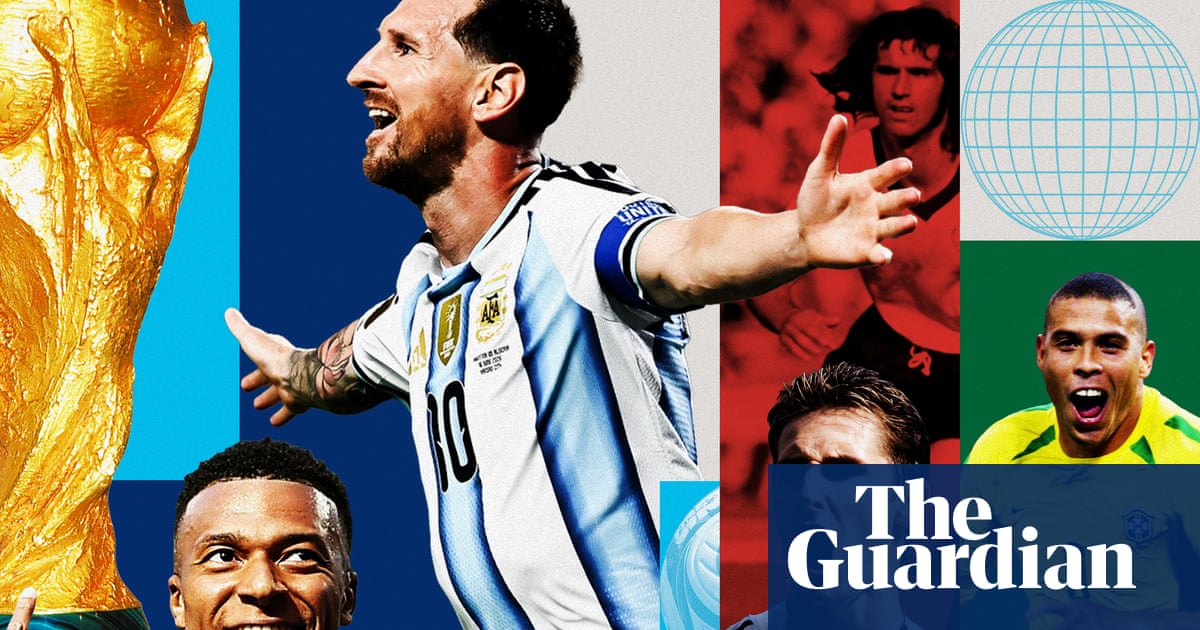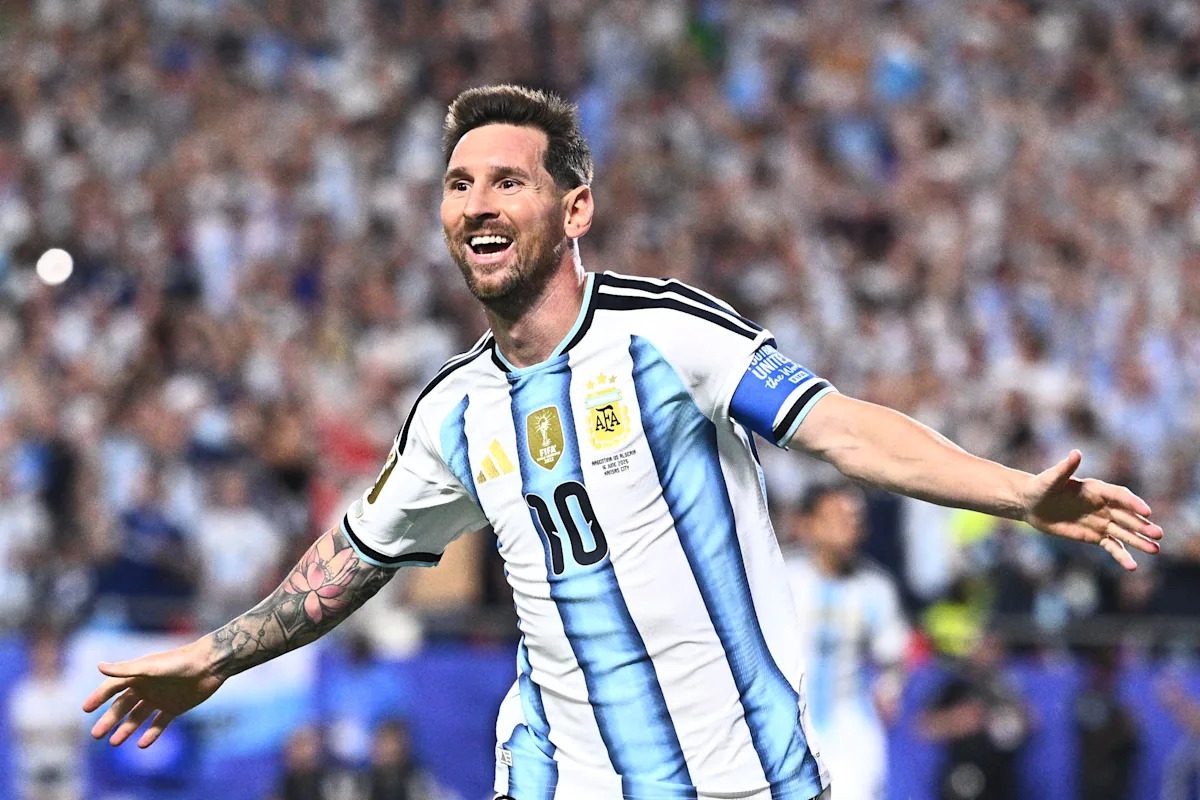
Messi Forges New World Cup Goal-Scoring Zenith
Lionel Messi has carved an indelible mark in football history, establishing a new all-time World Cup goal-scoring record during the ongoing 2026 tournament. His exceptional campaign, highlighted by a pivotal hat-trick against Algeria and a subsequent decisive brace against Austria, propelled him to an unparalleled total of 18 goals, definitively surpassing Miroslav Klose’s previous benchmark. This achievement elevates the discourse around individual prowess within football’s most prestigious competition.
Beyond mere statistics, Messi’s sustained output, particularly with 12 of his 18 goals arriving after his 35th birthday, underscores a paradigm shift in athlete longevity and peak performance. This strategic endurance, facilitated by advancements in sports science, meticulous conditioning regimes, and evolved tactical roles, distinguishes his achievement. It draws analytical parallels not only to Pelé’s multi-tournament career but also to the contemporary imperative for athletes to extend their elite impact over prolonged periods, redefining the very metrics of footballing greatness.
Strategic Underpinnings of a Record-Breaking Trajectory
Messi’s record-setting performance in the 2026 World Cup carries profound strategic implications across multiple dimensions. For his personal brand, this sustained pinnacle of performance significantly augments his global marketability, reinforcing lucrative endorsement portfolios and shaping his post-playing career opportunities. The narrative of an aging legend continually rewriting history resonates deeply with diverse demographics, amplifying his commercial appeal and brand equity for years to come.
From a national perspective, Messi’s individual success translates into tangible benefits for the Argentine Football Association. It ignites heightened national pride, amplifies global visibility for the team, and directly correlates with surges in fan engagement, merchandise sales, and an invigorated interest in grassroots football development. This leveraging of an icon’s influence fosters aspirational pathways for future generations, drawing increased investment and talent into the national football pipeline.
Operationally, maintaining such an elevated scoring rate across multiple World Cup cycles necessitates meticulous preparation and astute tactical integration. Messi’s consistent role as a primary penalty taker—a position of immense pressure and strategic importance, despite a recorded number of attempts and occasional misses—highlights the team’s unwavering strategic reliance on his decisive contributions within offensive schemes. This tactical dependency underscores both his individual potency and his team’s calculated approach to maximizing goal-scoring opportunities.
Generational Rivalry and Emerging Contenders
While Messi redefines the historical apex, the 2026 tournament concurrently showcases a formidable cadre of challengers, intensifying the competitive narrative and setting the stage for future legacies. Kylian Mbappé, with an impressive 14 goals following a potent brace against Senegal, stands as the most immediate active contender. His rapid accumulation of goals, already securing his status as France’s all-time leading scorer, positions him as the spearhead of a generational challenge to established records.
Mbappé’s pursuit injects a compelling inter-generational rivalry into the sport, shaping future discussions on footballing dominance and individual accolades. His ascent exemplifies the strategic emphasis on sophisticated youth development and talent identification systems prevalent in elite footballing nations, aimed at cultivating players capable of sustained high-level performance and record-breaking potential.
Harry Kane, reaching 10 World Cup goals with a clinical brace against Croatia, further demonstrates the profound depth of attacking talent vying for historical recognition. The exceptional performances of these elite strikers not only drive intense individual competitions but also significantly enhance the tournament’s overall viewership and media appeal, as fans meticulously track their progress against both Messi’s freshly minted record and historical benchmarks.
Commercial Valuation and Media Narrative Amplification
The pursuit and ultimate breaking of such significant records generate immense commercial and media leverage for all stakeholders. For FIFA, these narratives are invaluable, significantly enhancing the World Cup’s unparalleled status as the premier global sporting spectacle and directly impacting the valuation of broadcasting rights and commercial partnerships.
Sponsors capitalize directly on the heightened global visibility and profound emotional resonance associated with these historical milestones, strategically integrating these achievements into their marketing campaigns to forge stronger connections with consumers. Data meticulously tracked by authoritative entities like Transfermarkt becomes a critical, transparent component in validating, contextualizing, and amplifying these narratives across the global sports media landscape, underpinning journalistic integrity and fan engagement.
The continuous discourse surrounding who will eventually hold the all-time record, and the immediate chase by prolific players like Mbappé and Kane, creates a dynamic, perpetual content stream for sports broadcasters, digital platforms, and social media. This sustained narrative engagement ensures an audience interest that extends far beyond individual match results, focusing instead on the broader historical implications and unfolding sagas of footballing greatness.
Redefining Greatness: Longevity and Consistency
Messi’s new record, coupled with his remarkable achievement of scoring in six successive World Cup appearances, firmly places him within an exclusive pantheon of footballing legends, including Just Fontaine and Jairzinho, who demonstrated similar sustained impact. This redefines traditional criteria for “greatness” by emphasizing not merely peak performance, but also unprecedented longevity, adaptability, and unwavering consistency on the global stage.
The analytical contrast between Messi’s 12 goals scored post-35 and Pelé’s total output across four tournaments highlights a fundamental evolution in player management, athletic conditioning, and tactical deployment. Modern sports science and strategic club investments now enable athletes to prolong their careers at an elite level, influencing strategic decisions in club acquisitions, national team selections, and global player development pathways.
The compelling presence of other high-profile strikers such as Erling Haaland and Cristiano Ronaldo, both noted for their strong starts in the 2026 tournament, ensures that the discussion around all-time goal-scoring records remains dynamic and forward-looking. Their participation reinforces the World Cup’s enduring role as the ultimate stage where contemporary stars not only compete for immediate glory but also actively challenge and redefine historical benchmarks, thereby driving continuous engagement and narrative evolution.
Enduring Operational and Financial Legacy
The exceptional performances of players like Messi and Mbappé at the World Cup leave a lasting operational and financial legacy for their respective clubs and national federations. For clubs, a player’s record-breaking status significantly enhances brand equity, translates into increased global shirt sales, expands the international fan base, and secures more lucrative commercial partnership opportunities for years to come.
National federations, such as the Argentine Football Association or the French Football Federation, can strategically leverage these individual achievements to attract greater investment in national football infrastructure, youth academies, and coaching development programs. The prestige and global recognition associated with fostering a record-breaker directly augment their bargaining power for international friendlies, sponsorship deals, and governmental support for sport.
Furthermore, strategic decision-making in player selection and tactical deployment during a World Cup is profoundly influenced by the individual form and historical performance of key players. The measured reliance on a prolific goalscorer, as evidenced by Messi’s central role in his team’s progression, dictates tournament strategies, impacts national footballing reputation, and ultimately influences long-term financial inflows from successful campaigns and increased global attention.
The Dynamic Evolution of Elite Football Performance
The ongoing 2026 World Cup, marked by Messi’s historic record and the intense competitive pursuit by other elite forwards, vividly illustrates the dynamic evolution of elite football performance. The increasing reliance on data-driven analysis, exemplified by the meticulous tracking of statistics by platforms like Transfermarkt, provides an unprecedented granular understanding of player contributions, tactical effectiveness, and historical context.
This analytical depth enables more sophisticated and informed strategic decisions regarding player acquisition, talent development pathways, and tactical innovation across the global football ecosystem. The sustained excellence required to break and challenge these enduring records reflects a global football environment that increasingly prioritizes advanced physical conditioning, nuanced technical mastery, and unwavering mental fortitude throughout extended, demanding careers.
Ultimately, the compelling narratives generated by these individual achievements transcend the immediate sporting context, contributing profoundly to the cultural fabric of football worldwide. They inspire countless fans and aspiring athletes, fostering a global passion for the game. The continuous re-evaluation of historical benchmarks ensures that the sport remains perpetually dynamic, with each tournament offering new opportunities for players to etch their names into the annals of history and continually reshape the competitive landscape for generations to come.