Institutional Volatility and the $300M Payroll Paradox
The four-game series between the Chicago Cubs and New York Mets (June 22-25, 2026) at Citi Field serves as a case study in the diminishing marginal returns of aggressive capital deployment. For the Mets, the series represents more than a mid-season fixture; it is a confrontation with the systemic failure of a roster exceeding $300 million in total commitments. Despite the organizational overhaul led by David Stearns, the franchise is navigating a period of negative ROI, characterized by a lack of competitive depth and a failure to translate financial weight into divisional leverage.
The Mets’ current standing is haunted by a twelve-game collapse earlier this season, which fundamentally compromised their postseason probability. While the roster was ostensibly built for resilience, the decision to pivot away from the 2025 core has created a leadership vacuum that high-priced acquisitions have failed to fill. Conversely, the Cubs arrive with tactical momentum, having recently dominated New York in a three-game sweep at Wrigley Field—a series defined by a +11 run differential and a stark disparity in situational execution.
Injury Cascades and Functional Depth Exposure
The Mets’ underperformance is inextricably linked to the simultaneous loss of high-leverage assets Juan Soto, Francisco Lindor, and Clay Holmes. In a top-heavy roster architecture, these absences trigger a cascading effect, forcing replacement-level talents into high-stress roles. The defensive regression is most palpable at shortstop; replacing Lindor with Zack Short significantly degrades the team’s defensive WAR and double-play conversion rates, placing an unsustainable burden on a pitching staff already struggling with volatility.
In the bullpen, the loss of Clay Holmes removes the team’s primary high-leverage anchor. This absence has forced the Mets to overextend their middle relief, leading to late-inning fatigue and a high frequency of blown leads. Without a stable bridge to the final out, the Mets’ ability to capitalize on offensive rallies is severely diminished, leaving them vulnerable to the Cubs’ disciplined, contact-oriented approach.
Strategic Construction: Stearns vs. the Cubs’ Efficiency Model
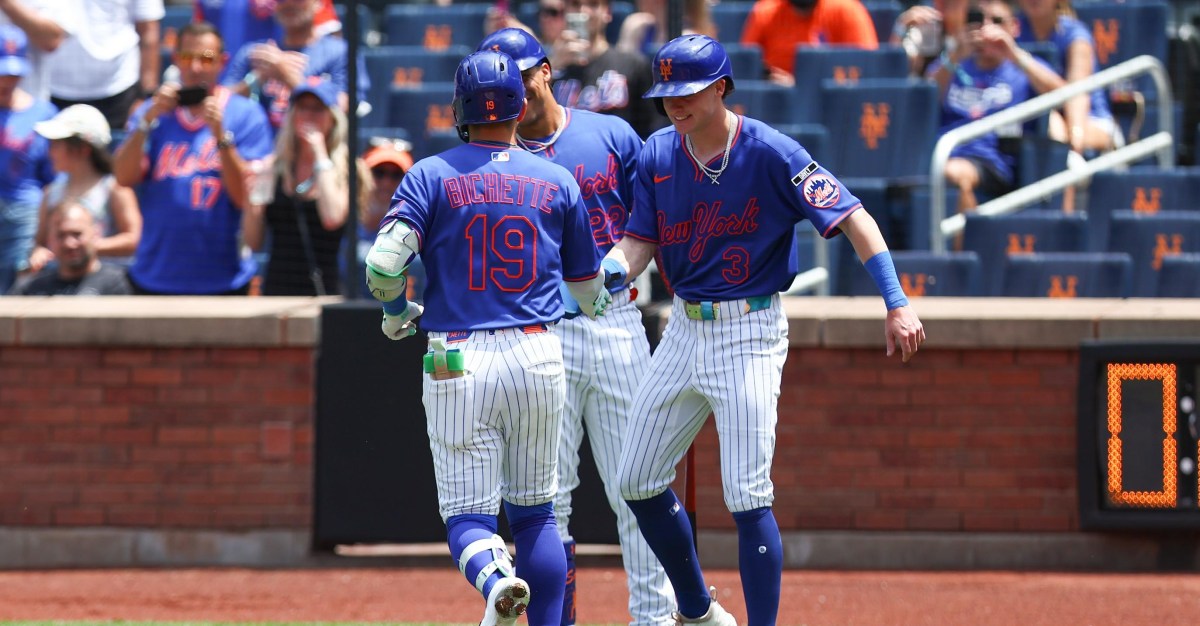
The 2026 Mets roster—a hybrid of elite free agents and high-risk acquisitions—is under intense scrutiny as cost-to-performance ratios plummet. While the lineup features star power in Bo Bichette and Marcus Semien, the production from the bottom half, including Carson Benge and A.J. Ewing, has been inconsistent. This lack of offensive continuity allows opposing pitching staffs to focus resources on neutralizing the core, effectively stalling the Mets’ run manufacturing.
In contrast, the Cubs have prioritized a balanced distribution of talent. The acquisition of Alex Bregman to anchor third base has provided a veteran floor, while the maturation of Pete Crow-Armstrong offers a high-ceiling dynamic. Chicago’s roster reflects a more sophisticated integration of payroll and prospect capital, allowing them to remain competitive despite the standard variances of a 162-game season.
Pitching Dynamics: Senga vs. Imanaga Tactical Battle
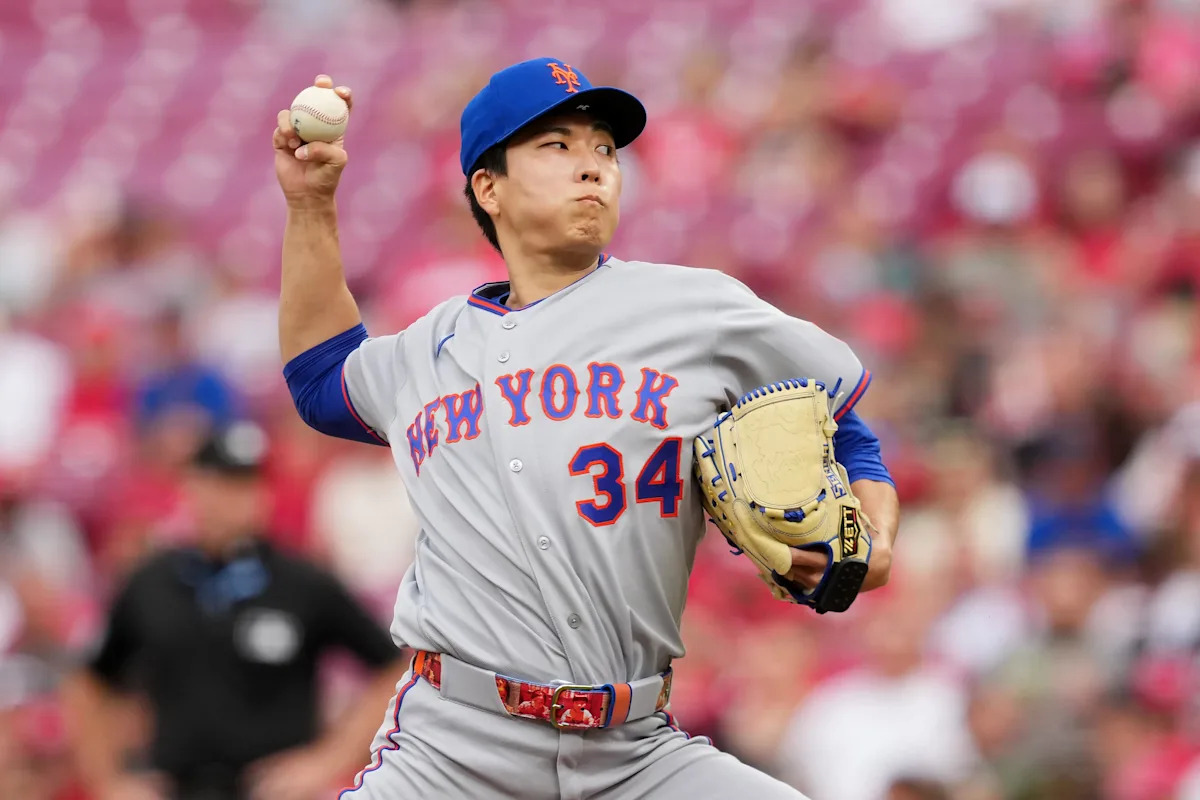
The series opener features a marquee matchup between Kodai Senga and Shota Imanaga. Senga remains the Mets’ most potent rotation asset, yet his success depends on his ability to navigate a Cubs lineup that ranks highly in plate discipline and zone awareness. If Senga cannot induce chases with his signature secondary offerings, he risks high pitch counts that further expose an already fragile New York bullpen.
Shota Imanaga provides the Cubs with a sophisticated left-handed counter, relying on elite command and deception rather than raw velocity. Given the Mets’ high strikeout rates and tendency to expand the zone under pressure, Imanaga’s profile is particularly dangerous. His ability to manipulate late-inning leverage by going deep into starts could be the decisive factor in neutralizing New York’s home-field advantage.
Operational Outlook: The Trade Deadline Pivot
This series acts as a critical junction for both front offices. For the Mets, continued failure at home may necessitate a radical pivot toward liquidation. If the team remains non-competitive by late June, Stearns may be forced to explore moving high-priced veterans to recoup value and reset the luxury tax threshold for 2027. This series is, essentially, an audition for the roster’s right to remain intact.
For Chicago, success at Citi Field would likely trigger an aggressive buying posture. Validating their roster construction against a high-spending opponent provides the front office with the mandate to pursue additional reinforcements for a deep October run. As the Cubs look to integrate young talents like Matt Shaw and Michael Busch into a championship-ready core, this series represents the ultimate litmus test for their developmental trajectory.