Hamilton’s Barcelona Masterclass: Strategic Vindication for Ferrari
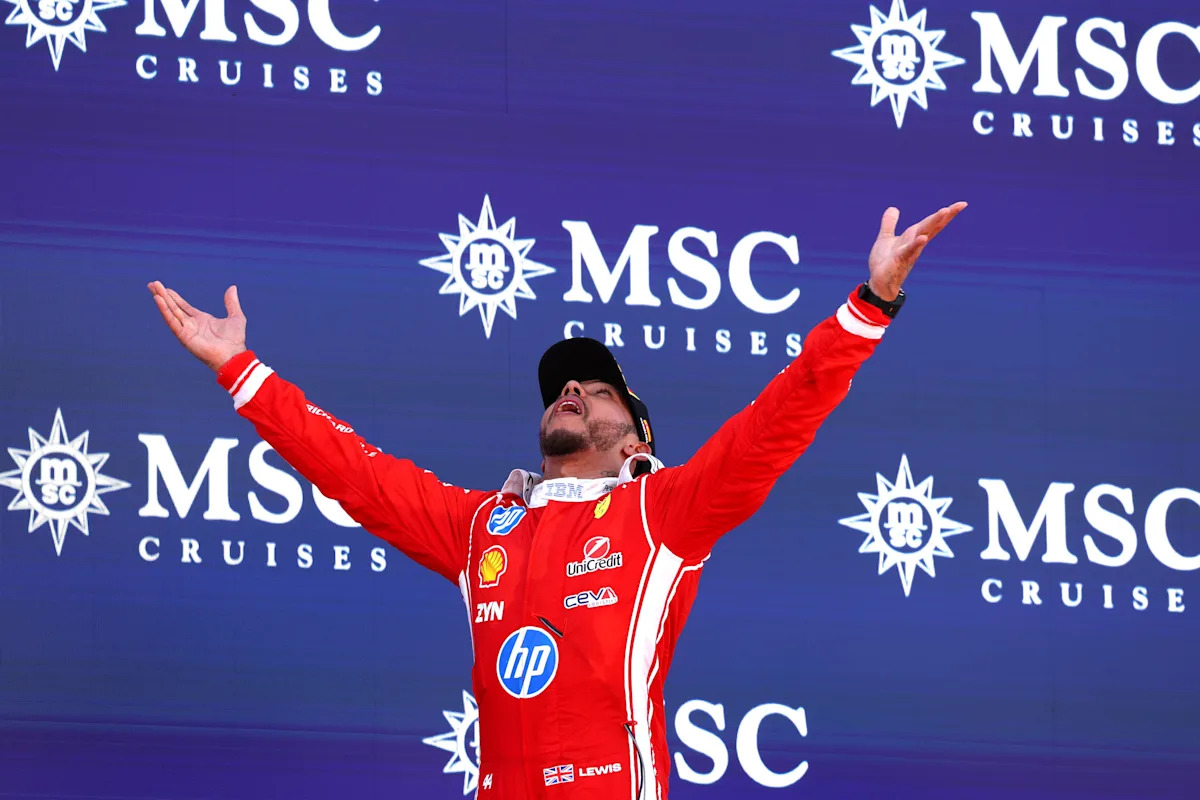
Lewis Hamilton’s commanding victory at the 2026 Spanish Grand Prix was more than a race win; it was a profound strategic validation for Scuderia Ferrari. At 41 years old, Hamilton became the oldest Grand Prix winner since Jack Brabham in 1970, a historic milestone underscoring his exceptional longevity and sustained elite performance.
The dominant display, featuring a near 20-second lead and a bold three-stop strategy executed flawlessly under challenging conditions, served as irrefutable proof of Ferrari’s ambitious gamble on the seven-time World Champion. This triumph decisively silenced early-season doubts that had scrutinized the partnership’s efficacy following a difficult 2025 campaign.
The High-Stakes Maranello Gambit
Hamilton’s seismic 2025 move to Ferrari, announced prior to the 2024 season, represented a calculated, high-risk strategic decision for both driver and team. For Ferrari, it was an audacious bid to reignite championship aspirations and amplify its global brand, leveraging Hamilton’s unparalleled experience and marketability. The imperative was clear: integrate a proven champion to drive on-track success and commercial growth, despite the inherent integration challenges.
Conversely, Hamilton sought a novel challenge and the opportunity to cement an unparalleled legacy by conquering motorsport’s most iconic marque. This career pivot signaled a strategic self-assessment of his competitive drive and the potential for transformative impact within a different institutional culture.
The initial 2025 season proved challenging, marked by adaptation struggles and a notable absence of podium finishes. This period intensified external scrutiny and internal pressures, prompting widespread discussion about the viability of the long-term strategic vision. Hamilton himself publicly acknowledged the difficulties, fueling speculation about future commitment.
These early hurdles illuminated the complex interplay of driver integration, car development cycles, and team synergy. A high-profile driver’s struggles can expose operational inefficiencies, strategic misalignments, and developmental shortcomings, placing immense pressure on technical teams to deliver tangible improvements.
2026: The Strategic Renaissance and Operational Excellence
The Barcelona triumph in 2026 signified a dramatic operational and strategic turnaround for Ferrari. This resurgence implies successful recalibration of car design, engineering philosophy, and driver-team integration, showcasing Ferrari’s capacity to evolve and optimize its competitive package.
The deployment of a daring three-stop strategy under ‘sweltering conditions’ highlighted modern F1’s tactical sophistication. This deviation from conventional approaches signaled confident, data-driven decision-making from the pit wall, executed with precise pit stop operations.
Such strategic flexibility and flawless execution under pressure demonstrated a mature, cohesive operational unit. Effective tire management, optimized pit lane efficiency, and consistent pace across multiple stints in adverse conditions pointed to a robust engineering and logistical infrastructure.
The turnaround also underscored Hamilton’s resilience. Overcoming a season of adversity and external criticism, his Barcelona performance reflected a re-established synergy with the car and team, signifying successful calibration of his driving style and a resurgence of his formidable competitive edge.
This revival has profound implications for Ferrari’s internal dynamics, reinforcing confidence in collective strategic choices and developmental pathways. The emotional reaction of the mechanics, singing the national anthem, underscored the deep cultural pride invested in such a significant victory.
Reshaping the Competitive Arena and Stakeholder Value
Hamilton’s victory fundamentally alters the 2026 competitive landscape, positioning Ferrari as a major contender. This shift necessitates a recalibration of strategic planning for rival teams regarding resource allocation, driver market dynamics, and on-track tactics.
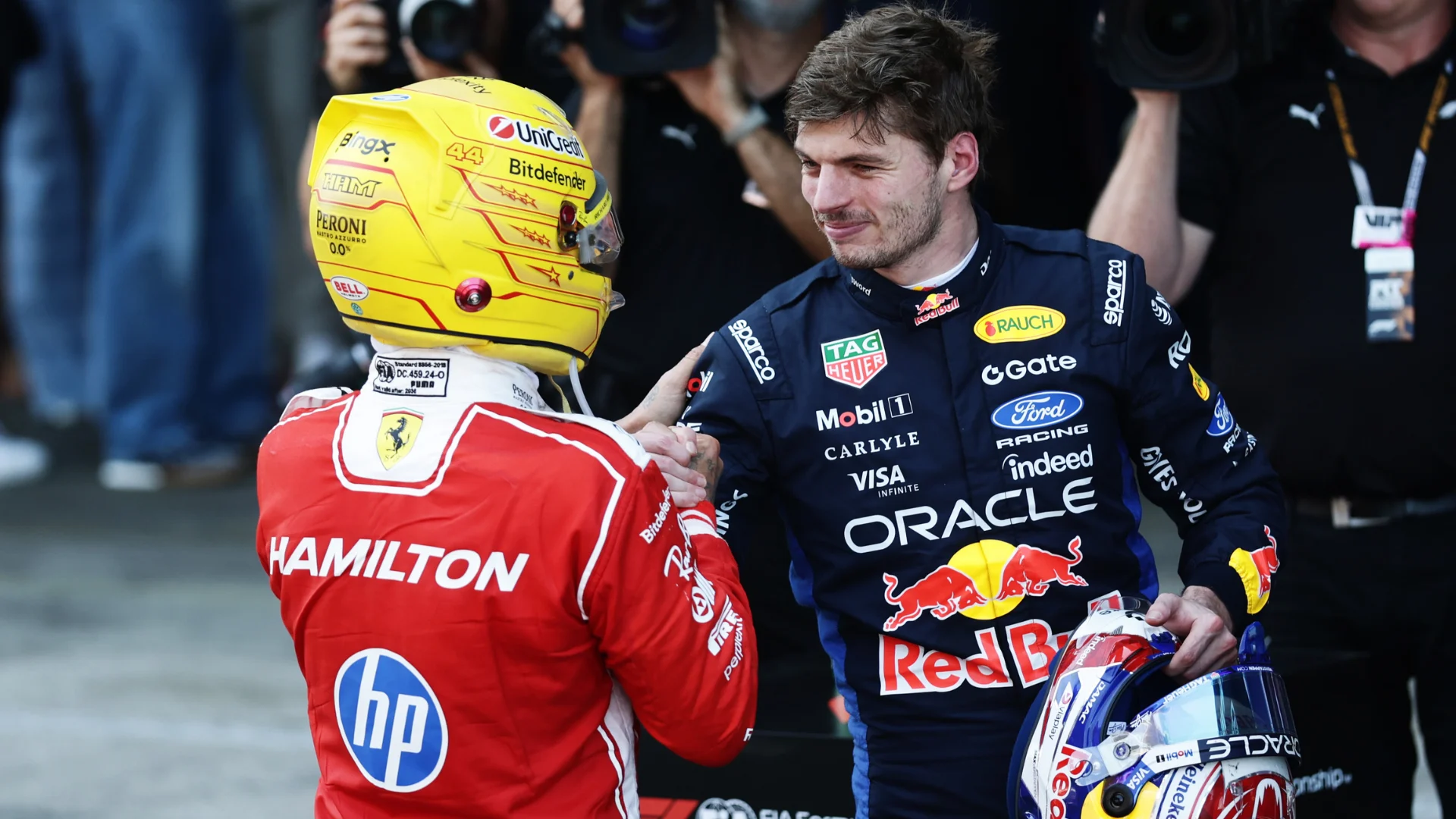
Congratulations from competitors like George Russell acknowledge Hamilton’s enduring threat, highlighting the respect for his work ethic and the intense competition at the sport’s apex. This dynamic can influence future team strategies and driver pairings across the grid.
The narrative of a ‘living legend’ overcoming challenges with an ‘iconic team’ generates significant media interest and fan engagement. This heightened visibility translates directly into increased media rights value, enhanced sponsorship appeal, and amplified merchandise sales, benefiting the entire Formula 1 ecosystem.
Financially, a resurgent Ferrari, spearheaded by a high-profile winner, significantly boosts brand equity and market perception. Improved performance often correlates with increased investor confidence and lucrative commercial partnership opportunities, underscoring the economic leverage of on-track success.
Sponsors associated with Ferrari and Hamilton gain amplified exposure through a powerful narrative of perseverance and triumph. This strengthens their brand association with excellence and resilience, maximizing their marketing return within a globally recognized sport.
The historical context of Hamilton becoming the oldest winner since 1970 adds significant gravitas, burnishing his individual legacy and enriching Formula 1’s historical tapestry. This achievement draws parallels to past eras of sporting greatness, reinforcing the sport’s enduring intergenerational appeal.
Strategic Trajectory and Industry Leadership
The Barcelona victory marks a critical inflection point for Ferrari’s long-term strategic trajectory and Hamilton’s final F1 chapter. It validates substantial investments in developing a championship-caliber package and integrating a driver of Hamilton’s stature.
This success reaffirms Ferrari’s institutional commitment to excellence and its strategic imperative to compete at the pinnacle of motorsport. It provides crucial momentum for ongoing car development, talent retention, and attracting future engineering and driving talent—key components of sustained competitive advantage.
For the broader Formula 1 industry, the narrative of a veteran champion achieving new heights with a storied team injects vital dynamism and storytelling depth. This enhances the sport’s entertainment value, attracting new audiences and solidifying existing fan engagement—fundamental for global commercial growth and media appeal.
The journey from 2025’s challenges to 2026’s triumph offers a compelling case study in strategic patience and adaptive management within elite sports. It demonstrates that high-stakes personnel decisions, even with initial setbacks, can yield significant dividends through continuous operational refinement and unwavering commitment to a long-term vision.
Ultimately, Hamilton’s Barcelona win transcends individual achievement, serving as a powerful testament to strategic foresight, operational resilience, and cultural significance within Formula 1. It underscores how the synergy of driver talent, engineering prowess, and strategic decision-making continues to shape the competitive landscape and define legacies within this iconic motorsport institution.