The 2026 FIFA World Cup Round of 16 clash in Atlanta delivered one of the tournament’s most volatile tactical scripts. Argentina, the reigning champions, narrowly averted a historic exit by staging a late three-goal comeback to defeat Egypt 3-2. This fixture exposed structural vulnerabilities in the Argentine transition defense while showcasing the defensive organization of Egypt’s emergent program.
The Tactical Blueprint of Egypt’s Low Block
Entering the match as decisive underdogs in their first-ever World Cup knockout appearance, Egypt deployed a highly disciplined mid-to-low defensive block that disrupted Argentina’s possession-heavy 4-3-3. The tactical execution yielded immediate dividends. Yasser Ibrahim opened the scoring by converting a precise cross from Marwan Attia, marking the first time Argentina had trailed in a World Cup fixture since their 2022 opening match against Saudi Arabia.
Egypt’s structural discipline allowed them to absorb sustained pressure and exploit space in behind Argentina’s advanced fullbacks. This counter-attacking efficiency was validated in the 67th minute when Mostafa Zico capitalized on a sweeping transition to double Egypt’s lead, leaving the defending champions on the brink of elimination.
The Statistical Anomaly of Messi’s Penalty Conversion
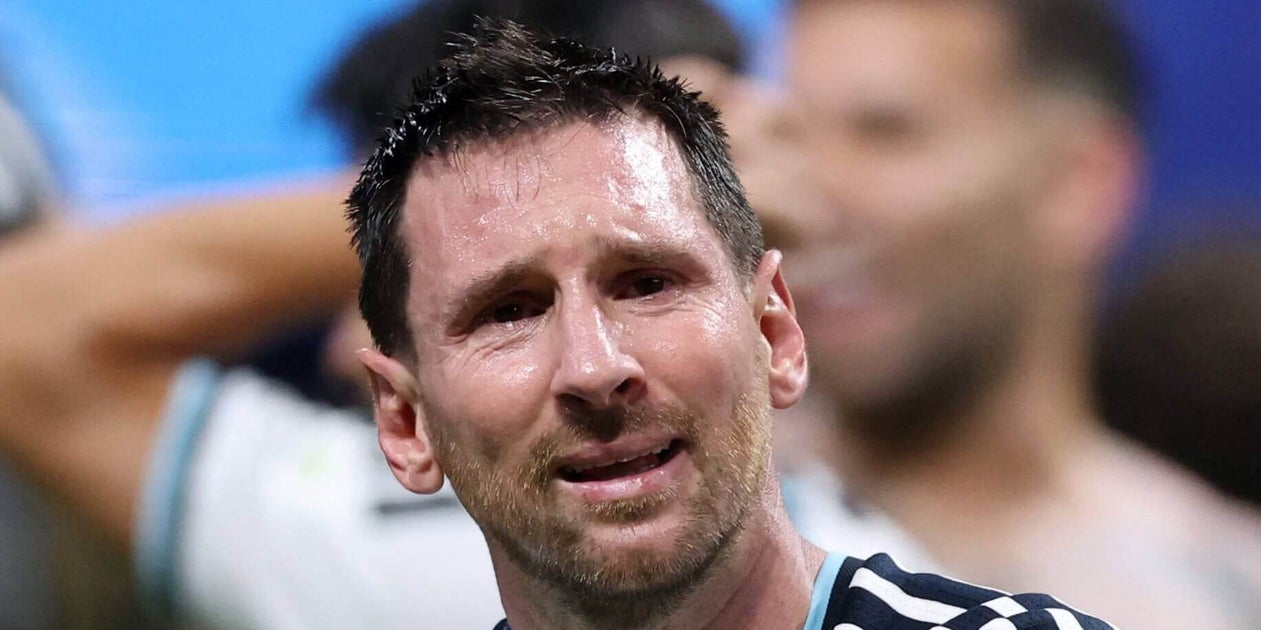
A critical statistical turning point occurred in the first half when Argentina was awarded a penalty. Lionel Messi failed to convert the spot-kick, continuing a highly unusual trend in his international career. This miss represents his fourth failed penalty out of eight attempts during regulation play at World Cups, excluding shootouts.
This 50 percent conversion rate highlights a clear operational vulnerability for Argentina in high-pressure knockout scenarios. While Messi remains elite in open-play creation, this statistical deficit from the spot introduces tactical uncertainty for coaching staffs in knockout phases where matches are decided by thin margins.
Anatomy of the Argentine Remontada
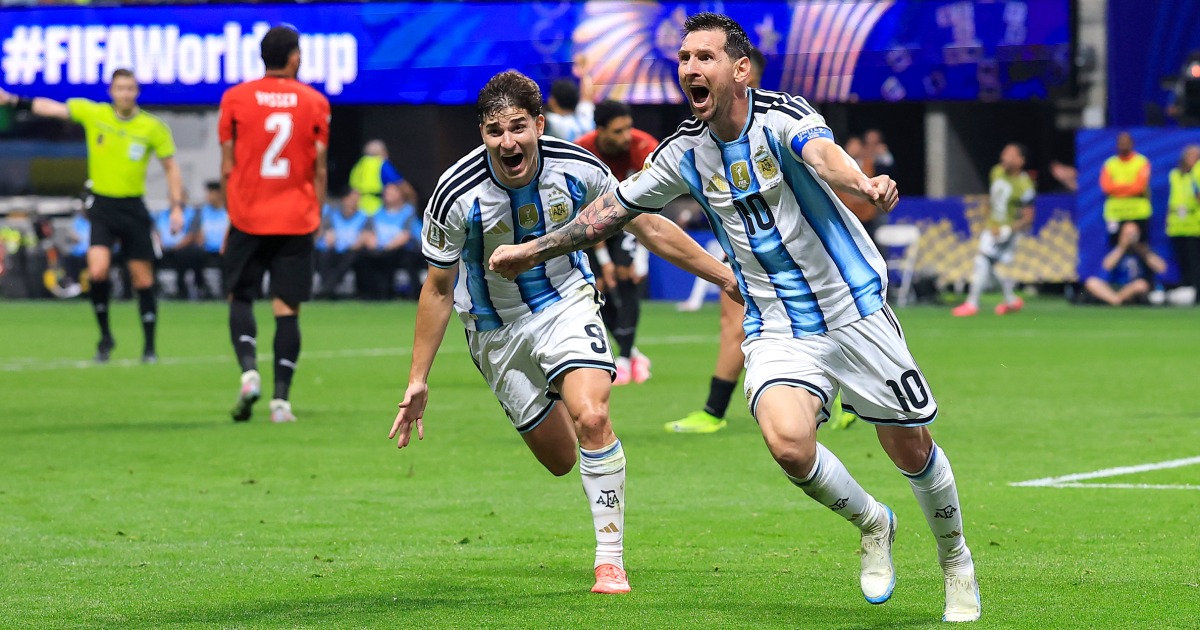
With only 11 minutes of regulation time remaining, Argentina altered their attacking shape to overload the penalty box. In the 79th minute, Messi delivered a high-expected-assist (xA) cross into the area, which was headed home by defender Cristian Romero to make it 2-1.
Four minutes later, in the 83rd minute, Messi equalized with a first-time strike off the underside of the crossbar—his eighth goal of the tournament. This rapid succession of direct attacking actions dismantled Egypt’s defensive shape, leading shortly to a third Argentine goal that completed the 3-2 comeback.
Broadcast and Commercial Implications of the Atlanta Matchup
For global broadcasters and rights holders, Argentina’s advancement preserves significant commercial value. The presence of marquee athletes directly drives post-match digital engagement, particularly across rapid-turnaround four-minute and five-minute video highlights. The dramatic broadcast, called by commentators Derek Rae and Rob Green, highlighted the entertainment contrast of the tournament; the high-scoring affair in Atlanta stood in stark opposition to Switzerland’s scoreless draw and subsequent 4-3 penalty shootout victory over Colombia.
For the Egyptian Football Association, despite the heartbreaking defeat, the performance establishes a blueprint for future investment. Competing evenly with the world champions provides institutional leverage for corporate sponsorship and youth infrastructure development, proving the narrowing gap between traditional footballing powers and emerging nations.