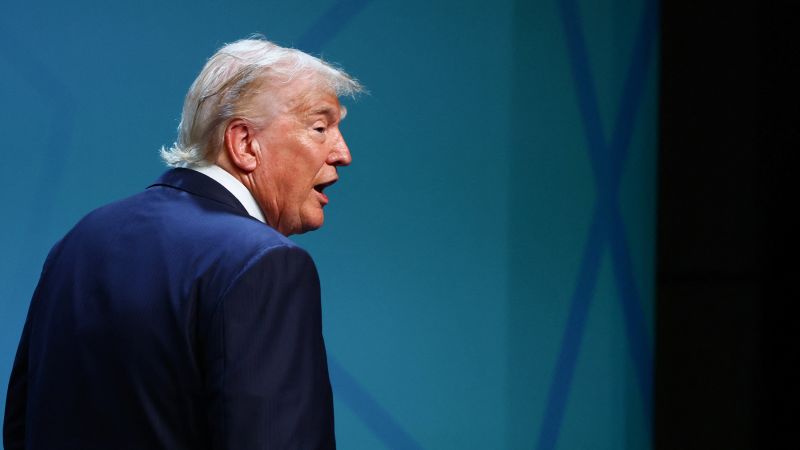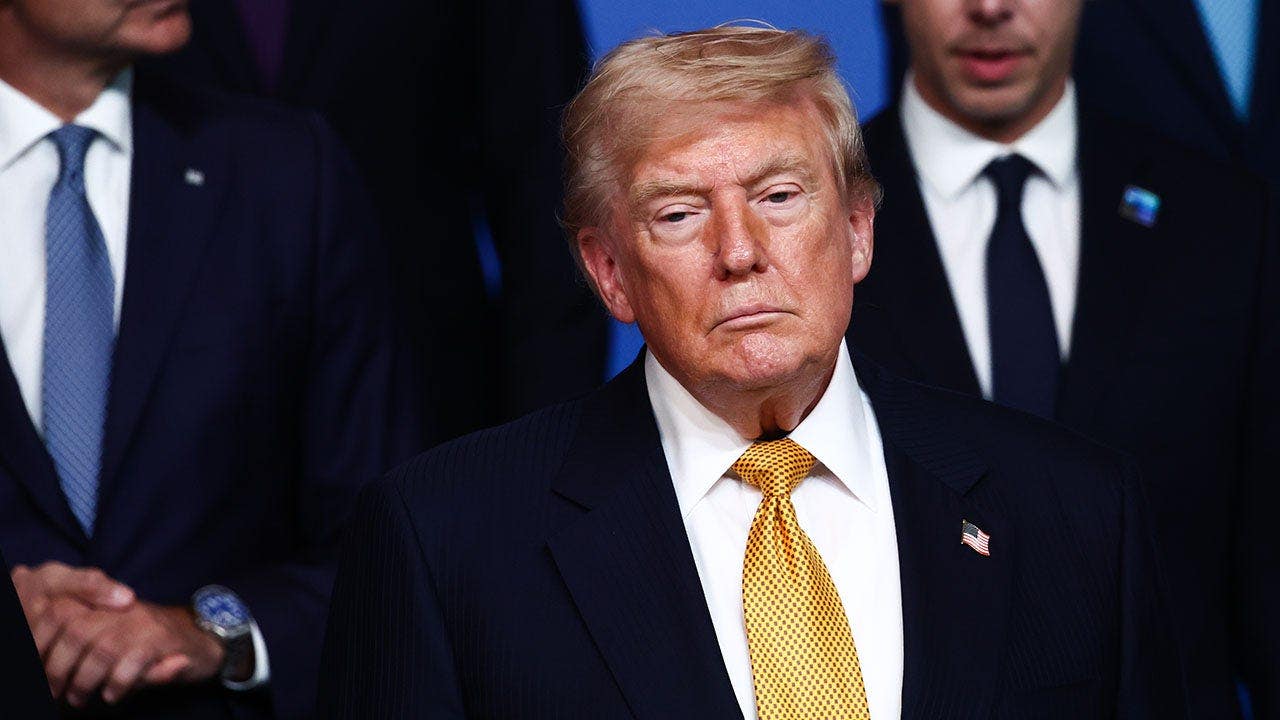
The NATO summit in Ankara has exposed critical fractures within the Atlanticist architecture, as President Trump leveraged the international stage to transition the alliance toward a mercantilist defense posture. This shift replaces traditional consensus with a series of ‘loyalty tests,’ specifically regarding territorial ambitions in the Arctic and operational alignment in the Middle East. The resulting friction underscores a fundamental divergence between Washington’s unilateral objectives and the established sovereign protocols of European partners.
The Arctic Pivot: Greenland as a Geostatistical Asset
The U.S. executive branch’s interest in Greenland represents a calculated strategic pivot intended to counter the intensifying presence of Russia and China in the High North. By framing the island’s acquisition as a security imperative, the administration challenges the administrative framework of Denmark, which currently manages the autonomous territory’s defense and foreign policy. This move transforms Greenland from a Danish dependency into a focal point of great power competition, forcing Nordic allies to reconcile American security guarantees with national territorial integrity.
Copenhagen’s resistance highlights a systemic rift regarding resource management and international law. The U.S. argument—that Danish oversight is insufficient against Eastern expansionism—serves to redefine the northern flank’s parameters. This pressure introduces institutional instability, as it suggests that the inviolability of member state borders may now be subject to the strategic utility of the alliance’s primary contributor.
Operational Bottlenecks and Persian Gulf Divergence
The refusal of Spain to grant base access for Middle Eastern operations illustrates a growing interoperability crisis within NATO. This bottleneck restricts U.S. power projection into the Mediterranean and Persian Gulf, revealing the limitations of bilateral accords when regional threat perceptions differ. Following the collapse of the short-lived Tehran accord and subsequent maritime strikes in the Strait of Hormuz, the administration’s demand for a unified front against Iran has become a primary metric for allied commitment.
European capitals remain wary of escalatory maneuvers, preferring diplomatic de-escalation to the administration’s ‘maximum pressure’ tactics. By characterizing non-compliance as a failure of the cooperative mission, the U.S. is pressuring allies to assume risks in theaters traditionally outside the scope of Article 5. This tension exposes a vulnerability: the alliance’s inability to coordinate out-of-area operations without total consensus on the primary adversary.
Volatility as Diplomatic Leverage
The admission that public rhetoric was a deliberate test of allied resolve introduces a high degree of unpredictability into North Atlantic Council norms. The strategy of public lambasting followed by private restraint utilizes political volatility to identify which partners will prioritize U.S. interests under duress. This dual-track diplomacy creates a climate of strategic uncertainty, where public threats of withdrawal serve as transactional leverage to extract concessions on defense spending and territorial access.
While no formal withdrawal was initiated in Ankara, the shift from treaty-based certainty to performance-based contingency fundamentally alters the power dynamics of the alliance. The fear of a U.S. exit remains a potent catalyst for European defense integration, yet it simultaneously erodes the foundational trust required for long-term intelligence sharing and collective strategic planning. The Ankara summit confirms that the era of reflexive transatlantic alignment has transitioned into one of conditional participation.