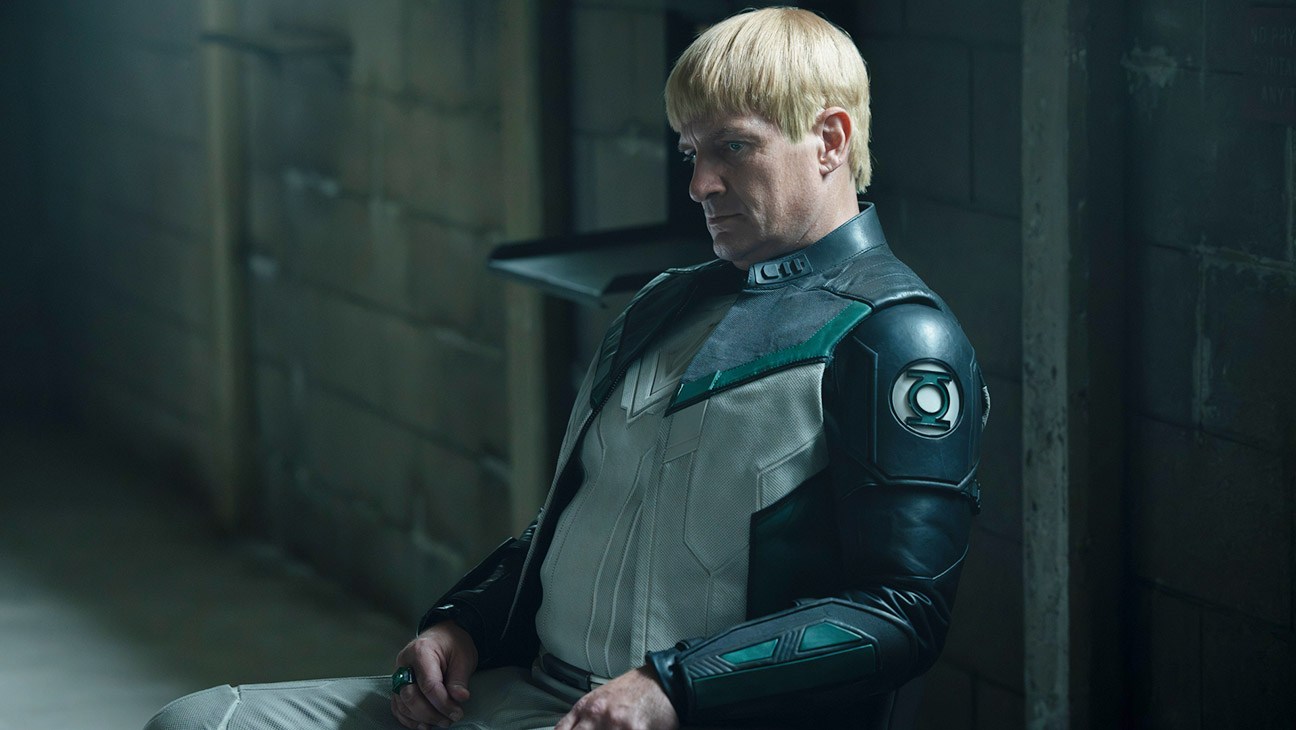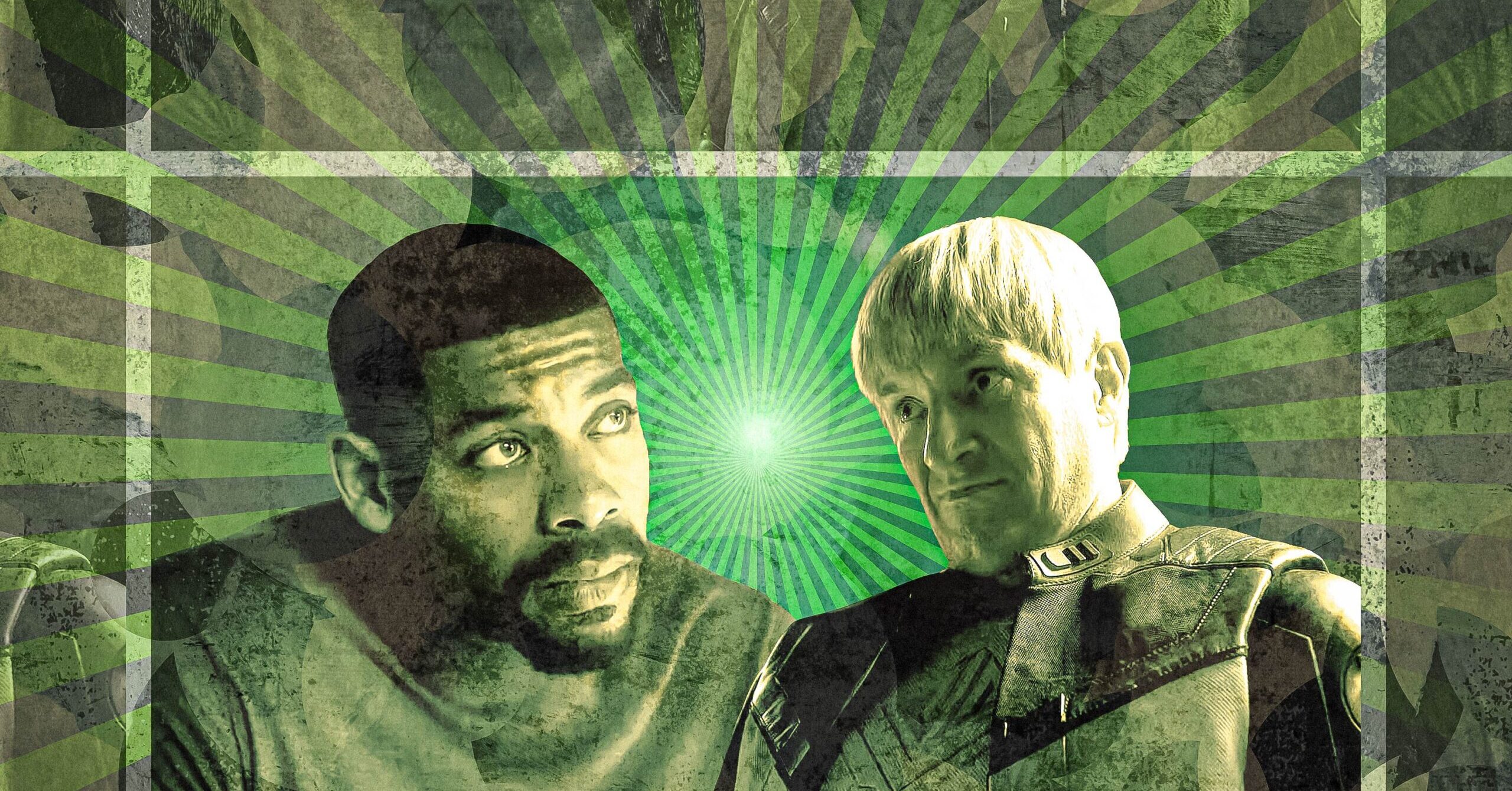
Editorial synthesis reveals that the sixth installment of HBO’s Lanterns introduces a structural pivot, marrying procedural investigation with broader cinematic universe continuity. By deploying a backup consciousness mechanism for the deceased Hal Jordan, the narrative retains actor Kyle Chandler’s operational presence while preserving the terminal stakes established in the series premiere. This device ensures that the investigative dynamic between Jordan and John Stewart, played by Aaron Pierre, evolves rather than terminates following Jordan’s initial death.
Through the first five episodes, the production maintained a deliberately insular tone, favoring an earthy aesthetic reminiscent of gritty crime dramas over intergalactic spectacle. The single geographical nod to Gotham City served as the sole tether to wider comic book lore, insulating the narrative from shared universe fatigue. However, the opening dialogue of Episode 6 shatters this containment strategy by referencing metropolitan catastrophe and public policy failures following extra-terrestrial incursions.
Temporal Shifts and Strategic Realignment
The narrative architecture undergoes alteration via a ten-year temporal jump, repositioning the protagonists within a changed socio-political and economic landscape. John Stewart’s transition from a prospective Green Lantern to a civilian architect pursuing government contracts illustrates the pragmatic consequences of systemic institutional collapse and the destruction of Rushville. This gap provides the series with a mature thematic framework, contrasting past idealism with present-day post-disaster reconstruction efforts.
The dialogue frames intergalactic threats through an economic and security lens, juxtaposing Metropolis’s idealized response models against the firepower-reliant strategies of municipalities lacking a dedicated protector. Such framing elevates the discourse to an exploration of municipal defense economics and institutional risk management. Stewart’s architectural pursuits and pitch meetings in Midway City ground the fantastical elements within recognizable bureaucratic and commercial realities.
Cross-Platform Continuity and Creative Alignment
The integration of elements from adjacent cinematic properties, such as Nathan Fillion’s portrayal of Guy Gardner, tests the elasticity of the overarching franchise architecture. Co-creators Chris Mundy, Damon Lindelof, and Tom King navigate this tonal tightrope by allowing distinct aesthetic and behavioral profiles to coexist without enforcing a homogenized house style. Fillion’s commentary indicates an industry shift toward stylistic compartmentalization, where individual projects dictate their own visual parameters.
This decentralized approach allows performers to inhabit vastly different stylistic registers, ranging from Gardner’s distinct personal presentation to the austere, procedural discipline of Stewart and Jordan. By refusing to flatten these creative variances, DC Studios establishes a production model mirroring multi-author comic book imprints rather than traditional serialized television formulas. Consequently, the operational success of Lanterns relies on sustaining a grounded investigator dynamic while acknowledging the larger ecosystem of its parent intellectual property.
Institutional and Narrative Consequences
The deployment of Hal Jordan’s backup consciousness functions as a mechanism for maintaining institutional memory within the investigative plot. With the original Jordan deceased and his physical remains exhumed, the digital remnant provides crucial continuity for solving the primary murder mystery. This dynamic redefines the partnership between the veteran investigator and his former trainee, establishing a psychological interplay built on prior mentorship and sudden loss.
The convergence of local civic ambitions, such as government procurement contracts, with high-stakes interstellar fallout creates a multi-layered narrative environment appealing to an informed viewership. By anchoring science fiction elements within tangible economic and political consequences, the series avoids abstract detachment. The strategic evolution observed in Episode 6 demonstrates how serialized adaptations successfully balance internal character development with expansive universe obligations.