
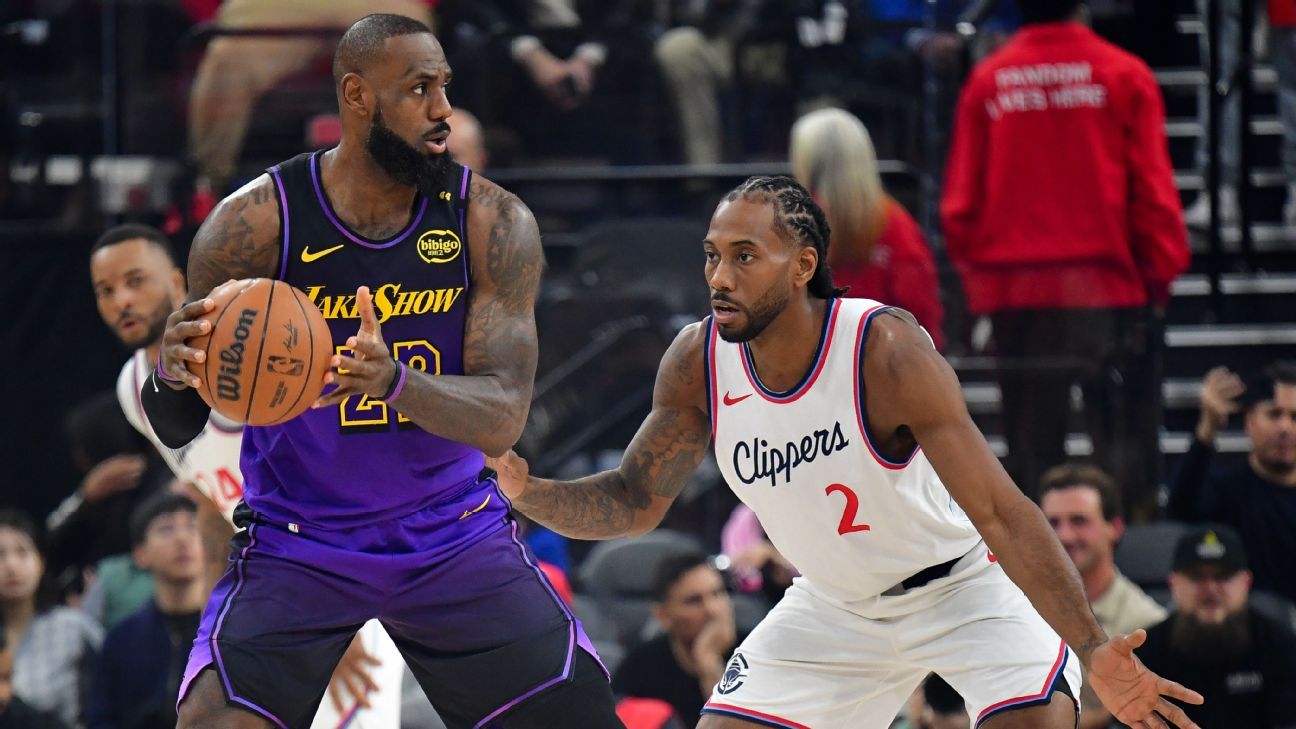
The NBA’s swift return from the All-Star break immediately shifts focus to securing playoff positioning, transforming the remaining schedule into a high-leverage contest where marginal gains dictate seeding outcomes.
Western Conference Seeding Volatility: The 3rd to 7th Seed Compression
The operational reality in the West is defined by extreme competitive parity among the middle seeds. The gap separating the 3rd through 7th seeds is narrowly concentrated, often by only a few games, directly threatening guaranteed homecourt advantage in potential seven-game series.
For teams within this tight cluster, failure to secure a top-four seed translates directly into navigating the punishing play-in tournament or facing superior seeding from Round 1, significantly increasing projected elimination probability.
Minnesota’s Strategic Maneuver: Mitigating Seeding Risk
The Minnesota Timberwolves, seeking to convert consecutive conference finals appearances into Finals contention, executed a calculated trade deadline move by acquiring Ayo Dosunmu. This acquisition targets the specific deficiency of relying solely on primary initiators against elite playoff defenses.
Dosunmu’s Advanced Metrics as a Catalyst
Dosunmu’s reported efficiency—averaging 15.0 PPG on an elite 63.7% True Shooting Percentage (TS%) while shooting 44.7% from three on high volume—is analytically significant. This efficiency in a secondary role directly enhances offensive ceiling by drawing defensive attention away from primary stars like Anthony Edwards. This strategic addition provides necessary ballast against focused defensive adjustments common in playoff formats.
Global Media Strategy and Competitive Validation
The scheduling of high-stakes matchups, notably broadcast on international platforms like Disney+ in the Philippines, underscores the league’s investment in maximizing global viewership during this narrative zenith. This international exposure validates the competitive intensity of the conference, directly impacting the valuation of future international media rights.
The Imperative of Proactive Roster Building
Minnesota’s move for Dosunmu signals an aggressive timeline assessment: internal development alone was deemed insufficient. The trade prioritizes acquiring a specific, metrics-backed skill set (efficient scoring) as the crucial missing component for championship viability. Conversely, the Bulls’ decision to trade such an efficient asset suggests a pivot toward future asset accumulation or cap flexibility.
The Operational Cost of Inaction
Teams within the 3-7 bracket that remained static at the deadline have effectively ceded tactical advantage. In a market where marginal performance compounds over the final 20 games, inaction is a strategic retreat, increasing vulnerability to competitors who successfully augmented their rosters.
Performance Benchmarking Under Duress
The immediate post-All-Star slate serves as a critical benchmark. Minnesota will be evaluated on whether Dosunmu’s efficiency sustains against fully prepared, playoff-caliber scouting reports. This phase tests the fundamental assumption of player fit and scheme compatibility made during the trade negotiation.
Photo by admomediaoffice on Pixabay.