Strategic Disruption: The Erosion of Canadian Dominance in Cortina
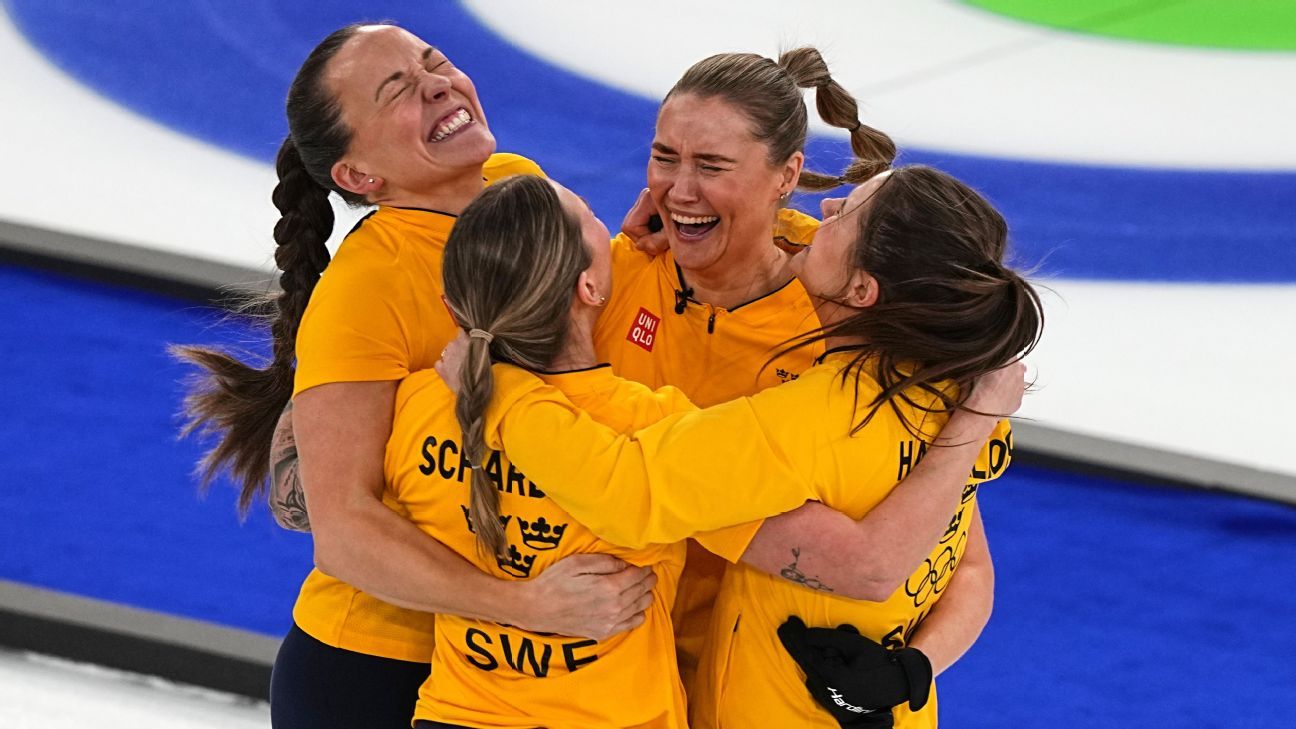
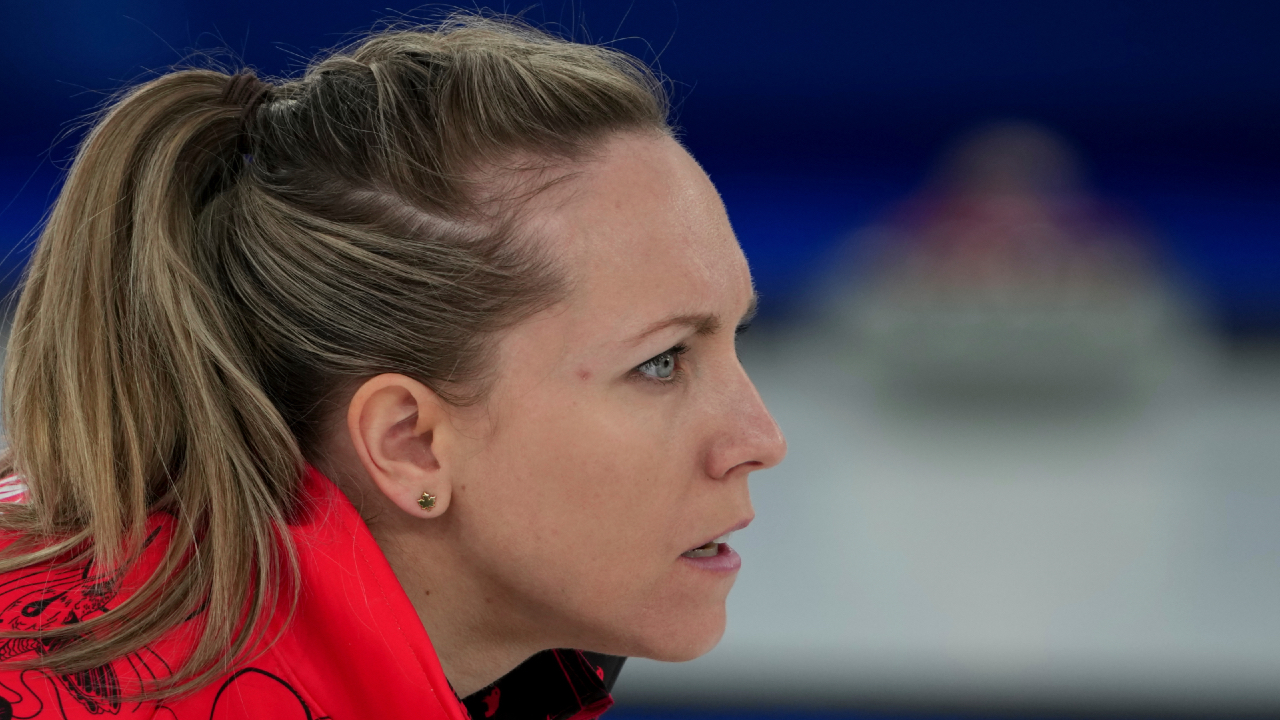
The elimination of Rachel Homan’s top-ranked Canadian rink in the 2026 Winter Olympic semifinals marks a profound shift in the international curling hierarchy. Despite entering the Games with a dominant 191-27 multi-year record and consecutive international titles, Canada succumbed 6-3 to Sweden. This result exposes a critical vulnerability: an inability to recalibrate tactical delivery to the specific environmental variables of the Cortina D’Ampezzo ice, which athletes characterized as significantly less reactive than the standard professional circuit.
For a program operating under a ‘gold-or-bust’ institutional mandate, this failure triggers an immediate strategic review. The discrepancy between Team Homan’s 1-3 tournament opening and their subsequent recovery suggests a misalignment in peak performance cycling relative to the Olympic schedule. In a high-altitude venue where technical variables deviate from the predictable friction of the Grand Slam circuit, Canada’s aggressive system proved brittle against Sweden’s adaptive counter-play.
Technical Volatility and Cryospheric Variables
The semifinal narrative was dictated by ‘straighter’ ice conditions, which compressed the tactical margin for error. In elite curling, the degree of ‘swing’ determines a skip’s ability to navigate guards or execute precision freezes. When the ice runs straight, high-weight, direct hits become the high-percentage option—a style masterfully executed by Sweden’s Anna Hasselborg. Homan’s post-match acknowledgment of being ‘on the wrong side of the inch’ underscores how minor physical deviations in the playing surface can neutralize statistical superiority.
The European Tactical Hegemony: Sweden and Switzerland’s Peaking Strategy
Sweden’s victory reaffirms a historical pedigree that transcends current world rankings. Entering at No. 12, Hasselborg’s squad demonstrated the ‘peaking phenomenon’—the ability to optimize execution specifically for the four-year Olympic window. By maintaining a defensive posture and forcing Canada into high-risk maneuvers, Sweden neutralized a team that had defeated them in all three previous meetings this season. This performance highlights the limitations of rankings as a predictive metric in single-elimination Olympic formats.
Simultaneously, Silvana Tirinzoni’s Swiss rink maintained its era of structural excellence with a 7-4 victory over the United States. Switzerland’s success is the result of a developmental model prioritizing tactical discipline and high-percentage end-management. For the U.S., the loss signals a persistent performance ceiling against the world’s two most consistent programs, ensuring that for the first time in recent history, the gold medal match will be an exclusively European affair.
Institutional Pressure and Economic Implications
The exit of the Canadian women’s team shifts immense burden onto the men’s program to avoid a total medal shutout for the world’s most prominent curling nation. This vacuum of North American representation also carries commercial weight; historically, Olympic curling viewership in Canada peaks during national medal appearances. A Sweden-Switzerland final reflects the leveling of the global field, where European investment in specialized coaching and ice-reading technology has effectively eroded the historical advantage once held by North American rinks.
Operational Agility over Historical Records
The 2026 semifinals demonstrate that cognitive and operational agility—specifically the speed at which a team deciphers the physical realities of the venue—is now the primary determinant of Olympic success. As the competition moves toward the gold medal match, the focus shifts to how ice technicians and athletes manage the surface. The upcoming final between Hasselborg and Tirinzoni is not merely a contest for gold, but a benchmark for the current peak of global tactical curling excellence.