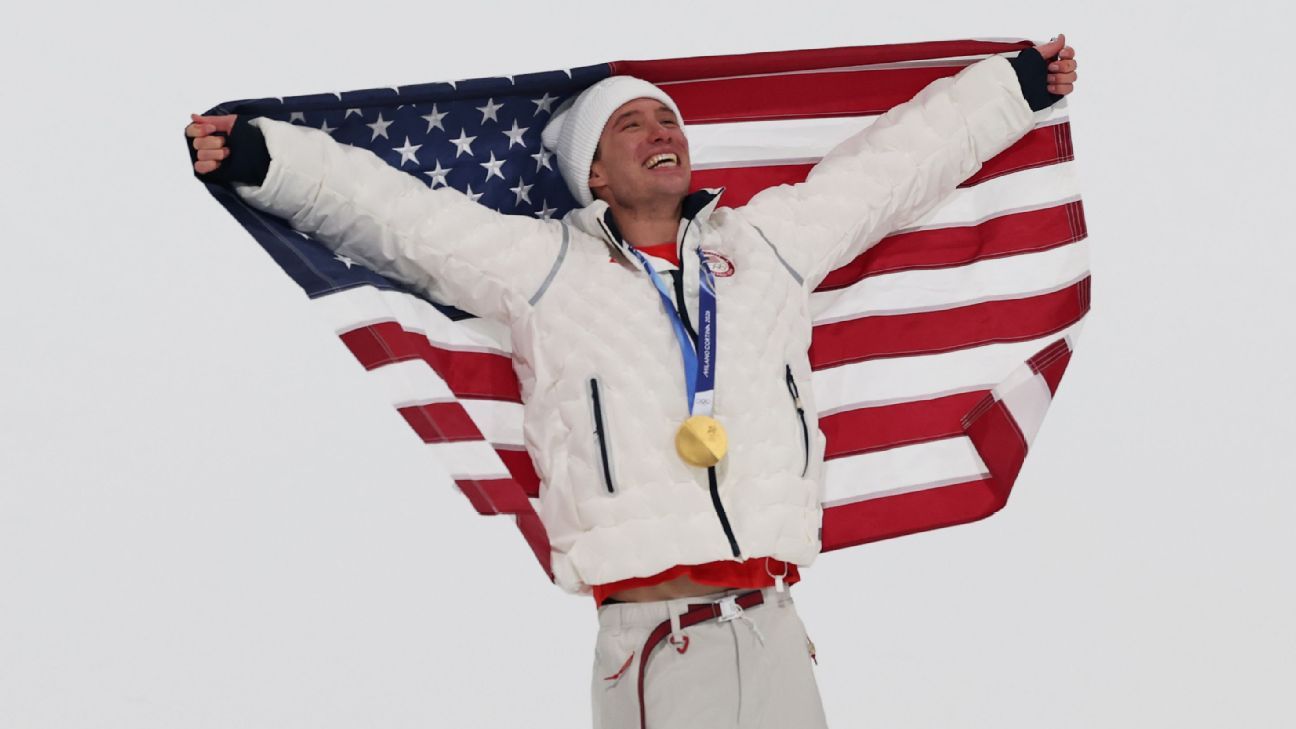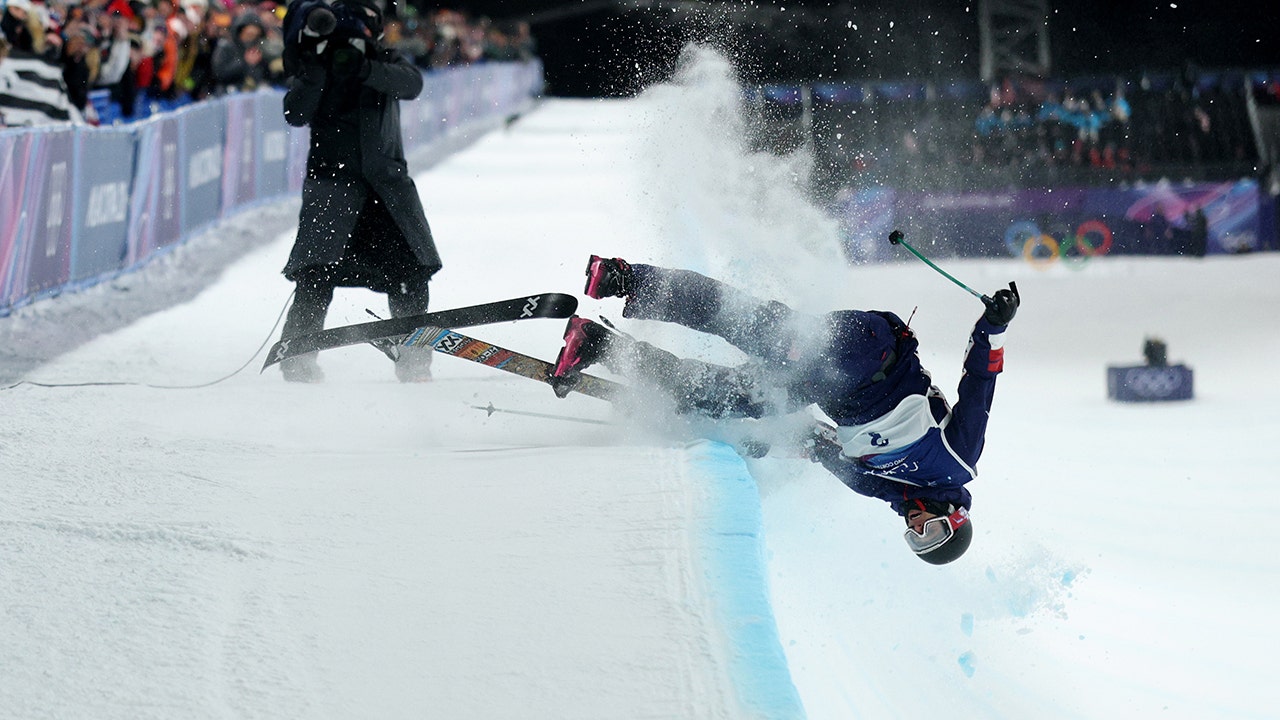
The 2026 Winter Olympics men’s freestyle skiing halfpipe final served as a high-stakes case study in competitive risk management, vividly illustrating the razor-thin margins separating established veteran success from immediate competitive displacement.
Strategic Divergence: Consistency vs. Maximalism
Alex Ferreira secured gold (93.75) via a display of execution reliability across his competitive slate, culminating a career arc that his team termed the completion of a “rainbow” of Olympic achievements. This victory signals sustained peak performance capability at age 31, challenging established timelines for dominance in high-impact sports.
Conversely, Nick Goepper, attempting a significant late-career pivot from slopestyle to halfpipe, demonstrated the high-variance strategy inherent in chasing validation for such a pivot. His final run, requiring a substantial score increase, necessitated maximum technical difficulty, which resulted in a significant fall.
Operational Failure and Scoring Mechanics
Goepper’s crash led to a Did Not Improve (DNI) designation, an operational constraint that instantly nullified any potential score adjustment, relegating him to fourth place behind Brendan MacKay, who successfully capitalized on the resulting vacancy to secure bronze.
This dynamic highlights a critical structural element: the competition mandates that athletes must maintain technical integrity on the final attempt, as a DNI carries a binary outcome—either improvement or the status quo. Goepper’s failure to execute the necessary amplitude resulted in a hard landing that invalidated the entire run’s potential value.
Career Trajectory and Institutional Investment
For Goepper, a decorated veteran attempting his fourth Games in a new discipline, the near-miss underscores the high capital investment required for successful mid-career specialization shifts. This performance data will inform U.S. Ski & Snowboard resource allocation, weighing the narrative impact of veteran ambition against the proven consistency of gold medalists like Ferreira.
Ferreira’s structured success validates long-term development pathways focusing on execution reliability, contrasting with Goepper’s attempt to bridge historical achievement with immediate, high-risk mastery in a new technical domain. The narrow scoring gaps among the top three finalists confirm that success hinges on minimizing subjective execution errors within tight technical windows.
Media Framing and Sport Perception
The media coverage effectively utilized the juxtaposition: Ferreira’s sustained excellence against Goepper’s visible, high-consequence failure. This narrative tension is crucial for maintaining spectator engagement and securing future sponsorship capital by emphasizing the inherent danger and technical demand of elite freestyle skiing.