Arkansas Senate Race Intensifies: Poll Reveals Tight Contest within Margin of Error
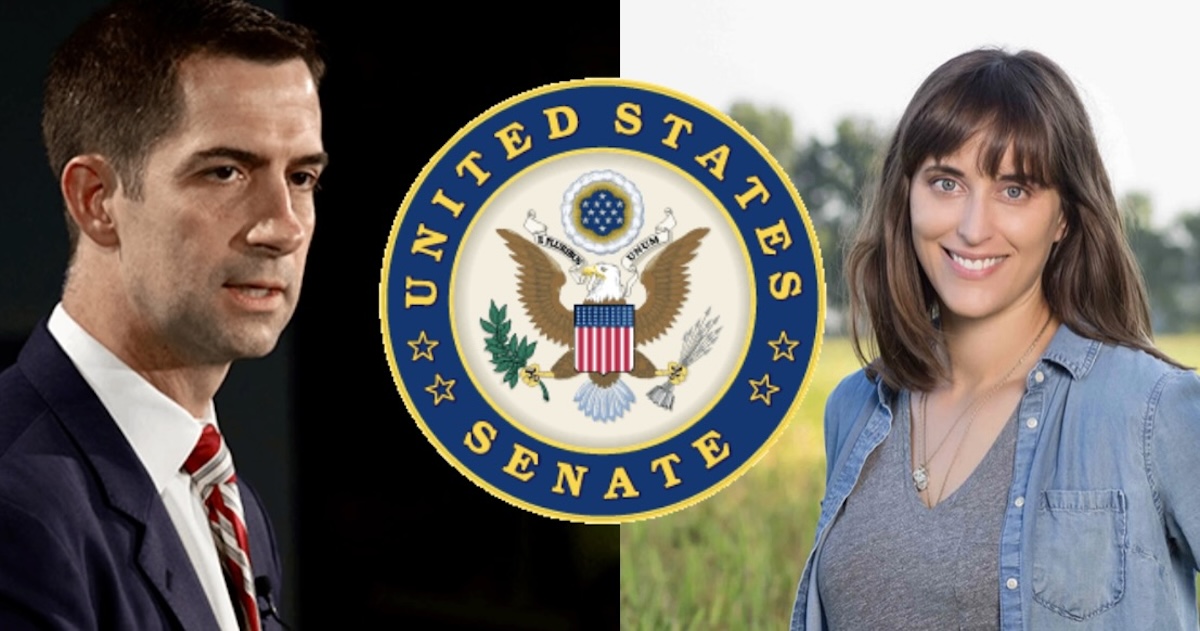
The race for the U.S. Senate seat in Arkansas has tightened considerably, with Democratic candidate Hallie Shoffner establishing a narrow lead over incumbent Republican Senator Tom Cotton. The latest Talk Business & Politics-Hendrix College Poll indicates the contest is within the survey’s margin of error, signaling a highly competitive electoral battleground that could challenge established political dynamics in the state.
The poll, which surveyed 1,217 likely voters from August 11-12, 2026, found Shoffner with 47.4% support compared to Cotton’s 44%. Libertarian candidate Jeff Wadlin garnered 3% support, while 5.6% of respondents remained undecided. This distribution highlights a significant portion of the electorate yet to finalize their choice, suggesting potential for shifts in the final electoral outcome.
Campaign Dynamics and Financial Stakes
Current polling data reflects a fluid electoral environment where voter allegiances are not yet solidified. The substantial financial investment anticipated for this race underscores its high stakes and suggests an aggressive campaign season. This influx of funding is expected to drive increased advertising and ground operations from both campaigns, aiming to sway undecided voters and energize their respective bases.
Roby Brock, Editor-in-Chief of Talk Business & Politics, commented on the race’s competitive nature, emphasizing the critical need for extensive messaging to solidify voter preferences. His insight highlights the strategic imperative for candidates to effectively articulate their platforms and differentiate themselves. The anticipated significant financial commitment from external groups and party apparatuses suggests a strong national interest in this Senate seat, likely leading to amplified campaign messaging and voter turnout efforts.
On-the-Ground Campaigning and Candidate Messaging
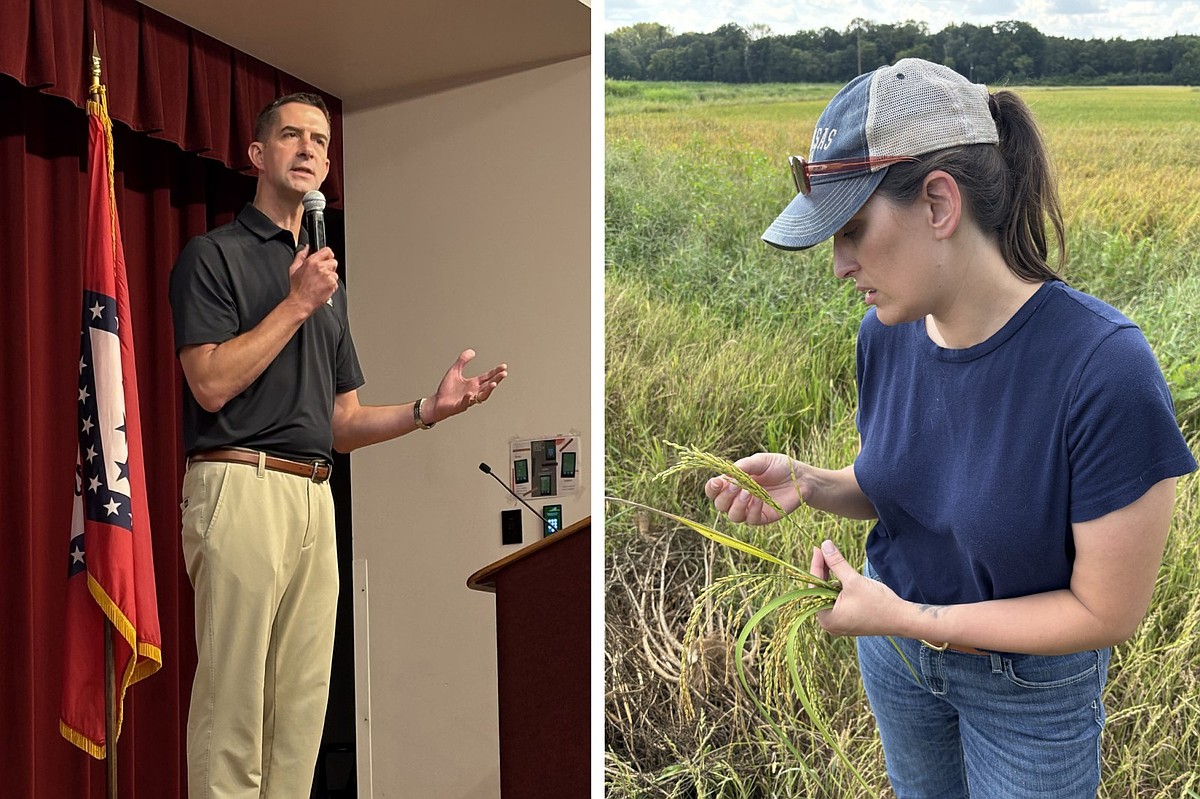
Hallie Shoffner’s campaign narrative has emphasized a connection to the practical realities faced by Arkansans, exemplified by her personal anecdotes about vehicle wear and tear. Her travels through rural areas like Woodruff County, symbolized by references to gravel roads and windshield cracks, serve as a tangible representation of her engagement with the state’s diverse communities. This focus on authenticity and relatability is a critical campaign strategy, particularly in states with significant rural populations where direct engagement can be highly impactful in building trust and demonstrating an understanding of constituents’ everyday concerns.
This approach aims to counter incumbency advantages by showcasing a candidate attuned to the operational challenges and daily lives of voters in less urbanized areas. Such on-the-ground authenticity can foster a perception of understanding and shared experience, differentiating a challenger from potentially more detached political figures.
Strategic Implications of a Close Race
The narrow margin between the leading candidates necessitates a highly targeted campaign strategy. Campaigns must focus on mobilizing undecided voters while reinforcing existing support bases. The substantial bloc of undecided voters presents both an opportunity and a challenge, requiring sophisticated messaging designed to appeal to a broader electorate without alienating core supporters. Refining outreach to capture these crucial votes will be paramount in the final stretch.
The significant financial resources expected to flow into Arkansas signal national party committees’ and interest groups’ recognition of this race’s potential impact on the broader Senate balance. This external investment will likely amplify campaign advertising across various media, potentially influencing voter perceptions through increased saturation. The allocation of these resources will be a key indicator of national party priorities and their assessment of the Arkansas Senate seat’s strategic importance.
Third-Party Influence and Voter Mobilization
The presence of a third-party candidate, even with limited support, can play a pivotal role in a close election. Libertarian candidate Jeff Wadlin’s 3% support, while seemingly minor, could prove decisive if the final margin between Cotton and Shoffner remains within the poll’s margin of error. Campaigns must account for the potential vote diversion from third-party candidates and adjust their outreach strategies accordingly.
The 5.6% undecided voter bloc represents a critical target for both campaigns. The messaging and ground game deployed in the final weeks will be crucial for swaying these voters. Strategies will likely involve a combination of broad appeal messages and targeted outreach to specific demographic or geographic segments perceived as persuadable.
Media Strategy and Narrative Control
The substantial financial investment anticipated will translate into significant media spending across diverse platforms, including television, radio, digital media, social media, and direct mail. Narrative control and message framing will be paramount as campaigns strive to define their opponents and solidify their own positive image in the public consciousness.
Talk Business & Politics’ commitment to ongoing polling until early voting commences underscores the dynamic nature of this election. This continuous monitoring enables strategic adjustments in campaign messaging, resource allocation, and targeted outreach based on evolving public opinion and the effectiveness of competing messages. The media’s role in reporting these shifts and analyzing campaign tactics will be crucial in shaping public discourse and informing voters.
Structural Underpinnings of Arkansas Politics
The competitiveness of this Senate race, despite Arkansas’s historical Republican leanings, suggests a potential shift or at least a significant challenge to the established political order. Factors such as demographic changes, evolving voter priorities, and the effectiveness of individual candidate campaigns can contribute to a tightening of partisan margins.
While incumbency typically offers advantages like name recognition and a track record, a strong challenger with effective messaging and organization can erode this advantage. The financial resources available to both candidates will be critical in their ability to disseminate their message and counter their opponent’s narrative, especially in states with fragmented media markets.
Economic and Social Factors Influencing Voter Choice
Underlying economic and social factors invariably influence voter decisions. Issues such as employment, inflation, healthcare access, and social policies often form the bedrock of campaign platforms and voter concerns. The candidates’ ability to address these issues in a manner that resonates with Arkansas voters will be a key determinant of their success.
The campaign’s focus on rural outreach, exemplified by Shoffner’s travels, highlights the importance of addressing the specific economic and social needs of these communities. These areas often face distinct challenges related to infrastructure, agricultural economies, and access to services, which candidates must acknowledge and propose solutions for to gain support.
Institutional Leverage and Campaign Operations
The involvement of national party organizations and political action committees (PACs) is a significant institutional factor in Senate races. These entities provide crucial financial backing, strategic advice, and organizational support, amplifying a candidate’s reach and operational capacity. The extent of this external support will indicate how critical this seat is perceived to be in the broader national political landscape.
Campaign operations extend beyond advertising to include voter registration drives, Get Out The Vote (GOTV) efforts, and data analytics to identify and persuade key voter segments. The efficiency and effectiveness of these ground operations can be as impactful as media messaging, particularly in mobilizing turnout and persuading undecided voters in the critical final days.
Future Outlook and Strategic Adjustments
The ongoing polling and analysis by Talk Business & Politics suggest a commitment to understanding the evolving electorate. This continuous assessment allows for strategic adjustments in campaign messaging, resource allocation, and targeted outreach. The race’s fluidity demands that both campaigns remain agile and responsive to shifts in public opinion and their opponents’ actions.
The substantial financial investment anticipated will likely intensify the campaign’s focus on key voter demographics and geographic areas to maximize impact. The ultimate outcome will depend on which campaign can most effectively mobilize its base, persuade undecided voters, and navigate the complex landscape of modern political campaigning.