MGA Entertainment Victorious: Punitive Damages Denied in ‘OMG Girlz’ Litigation
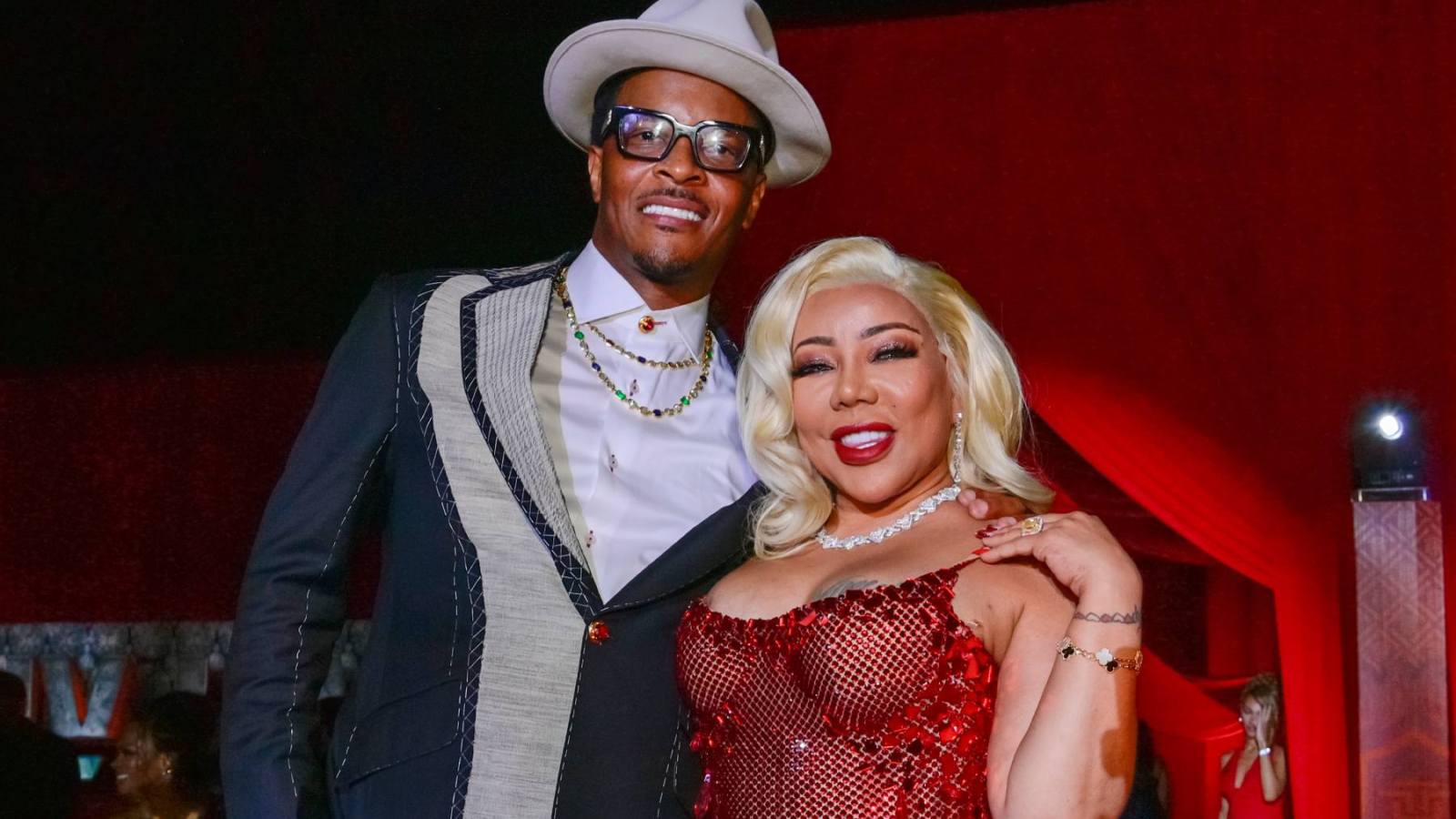
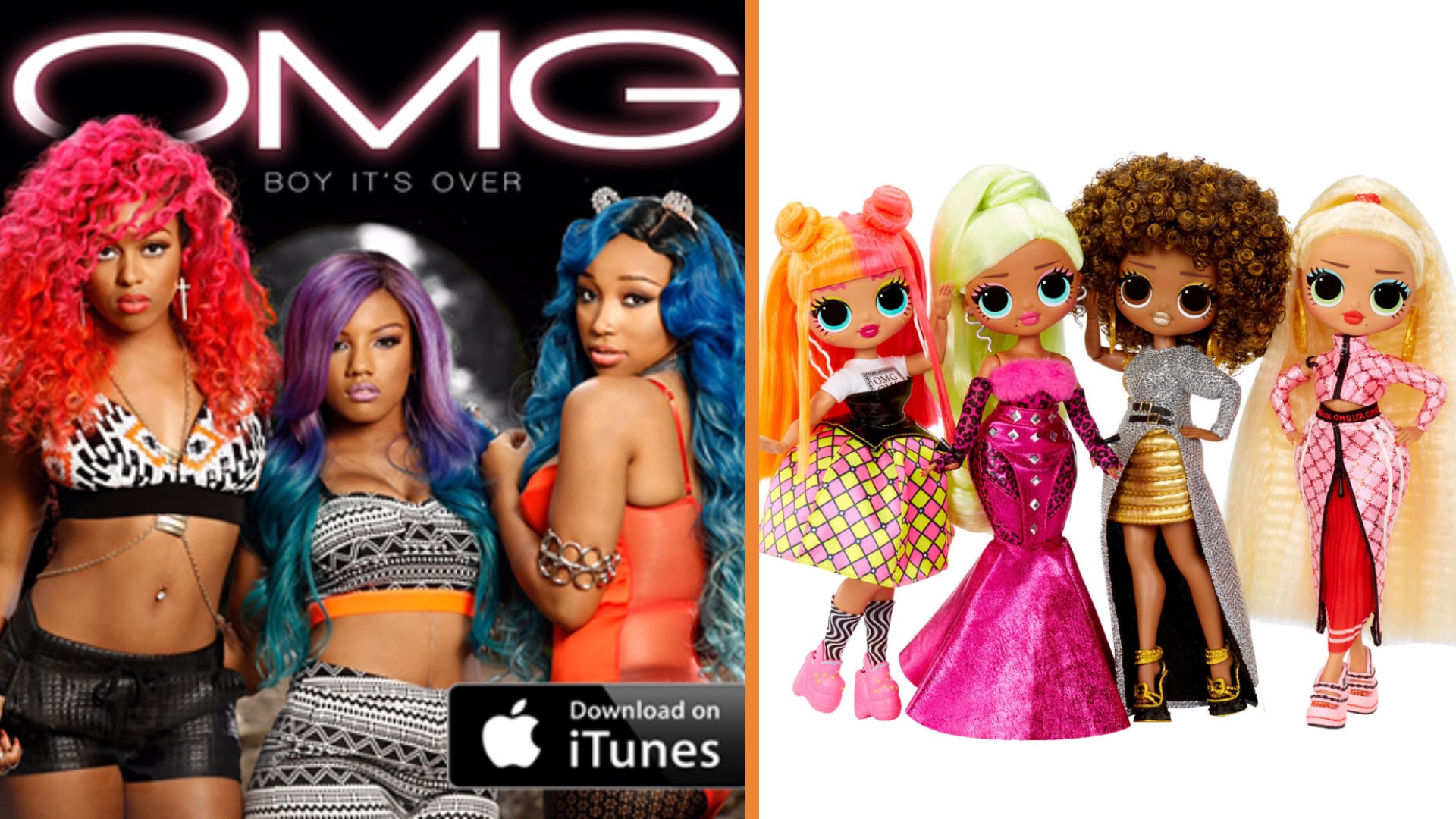
A federal jury in Santa Ana, California, has delivered a definitive verdict in the protracted legal dispute between music artists T.I. and Tameka “Tiny” Harris and toy manufacturer MGA Entertainment. On July 1, 2026, the jury ruled that MGA Entertainment did not act with malice in the trade dress and likeness misappropriation case, resulting in an award of zero dollars in punitive damages. This decision concludes the latest and final phase of a multi-year litigation, cementing the plaintiffs’ total financial recovery at the $17.9 million in compensatory damages previously awarded by a separate jury in September 2024.
Strategic Significance of the Punitive Damages Denial
The pursuit of punitive damages was a pivotal component of the plaintiffs’ strategy, aiming to escalate MGA Entertainment’s financial exposure significantly. Their bid to restore $53.6 million in punitive damages—a sum previously reduced to one dollar by a District Court judge in 2025—sought to establish a strong precedent for corporate accountability in intellectual property disputes. The jury’s explicit refusal to award these damages underscores the exceedingly high legal threshold required to prove malice in such litigation. For MGA Entertainment, this verdict robustly validates their defense, which consistently asserted that their internal corporate policies and decision-making structures did not meet the stringent legal standard for malicious conduct.
Evidentiary Burden and Corporate Governance
During the five-day punitive damages trial, MGA Entertainment’s defense hinged on the assertion that its CEO and majority owner, Isaac Larian, possessed singular authority over corporate policy. This strategic argument effectively aimed to insulate the broader organization from claims of systemic malice, maintaining that the plaintiffs failed to present new evidence warranting a departure from the court’s earlier findings. The legal team representing T.I. and Tiny, including John Keville, Chante Westmoreland, and Robert Green, expressed disappointment, contending that this jury was not privy to the extensive three-week evidentiary record presented during the prior compensatory damages trial, which they believed would have supported a finding of malice. This highlights the distinct evidentiary burdens for proving compensatory versus punitive damages, particularly concerning corporate intent.
Industry Precedent and Risk Management
This litigation casts a critical light on the persistent tension between celebrity brand management and the intricate product development cycles within the toy industry. The scrutiny placed on MGA’s internal processes, particularly concerning document retention and collection procedures, offers a compelling case study for large-scale consumer goods companies. The outcome—where a corporation successfully defends against punitive damages despite a substantial compensatory award—underscores the paramount importance of robust internal documentation, clear lines of executive authority, and stringent compliance frameworks in mitigating litigation risk associated with trade dress and likeness claims.
Legal Consistency and Procedural Efficacy
The court’s decision to deny punitive damages aligns with the 2025 District Court ruling, which similarly found insufficient clear and convincing evidence for such an award. This consistent judicial stance across different proceedings reinforces the stringent requirements for proving specific intent to harm in intellectual property misappropriation cases. The efficiency of the five-day trial, culminating in a verdict after only three hours of deliberation, reflects the court’s focused approach to resolving the specific question of punitive damages. By isolating this issue, the court provided a definitive resolution to the final financial uncertainty surrounding the case.
Market Impact and Future IP Landscape
The resolution brings significant clarity for MGA Entertainment regarding its financial exposure, allowing the company to avoid a substantially larger judgment that could have impacted its market positioning and capital allocation strategies. For the plaintiffs, while falling short of their maximal financial claims, the outcome secures the substantial compensatory award. This case collectively underscores the intricate challenges of intellectual property enforcement in the digital age, where public figures’ likenesses are increasingly integrated into commercial product lines. As the toy and entertainment industries continue to converge, the lessons from this litigation will undoubtedly inform how companies approach licensing, branding, and likeness agreements. The scrutiny on corporate internal policies suggests that future IP disputes may increasingly hinge on the transparency and integrity of corporate record-keeping and governance. The MGA Entertainment verdict serves as a powerful reminder of the high stakes involved in protecting both corporate innovation and personal brand equity, marking a significant milestone in the evolving standards of actionable infringement in the modern media landscape.