
The bipartisan consensus reached by Senate Appropriations Chair Susan Collins and Vice Chair Patty Murray represents a tactical decoupling of federal fiscal obligations from the projected volatility of the 2026 midterm cycle. By extending funding through December 11, the Senate leadership aims to preserve institutional continuity while deferring high-stakes structural negotiations to a post-election lame-duck session.
Strategic Realignment and the 2026 Electoral Horizon
This continuing resolution (CR) functions as a stabilization mechanism, maintaining current spending levels to prevent a politically motivated shutdown in the weeks preceding the 2026 elections. By targeting a mid-December expiration, appropriators are attempting to utilize a more pragmatic legislative window, effectively neutralizing the budget as a tool for campaign-season brinkmanship. For federal agencies and private-sector partners, this move provides a critical bridge of predictability amid broader macroeconomic uncertainty.
However, the reliance on a CR remains a double-edged sword. While it ensures immediate liquidity, it perpetuates a state of fiscal stasis. The inability to authorize new programs or adjust for inflationary pressures in the defense and technology sectors creates a cumulative backlog of deferred procurement, potentially hindering long-term strategic readiness.
Bicameral Disparity and the Seven-Day Negotiating Gap
A primary point of friction is the one-week discrepancy between the Senate’s December 11 deadline and the House of Representatives’ proposed December 4 target. This gap is not merely clerical; it signifies a tactical dispute over the duration of the lame-duck session. With the House already in recess, the Senate’s proactive procedural move is a calculated attempt to establish a legislative baseline that forces the lower chamber toward a bipartisan middle ground upon their return in September.
Constitutional Oversight: The Science Funding Rebuke
The deal includes a notable bipartisan rebuke of executive priorities regarding science and R&D funding. By challenging the administration’s allocation of research capital, Senate appropriators are asserting their constitutional authority over the federal purse. This move signals that legislative oversight remains a significant check on executive discretion, particularly in sectors tied to regional economic hubs and national technological competitiveness.
Market Implications and Capital Continuity
For the defense, aerospace, and federal contracting sectors, the December 11 extension offers a vital reprieve. Institutional stability is essential for maintaining operational tempo in long-term projects sensitive to payment delays. While the deal mitigates immediate closure risks, the market remains focused on the eventual transition from a CR to a full-year package, which will require a level of political compromise that remains elusive in the current polarized environment.
Conclusion: Bridging the Fiscal Divide
The Collins-Murray agreement is a pragmatic triumph of institutional leadership over partisan disruption. While it does not resolve the underlying structural deficits or the persistent reliance on short-term fixes, it establishes a clear path for government operations through the remainder of the 2026 fiscal cycle. The success of this bridge now rests on bicameral reconciliation and the ability of both chambers to navigate the post-election landscape without further fiscal degradation.

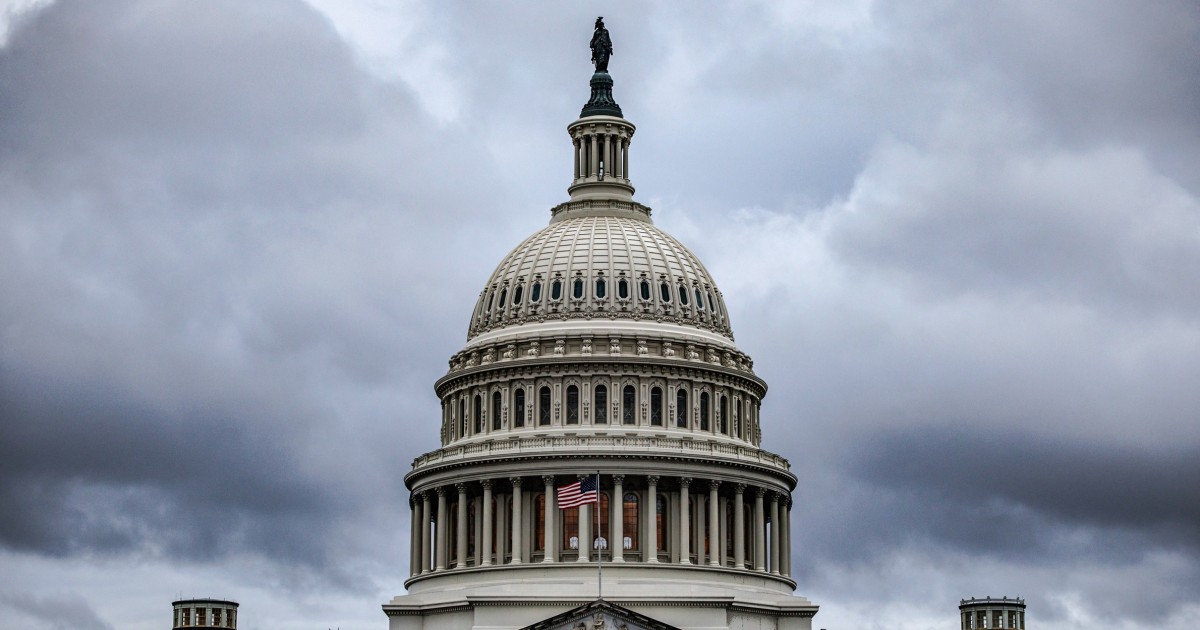
Photo by LRCL on Pixabay.