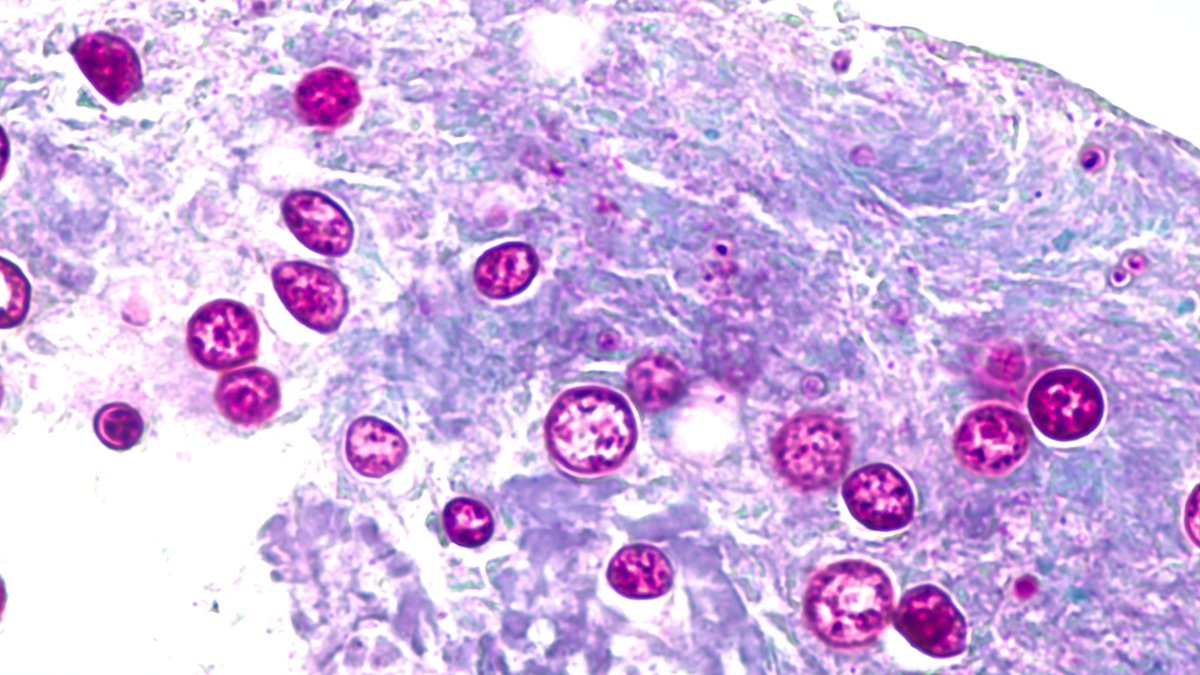
The escalation of a multi-state cyclosporiasis outbreak, totaling 190 confirmed cases as of mid-June, has exposed structural vulnerabilities within the U.S. domestic food distribution infrastructure. Led by the Centers for Disease Control and Prevention (CDC) and the Food and Drug Administration (FDA), the investigation highlights a concerning trend: 145 cases are domestically acquired, while 45 are linked to international travel. This ratio underscores a significant breach in internal safety barriers rather than a localized import issue, centering the crisis on high-volume commercial supply chains.
Diagnostic Lag and Investigative Friction
The inability to pinpoint a specific contaminated commodity introduces substantial systemic risk to the agricultural and retail sectors. Unlike bacterial pathogens with shorter incubation periods, Cyclospora cayetanensis requires specialized molecular testing often unavailable at primary care levels. This diagnostic bottleneck, coupled with the parasite’s microscopic size, creates a ‘reporting lag’ that masks the real-time trajectory of the infection. State health departments in Illinois and Michigan are currently managing the highest volumes, with Michigan reporting over 100 cases in a nine-day window—a concentration that suggests a massive, localized exposure event within the regional logistics hub.
Economic Impact of Extended Morbidity
The clinical profile of the outbreak—characterized by severe, watery diarrhea that can persist for over 30 days—presents an acute threat to labor productivity and healthcare resource allocation. In economic hubs like Texas, New York, and Illinois, the month-long duration of symptoms translates into thousands of lost work hours and increased secondary medical costs. For institutional stakeholders, the persistence of an unidentified threat necessitates a reassessment of risk mitigation, particularly regarding irrigation water quality and field-level hygiene standards, which are the primary suspects for fecal-oral parasitic transmission.
Traceability Gaps in High-Density Logistics
The geographic clustering of cases in major distribution corridors indicates that the contaminated source is likely a high-volume produce item integrated into national retail networks. The operational challenge for the FDA remains the retrospective nature of trace-back protocols; by the time clusters are identified, the perishable contaminated batches have often already cycled through the market. This scenario serves as a stress test for current food safety regulations, signaling a need for transition from reactionary oversight to predictive, technology-driven surveillance that can account for the long incubation periods inherent to parasitic pathogens.
Regulatory Pressures and Market Liability
For retailers and food service providers, the absence of a confirmed source creates a prolonged state of reputational and financial liability. Until a definitive vehicle is identified, consumer confidence across broad produce categories remains suppressed. This vacuum of information may drive a push for more stringent federal mandates regarding fecal-contamination monitoring in agricultural water. As the CDC synthesizes disparate data points from state labs, the food industry must prepare for a more rigorous regulatory landscape focused on closing the traceability loop between field production and the end consumer.