The Shift Toward Intelligence-Led Retail Security
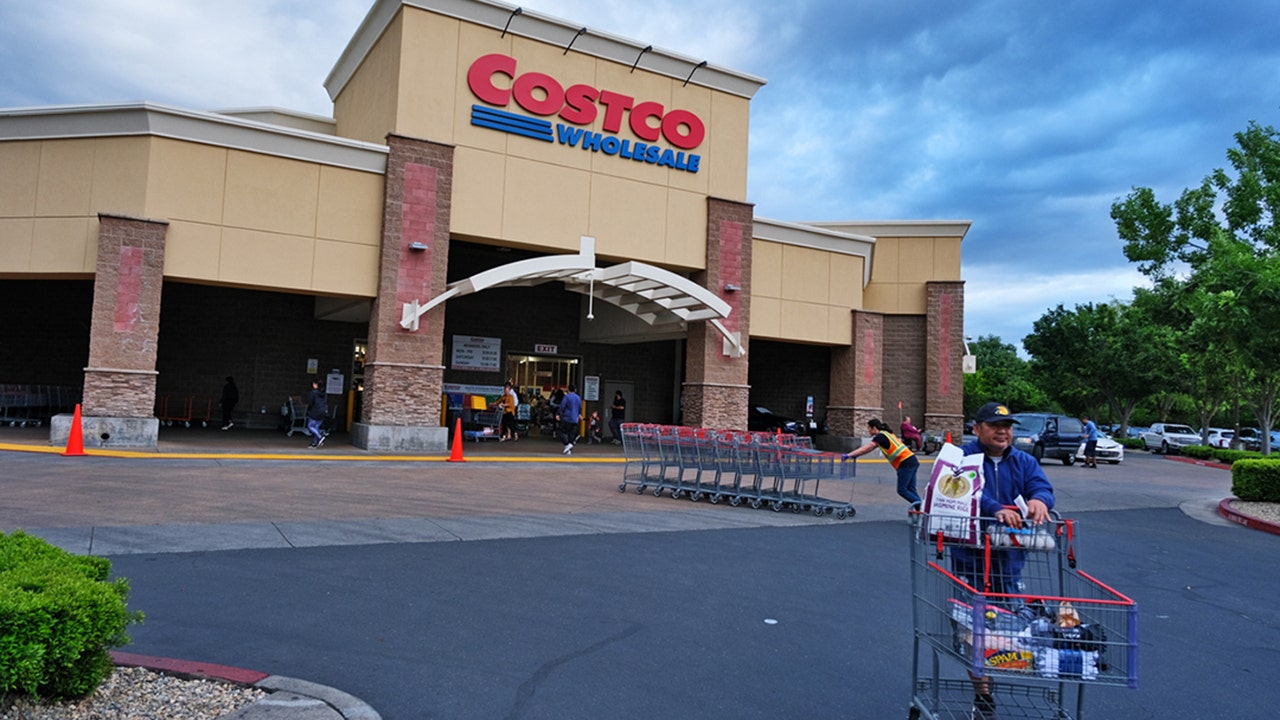
The recent apprehension of Brittany A. Howard and Kasheem M. Williams in South Windsor, Connecticut, illustrates the increasing reliance on inter-store communication networks as a primary defense against organized retail crime. By identifying suspicious behavior at one location and alerting staff at another, retailers successfully coordinated with law enforcement, proving the necessity of real-time data sharing in high-volume environments.
Strategic Implications of Payment Fraud
The seizure of 28 financial documents from the suspects’ vehicle confirms that modern payment fraud is rarely an isolated event. Such activities reflect sophisticated, serial operations designed to exploit self-checkout systems and store vulnerabilities. For retailers, this signifies a transition from reactive security to proactive, behavior-based monitoring. The ability to identify non-matching payment instruments in real-time is now an essential operational requirement to protect both assets and customer identity.
Operational Synergy and Future Outlook
The collaboration between Enfield and South Windsor Costco locations serves as a model for dismantling institutional information silos. By treating individual stores as interconnected nodes within a broader network, retailers create a formidable deterrent against offenders who rely on the perceived anonymity of high-traffic locations. Moving forward, the integration of advanced analytics with human vigilance remains the most effective deterrent. As retailers continue to optimize for customer throughput, the formalization of partnerships between private security teams and regional law enforcement will become the standard for addressing the systemic threat of organized crime.