Temporal Arbitrage: The Mid-August Launch Paradigm
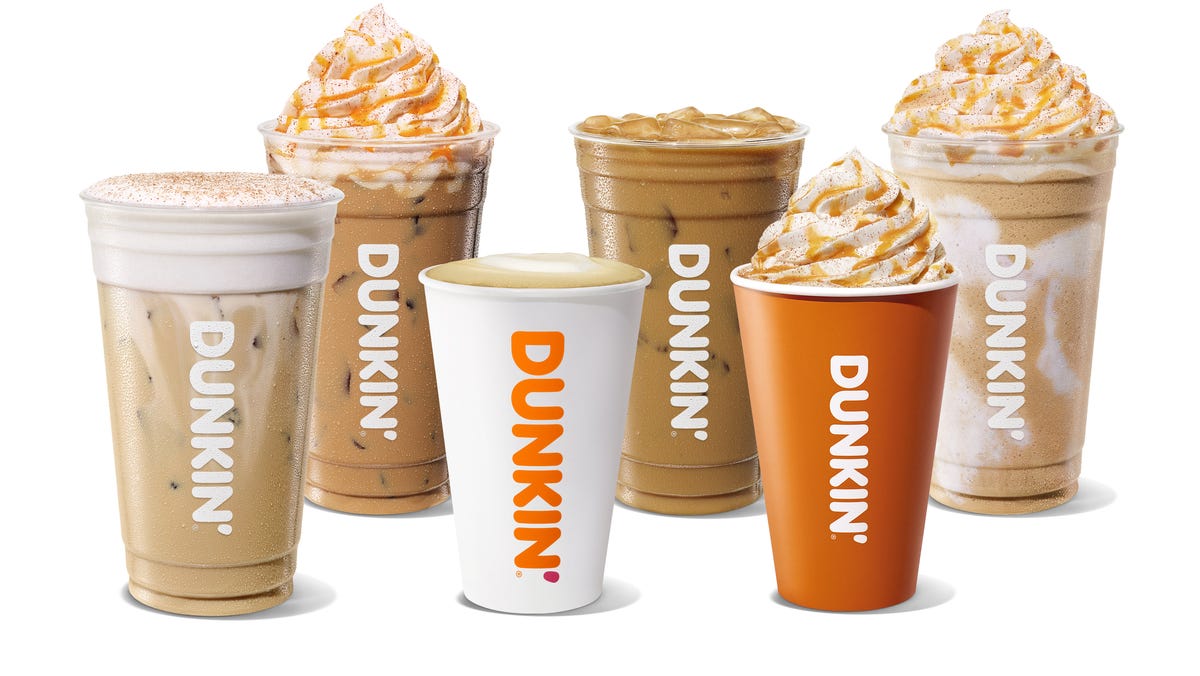
The 2026 fall beverage cycle has evolved into a sophisticated exercise in temporal arbitrage. By decoupling product launches from astronomical seasonal markers, coffee and donut conglomerates are aggressively targeting early-quarter discretionary spending. Dunkin’s August 19 activation, following Krispy Kreme’s August 11 market entry, functions as a preemptive strike to secure consumer mindshare before Starbucks’ traditional August 25 anchor date. This tactical acceleration aims to establish brand-specific morning routines early in the product lifecycle, effectively extending the high-margin ‘seasonal’ period by nearly 40% compared to historical norms.
Creator Economies and Strategic Diversification
Dunkin’ has pivoted toward a dual-track growth strategy that integrates legacy flavor profiles with high-velocity digital influence. The ‘Alix Earle-Y Riser Meal’ represents a sophisticated customer acquisition strategy, leveraging the creator economy to convert social engagement into tangible foot traffic and increased average order value (AOV). Simultaneously, the introduction of tiramisu-inspired beverage architecture serves as a strategic hedge against ‘pumpkin fatigue.’ By diversifying into complex flavor profiles like Maple Sugar Bacon and Tiramisu, Dunkin’ reduces its reliance on a single seasonal commodity while catering to a broader demographic spectrum.
Starbucks: Proprietary R&D and Cold-Platform Dominance
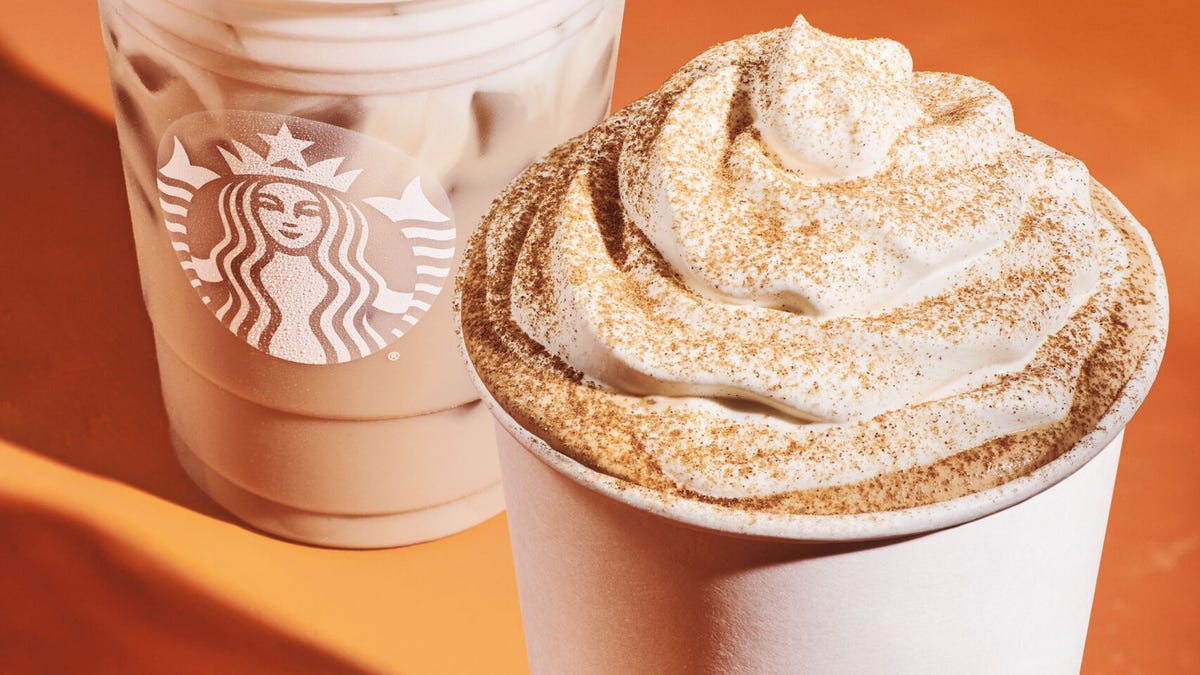
Starbucks continues to institutionalize its seasonal output through the ‘Liquid Lab’ R&D ecosystem. The 2026 strategy emphasizes premiumization and beverage customization, evidenced by the rollout of the Pecan Cortado and Iced Pumpkin Cream Shaken Espresso. A critical data point in this cycle is the continued dominance of cold beverage architecture; chilled offerings now comprise a significant majority of the sales mix even as temperatures decline. This shift reflects a structural change in consumer behavior where the thermal properties of the drink are secondary to the aesthetic and sensory experience of cold foam and layered textures.
Logistical Resilience and Environmental Dissonance
The 2026 rollout highlights a growing tension between retail cycles and climatological realities. In markets like Florida and the Southwest, the launch of heat-sensitive autumn products during peak summer temperatures creates a psychological and logistical challenge. Brands are increasingly utilizing ‘routine-based marketing’ to bypass environmental dissonance, framing these launches as a cultural shift rather than a meteorological one. Operationally, this requires immense supply chain synchronization to manage the transition from summer perishables to high-demand seasonal spices across thousands of decentralized nodes.
Competitive Fragmentation: The Role of Sheetz and Scooter’s
While the primary market share battle occurs between top-tier players, regional disruptors like Sheetz and Scooter’s are executing high-agility localized strategies. Scooter’s utilizes aggressive early-market entry to capture localized demand, while Sheetz employs brand-specific nomenclature—specifically the ‘Sh’pice’ sub-brand—to foster vertical loyalty within its convenience-driven ecosystem. These fringe players increase market saturation, forcing major chains to further innovate in both menu variety and digital delivery efficiency to maintain their dominant positions.