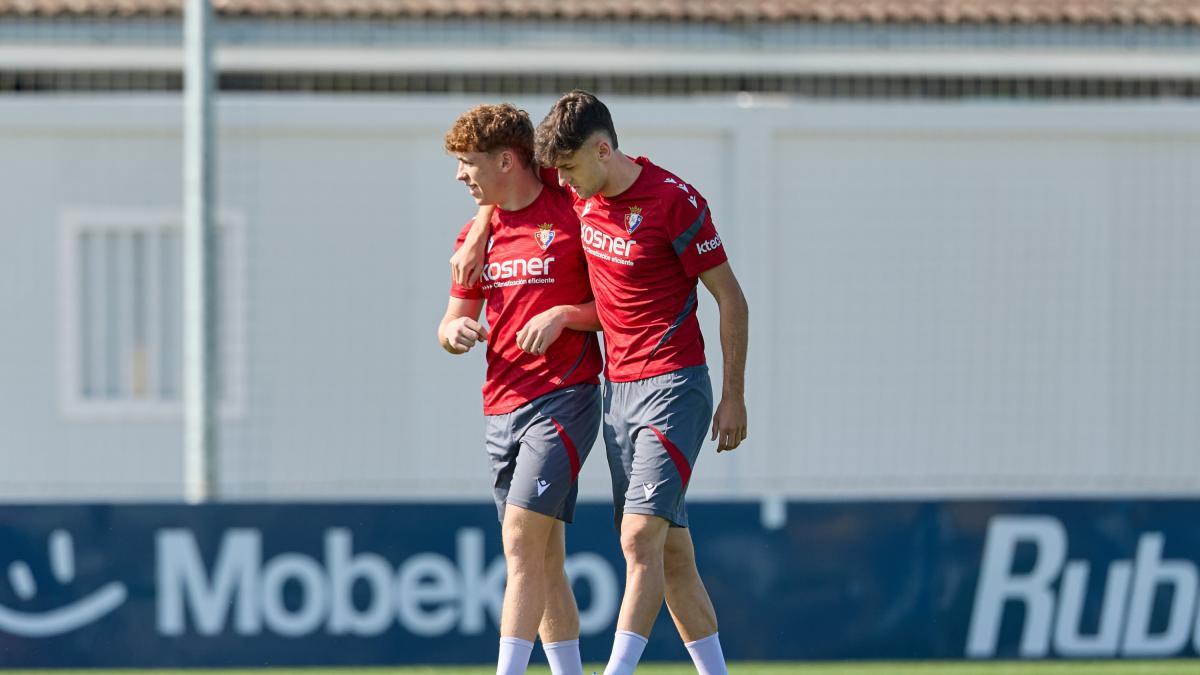
The fixture between Athletic Bilbao and CA Osasuna on April 21, 2026, represents a critical intersection of television rights optimization and matchday operational viability. Scheduled for 19:00 on a Tuesday, the encounter illustrates the escalating friction within the La Liga ecosystem, where administrative scheduling decisions to accommodate broadcast windows directly suppress physical attendance and regional engagement.
For CA Osasuna, the match serves as a strategic pivot point. Holding a marginal lead over Athletic, a victory at San Mamés would mathematically confirm their top-flight status. This milestone is not merely symbolic; it provides the institutional certainty required to authorize fiscal budgets for 2027 and transition from defensive financial planning to offensive investment in UEFA-tier recruitment.
The Opportunity Cost of Broadcast-Centric Scheduling
The decision to hold a high-stakes regional derby during a standard work week has triggered a measurable contraction in ticket demand elasticity. Historically, away allocations for this fixture are oversubscribed; however, for this iteration, initial applications from Osasuna members failed to meet the 575-ticket threshold provided by Athletic. The absence of a lottery—a standard requirement for this rivalry—indicates that the logistical opportunity cost of a midweek journey has surpassed the perceived value of the live product for a significant segment of the core fan base.
While the remaining 150 tickets were eventually cleared via physical retail, the initial cooling suggests an erosion of ‘brand equity’ in the rivalry. When scheduling priorities facilitate television slots at the expense of stadium atmosphere, the resulting broadcast product is inherently devalued, risking long-term media rights depreciation due to a sterile spectator environment.
Institutional Volatility and Technical Pragmatism
Athletic Bilbao approaches this fixture amidst a climate of performance-related friction. The audible dissatisfaction at San Mamés—expressed through ‘pitos’—signals a growing disconnect between the club’s historical competitive identity and its current operational output. Manager Ernesto Valverde’s public fixation on the 42-point safety benchmark reflects a risk-aversion strategy aimed at mitigating institutional crisis rather than pursuing aggressive European qualification.
This pragmatic focus on a survival threshold, while statistically sound, creates a psychological ceiling for the squad. In a club where the unique institutional model relies heavily on social cohesion, this gap between technical targets and supporter ambition creates a volatile atmosphere that can impede player development and recruitment leverage.
Distribution Synergy and Multi-Sport Competition
The match’s availability on Teledeporte (free-to-air) complicates the economic profile further. While maximizing sponsor reach, free-to-air access incentivizes ‘stadium avoidance’ during inconvenient time slots. This distribution highlights the challenge of balancing the immediate visibility of public television with the high-margin exclusivity of subscription platforms.
Simultaneously, the regional sporting landscape in Navarra showcases a diverse ecosystem. The recent 32-30 victory by Anaitasuna handball over Sinfín, and the upcoming Copa del Rey clash with Torrelavega, demonstrate that professional football must compete for a finite pool of regional sponsorship and attention. Coach Oleg Kiselev’s developmental management at Anaitasuna mirrors the strategic depth required by mid-tier clubs to maintain relevance across multiple disciplines.
Strategic Outlook
The outcome on April 21 will dictate the summer trajectory for both boards. For Osasuna, security allows for infrastructure reinvestment. For Athletic, failure to reach the 42-point mark early would exacerbate the sense of technical drift at San Mamés. Ultimately, this midweek derby serves as a stress test for the 2026 Spanish football model, where the balance between broadcast algorithms and fan mobility remains unresolved.