
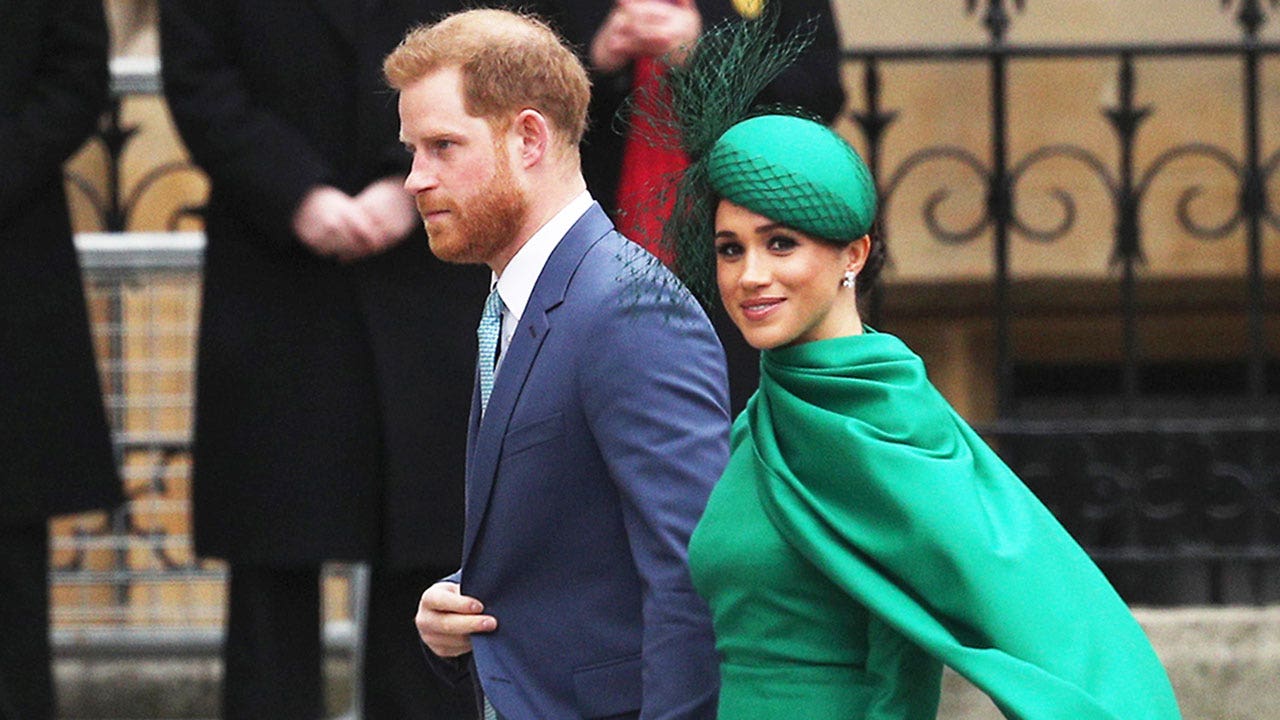
Royal authors are critically examining the structural and institutional fallout from Prince Harry and the Duchess of Sussex’s 2020 departure from senior royal duties. This transition is identified as a pivotal moment that significantly altered public perception and introduced vulnerabilities into the monarchy’s established model. Assessments highlight how high-profile exits can destabilize long-standing organizational frameworks, affecting public loyalty and the institution’s ability to maintain relevance and support.
Author Catherine Mayer, in her analysis “Divide & Rule,” asserts that the family rupture caused “very serious damage” to the monarchy as an establishment. Citing her work, Mayer suggests this strain is reflected in shifting public opinion polls, though she clarifies her observations do not assign personal blame. Instead, the analysis frames the friction as an inevitable clash between modern expectations of personal autonomy and the rigid traditions governing senior royals.
The operational friction leading to the 2020 transition stemmed from conflicting expectations regarding public life, institutional support, and media engagement. Reports indicate the Duke and Duchess of Sussex stepped back due to intense British media scrutiny and perceived inadequate palace backing. Relocating to California, they pursued independent platforms, publicly airing grievances through interviews, documentaries, and Prince Harry’s 2023 memoir, “Spare,” further widening the institutional distance.
Comparative Analysis of Royal Roles and Integration
Discussions surrounding the Duchess of Sussex’s trajectory often draw parallels to Princess Diana, noting initial expectations of similar public impact. Royal author Simon Vigar, in “The Four Wives of Windsor,” highlights shared attributes: a natural affinity for public engagement and a proactive approach. Vigar describes Meghan as a “doer” with strong crowd appeal.
However, structural discrepancies in their integration into the royal ecosystem presented distinct challenges. The analysis suggests Meghan entered with different baseline expectations, influenced by her prior acting career where greater public relations control was standard. Within the traditional royal establishment, achieving such comprehensive PR management proved unfeasible, exacerbating tensions between personal expectations and institutional protocols.
Comparative frameworks also extend to other senior royals like Kate Middleton and Queen Camilla, whose integration pathways reflect varying degrees of alignment with institutional norms. While Diana redefined modern royal engagement, subsequent entrants navigated evolving media landscapes and intensified public scrutiny. These differing trajectories underscore the systemic difficulty of standardizing individual public roles within an institution heavily reliant on uniformity and precedent.
Institutional Pressures and Evolving Public Perception
The broader implications of the Sussexes’ exit impact the monarchy’s institutional health and public standing. Polling trends suggest the institution faces declining support in specific demographics, raising questions about long-term relevance in a rapidly changing cultural landscape. The tension between private grievances and public representation highlights the challenge of maintaining institutional prestige amidst heightened media scrutiny.
Ongoing security disputes, legal battles, and continuous public disclosures have solidified a division between the California-based royals and the central palace. These developments demonstrate how modern communication channels allow individuals to bypass traditional institutional gatekeepers, altering public messaging hierarchies. As the monarchy navigates these pressures, adapting to evolving public expectations remains a central challenge to its continued institutional authority.