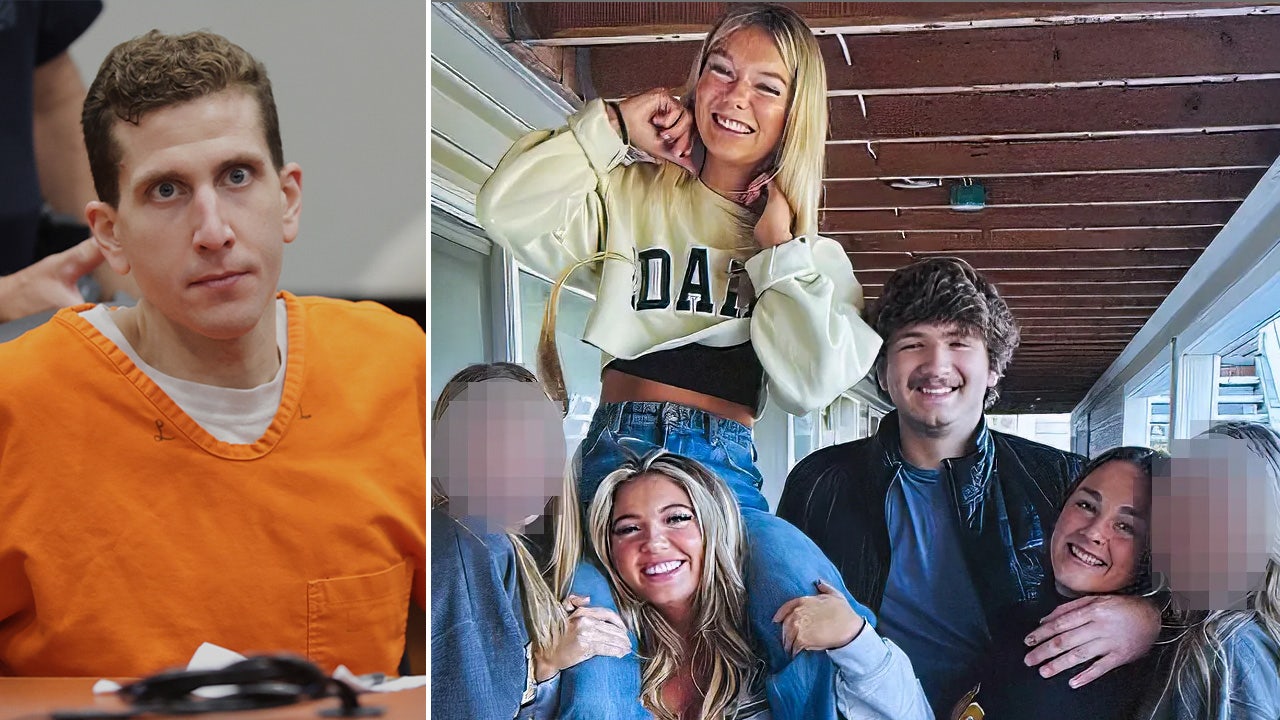
The November 2022 University of Idaho homicides concluded legally with Bryan Kohberger receiving four consecutive life sentences without parole. Despite this definitive judicial resolution, the absence of a formally stated motive has sustained intense analytical scrutiny regarding target selection. Without a trial—bypassed via a guilty plea—investigative documentaries and behavioral researchers have stepped in to evaluate the spatial and psychological patterns surrounding the crime.
Central to this discourse is the Netflix docuseries The Idaho Murders: College Nightmare, directed by Skye Borgman. The series highlights the King Road residence in Moscow, Idaho, noting its demographic profile as a rental home housing five young women. On the night of the attack, victims Kaylee Goncalves, Madison Mogen, and Xana Kernodle resided there alongside surviving housemates Bethany Funke and Dylan Mortensen, with Xana’s boyfriend, Ethan Chapin, visiting.
Director Borgman posits that this high concentration of young women functioned as a primary operational selection criterion. Analyzed through behavioral geography, the property presented a distinct profile based on routine activities and spatial proximity. Furthermore, Washington State University classmates featured in the series noted Kohberger’s interpersonal friction and negative rhetoric regarding women. While these peer observations do not constitute formal judicial findings, they fuel broader discussions regarding grievance formulation and online subcultures hostile to women.
The absence of a contested trial means evidentiary arguments concerning psychological intent were never formally adjudicated. Consequently, public understanding relies on unsealed documents, documentary investigations, and retrospective criminological analyses. Meanwhile, systemic pressures on local law enforcement and the University of Idaho highlight the evolving role of digital forensics, cellular tracking, and neighborhood canvassing in multi-jurisdictional manhunts following prolonged pre-attack surveillance.
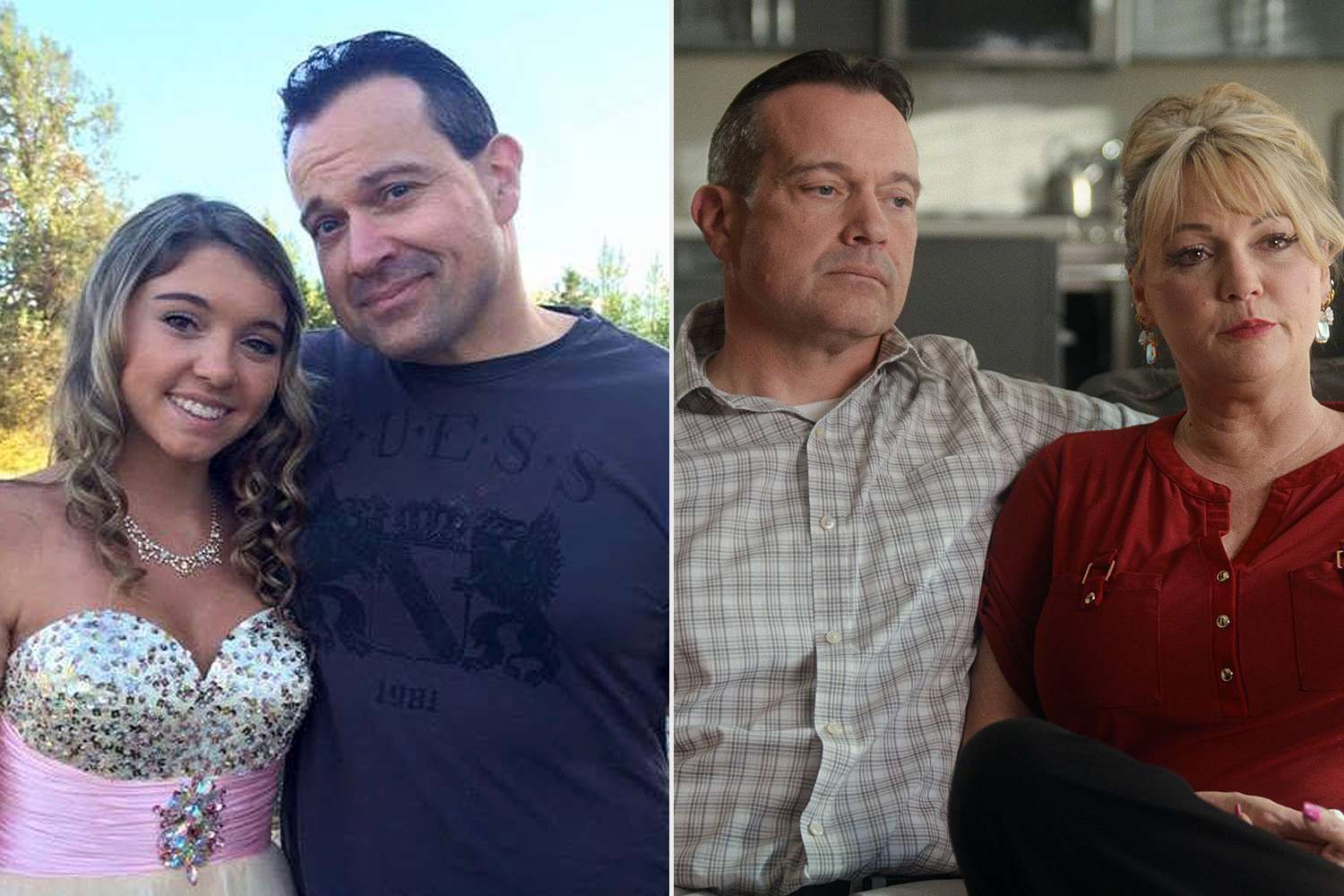
Amid these institutional challenges, victims’ families—most notably Steve and Kristi Goncalves, parents of Kaylee Goncalves—maintain public advocacy to scrutinize systemic factors and preserve their daughters’ legacy. Their media presence underscores the intersection of criminal justice proceedings, public grief, and documentary storytelling, ensuring the case remains a key reference point for student housing safety and the documentation of violent crime.