Strategic Positioning and Market Leverage in a Fragmented Division
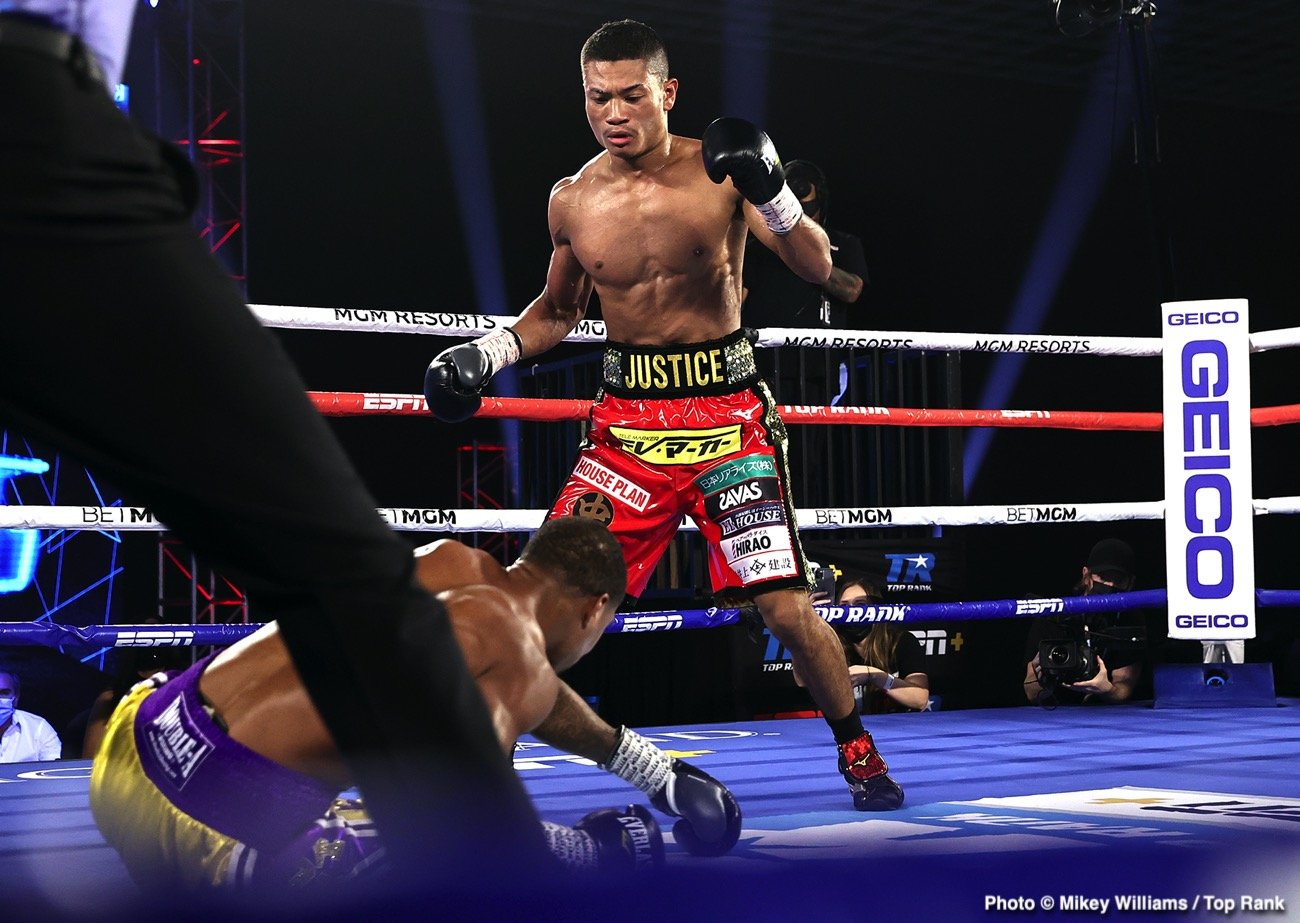
Gary Antuanne Russell’s upcoming WBA junior welterweight title defense against Andy Hiraoka is less a standalone event and more a strategic maneuver in a highly fragmented competitive market. Russell’s public assertion of being the division’s premier fighter, despite the presence of high-profile rivals like Shakur Stevenson and Richardson Hitchins, serves as a calculated exercise in positional signaling. This strategy aims to establish market dominance and increase his negotiating leverage for future high-stakes bouts, particularly against Stevenson, a former U.S. Olympic teammate and sparring partner. By positioning himself as superior to the established hierarchy—including Stevenson, who recently defeated Teofimo Lopez—Russell attempts to bypass incremental challenges and elevate his perceived value directly for unification or mega-fight opportunities. This narrative-building approach is critical for transforming technical prowess into long-term brand equity in a sport where perception dictates commercial value.
The strategic value of this positioning is further enhanced by Russell’s backstory. The shared history with Stevenson creates a pre-existing storyline for promoters to capitalize on, driving future pay-per-view sales. Russell’s previous loss in the 2016 Summer Olympics adds a layer of complexity, providing a long-term redemption arc that can be strategically deployed to build audience engagement and define his competitive identity. By managing expectations and projecting confidence through statements about holding back his full potential, Russell creates a perception of strategic depth and risk management. This narrative allows him to maintain a competitive edge in public perception without necessarily engaging in high-risk, all-out battles in every fight, thereby maximizing the value of future matchups and increasing leverage in contract negotiations.
Operational Fragility and International Event Risk Management
The late clearance of Andy Hiraoka’s visa, which briefly jeopardized the title fight, exposes significant operational vulnerabilities inherent in international sporting event logistics. The reliance on external governmental processes, such as U.S. embassy approval, introduces a high degree of uncertainty that can disrupt meticulously planned schedules and financial commitments. For promoters and broadcasters, a last-minute cancellation of a mandatory title bout on a major pay-per-view undercard represents substantial financial exposure. This risk extends beyond lost revenue from a single fight; it impacts the overall value proposition of the event, requires costly adjustments to broadcast schedules, and potentially jeopardizes long-term talent development plans.
This logistical uncertainty highlights a critical conflict between governance and commercial interests within professional boxing. The WBA’s mandate requiring Russell to defend against Hiraoka ensures adherence to a structured ranking path, preventing champions from avoiding tough opponents. However, the potential collapse of a mandatory defense due to logistical issues creates a cascade effect on the sanctioning body’s ranking system and future scheduling. If Hiraoka had been unable to travel, the WBA would have faced the challenge of re-ranking contenders and potentially stripping Russell of his title or ordering a new defense, disrupting the division’s competitive structure. The successful resolution of the visa issue, while positive for the event, underscores the fragility of the entire operational framework when reliant on non-sporting external factors.
Promotional Strategy: Talent Clustering and Market Consolidation
The placement of Russell vs. Hiraoka on the undercard of the Mario Barrios vs. Ryan Garcia event demonstrates a sophisticated strategy of market consolidation and talent clustering. Promoters utilize undercards as critical platforms for showcasing developing talent and building the market value of future headliners. By featuring multiple title fights and high-profile prospects, promoters increase the overall perceived value of the pay-per-view package, justifying the price point for consumers and strengthening the long-term viability of their talent roster.
The strategic inclusion of both Russell and fellow junior welterweight titleholder Richardson Hitchins on the same card creates a powerful synergy. This positioning allows promoters to build parallel narratives for two high-potential assets within the same weight class, setting the stage for a potential future unification bout between them. The clustering of top talent in a single event allows promoters to control the narrative, create internal rivalries, and maximize the commercial potential of the division as a whole. For Russell, fighting on a major undercard provides essential exposure to a broader audience than he would typically reach as a standalone headliner. This exposure is crucial for building name recognition and transitioning from a regional champion to an international star, ultimately increasing his negotiating power for future main event opportunities and unification opportunities.
Division Dynamics and Future Competitive Landscape
The concentration of top talent within the junior welterweight division, including Russell, Stevenson, Hitchins, and Lopez, suggests a period of competitive consolidation. This dynamic benefits promoters by creating a clear path for high-value matchups and potential unification tournaments. Russell’s title defense against Hiraoka, while a mandatory challenge, contributes to this broader ecosystem by solidifying his position and setting up future high-stakes matchups against other champions or top contenders within the division. The division’s attractiveness to broadcasters and streaming services, like DAZN, relies on this consistent stream of compelling content to retain subscribers.
Russell’s strategic decisions, including his public statements and fight selections, directly impact the division’s market dynamics. By asserting his dominance and managing his performance narrative, Russell influences the perceived hierarchy of the division. This creates a competitive environment where future matchups are not only determined by rankings but also by strategic positioning and market demand. The successful execution of the Russell vs. Hiraoka fight ensures the division’s competitive structure remains intact, paving the way for further consolidation and high-value events in the future.