Constitutional and Administrative Challenges to DHS Rulemaking
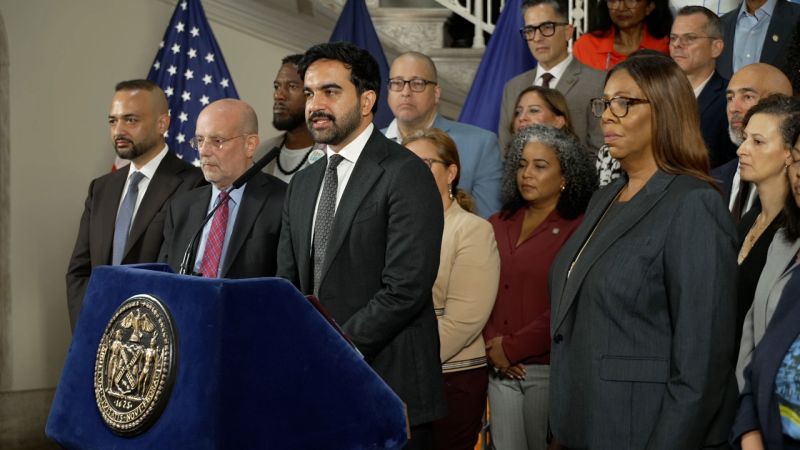
A coalition of 22 states, spearheaded by New York Attorney General Letitia James and New York City leadership, has filed a federal lawsuit to enjoin the Department of Homeland Security (DHS) from implementing an expanded ‘public charge’ rule. The litigation argues that the revised criteria—which broaden the grounds for denying green cards and visas based on the use of non-cash benefits—represent an arbitrary and capricious departure from over a century of immigration law. By transitioning from a subsistence-based definition to a predictive model of economic dependency, the rule effectively implements a wealth test that bypasses congressional intent.
Fiscal Decoupling and State Economic Exposure
The plaintiffs emphasize the profound fiscal risks associated with the rule’s implementation. The primary concern is ‘fiscal decoupling’: when immigrant households disenroll from programs like Medicaid or SNAP due to fear of immigration consequences, states lose the federal matching funds that support these systems. This shift forces a transfer of costs for emergency care and uncompensated medical services directly onto local taxpayers. The states argue that this administrative change creates an unfunded mandate, destabilizing state-level social safety nets and threatening the broader economic health of participating jurisdictions.
The ‘Chilling Effect’ and Public Health Implications
Beyond direct policy targets, the lawsuit highlights the systemic ‘chilling effect’ generated by the rule’s intentional ambiguity. The lack of precise metrics for how officials exercise discretion has prompted widespread disenrollment among individuals who are not legally subject to the rule, including citizens and asylees. This phenomenon complicates public health initiatives, particularly regarding immunization rates and communicable disease control. The states contend that the federal government is externalizing the costs of restrictive immigration policy to the public health infrastructure of states and municipalities.
Strategic Dilemmas for Mixed-Status Households
The expansion places mixed-status families in a strategic dilemma, forcing a choice between essential nutritional support and the long-term legal security of family members. From a legal perspective, the coalition asserts that DHS has exceeded its statutory authority by redefining ‘public charge’ without legislative authorization. Historically, the term was reserved for individuals primarily dependent on government cash assistance for subsistence; the inclusion of supplemental benefits like housing vouchers and Medicaid is characterized by the plaintiffs as an unauthorized administrative overreach.
Institutional Oversight and Judicial Outlook
As the implementation deadline approaches, the states are seeking an immediate injunction to preserve the status quo. The outcome will serve as a critical precedent for the limits of executive rulemaking and the role of state attorneys general in protecting regional fiscal integrity against federal policy shifts. The litigation underscores a fundamental jurisdictional conflict: the states’ mandate to provide for the general welfare versus the federal government’s attempt to utilize administrative rules to achieve restrictive demographic and economic filtering.