Operational Erosion of the National Security Apparatus
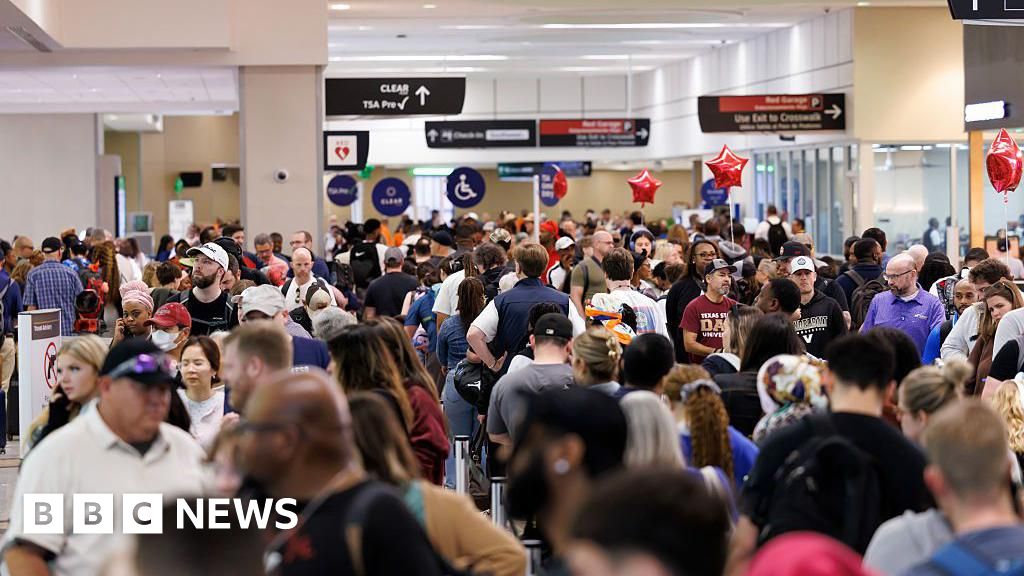
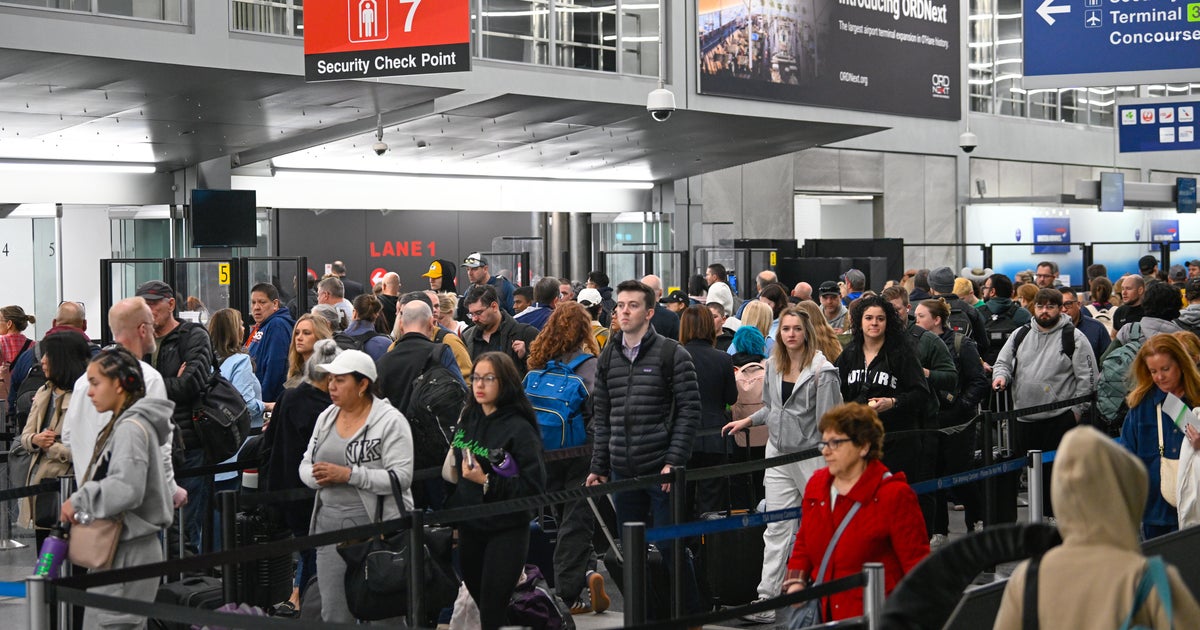
The prolonged partial government shutdown has evolved from a fiscal impasse into a systemic threat to the United States’ aviation security framework. Internal Transportation Security Administration (TSA) metrics indicate that the workforce of 50,000 frontline officers, operating without compensation, has reached a critical inflection point. National unscheduled absence rates have surged from a 2% baseline to a 6% average, signaling a dangerous depletion of human capital.
This labor crisis is characterized not just by temporary absences, but by a permanent loss of expertise. Since the Department of Homeland Security (DHS) funding lapse began, 300 officers have resigned. These departures represent an immediate drain of institutional knowledge and specialized training that cannot be quickly replaced due to the rigorous federal vetting and training cycles required for new personnel.
Quantifying the Attrition and Reliability Gap
Internal documentation illustrates a direct correlation between the duration of the funding lapse and the degradation of workforce reliability. Absence rates peaked at 9% on February 23, with sustained instability recording 8% and 7% on subsequent dates in early March. These figures suggest that the resilience of the security network is being traded for political leverage, creating a volatile environment for both personnel and the traveling public.
Regional vulnerabilities further underscore the severity of the crisis. Houston’s Hobby Airport reported a 50% call-out rate during peak shutdown periods, while Fort Lauderdale and other high-volume hubs have experienced significant security line extensions. These localized failures create cascading disruptions across the entire hub-and-spoke model of modern aviation.
The Airline Industry’s Strategic Intervention
The CEOs of American Airlines, Delta, Southwest, and JetBlue have broken traditional corporate neutrality to demand immediate congressional action. By characterizing the aviation sector as a “political football,” industry leaders are highlighting the disconnect between federal policy disputes and the requirements of national commerce. Their formal demand for legislation to decouple pay for air traffic controllers and security officers from broader budgetary volatility reflects a move toward structural insulation of critical infrastructure.
For major carriers, TSA instability translates into unpredictable passenger throughput and the potential for total operational failure. The executives warned that maintaining scheduled departures becomes “impossible” when the security workforce can no longer meet basic personal financial obligations, thereby questioning the global reliability of the U.S. air travel system.
The Geopolitical Impasse and Long-term Security Risk
The funding deadlock, rooted in unresolved immigration reform, has left the DHS without a budget since February. This linkage forces the TSA to operate at the center of a policy debate unrelated to its core mission of aviation safety. The resulting morale hazard and financial uncertainty drive the spike in resignations and absences documented in recent statistics.
The long-term danger lies in the degradation of operational standards. As experienced officers exit, the agency’s ability to detect complex threats in high-pressure environments diminishes. If the funding gap remains unresolved, the cumulative effect of these resignations could necessitate the closure of specific terminals, contracting U.S. aviation capacity and impacting global trade and diplomacy.
Conclusion: The Margin for Error
TSA data confirms that the agency is operating under unprecedented duress. With 300 resignations and absence rates consistently double or triple historical norms, the margin for error in national security screening is narrowing. Industry intervention highlights the economic stakes, placing the burden on Congress to restore DHS funding before the erosion of the security workforce becomes irreversible.