DC Infrastructure Vulnerability Exposed by Severe Weather
The recent severe weather events impacting the Washington D.C. metropolitan area exposed critical vulnerabilities within the region’s transportation infrastructure and utility networks. Characterized by intense rainfall—with rates reaching 3 to 5 inches per hour—and high winds, these events triggered immediate operational disruptions on major arteries, highlighting challenges in maintaining regional continuity of commerce and public services during acute weather conditions.
Transportation Vulnerability and Logistics Impacts
The documented flooding on Interstate 270 and the Capital Beltway (I-495) illustrates the direct impact on regional logistics and labor mobility. These highways serve as primary corridors linking Maryland, Virginia, and the District of Columbia. Disruptions on these routes create cascading effects throughout the regional economy, impacting supply chain timelines and business operations dependent on just-in-time logistics. A specific incident at the American Legion Bridge on the Capital Beltway (I-495) revealed a significant infrastructure vulnerability when water up to a foot deep pooled on the Outer Loop. This specific location, typically not prone to recurring flooding, suggests that the intensity of the rainfall overwhelmed existing drainage systems or exposed design limitations in the roadway’s construction, specifically where water accumulated between the Jersey walls.
Operational Response and Strategic Risk Management
The response to the American Legion Bridge incident highlights challenges in real-time monitoring and resource deployment protocols. A 15-minute traffic stoppage was necessary, yet the response time for authorities to fully address the flooding and stop traffic was approximately one hour. In a high-traffic, high-value corridor, even brief stoppages result in significant economic losses due to lost productivity and delays in commercial deliveries. The incident underscores the need for proactive infrastructure investment in drainage and resilience measures to mitigate the growing frequency of intense rainfall events.
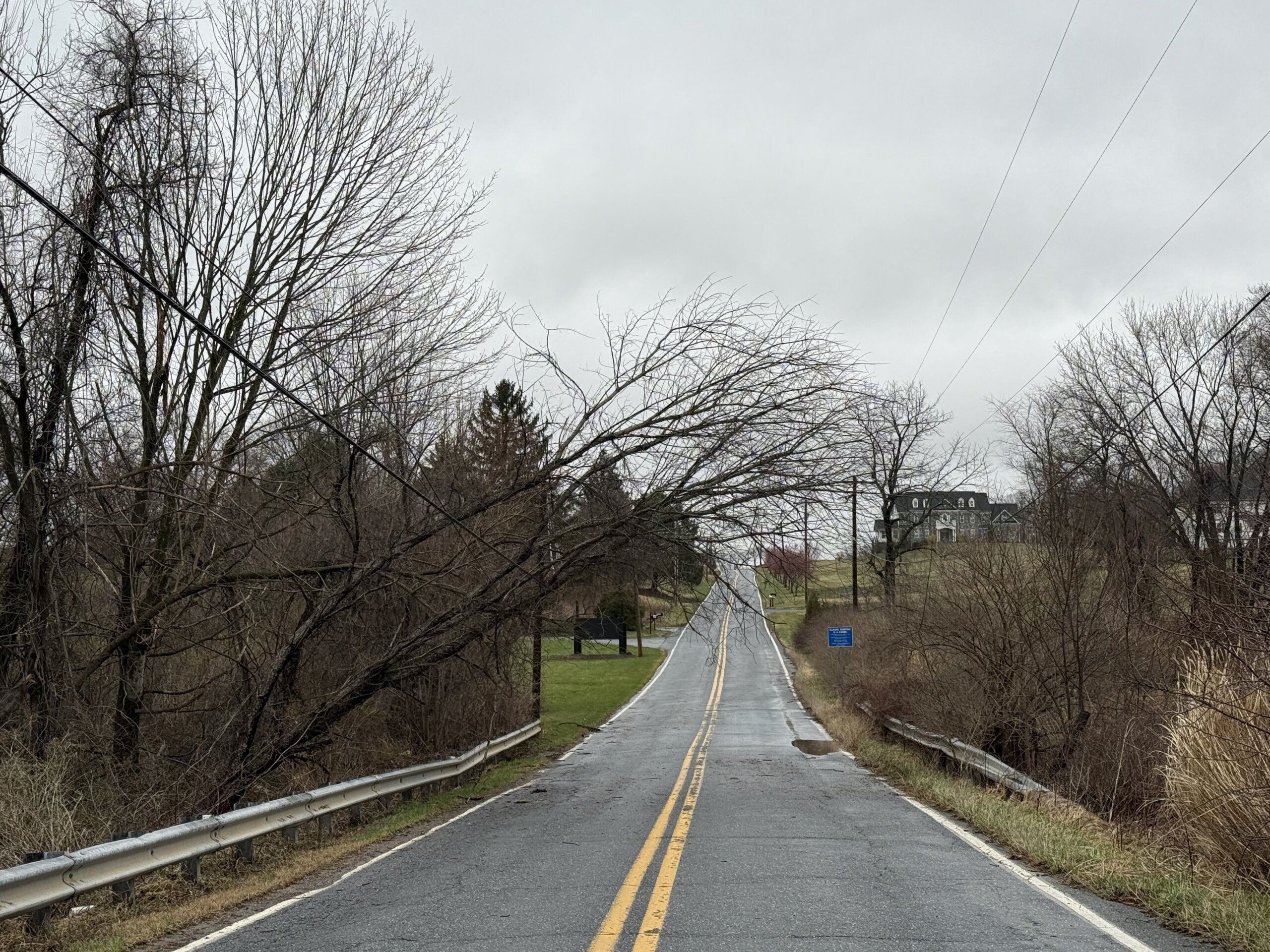
Separately, a subsequent wind advisory—predicting gusts up to 55 mph—introduced operational risks for utility providers and public safety agencies. The forecast warned that these conditions were sufficient to bring down trees and power lines, highlighting the systemic vulnerability of overhead power distribution networks, particularly in areas with dense tree cover. For utilities, the wind advisory triggers pre-positioning and resource allocation strategies, activating emergency response plans and mobilizing repair crews to manage potential load shifts. The financial implications for utilities are substantial, encompassing not only direct repair costs but also potential regulatory scrutiny if service continuity standards are not met during a declared emergency.
Long-Term Climate Resilience and Investment Imperatives
The rapid transition from severe storms to a cold front presents a complex challenge for public health and energy management. The forecast for wind chills in the 10s and a significant drop in temperatures necessitates a shift in public messaging from flood warnings to cold weather advisories. This rapid change increases energy demand for heating, potentially straining natural gas and electricity supplies, especially if infrastructure damage from the preceding storms compromises distribution networks.
These documented events serve as a case study for the broader challenges facing urban infrastructure in a changing climate. The combination of intense rainfall, high winds, and rapid temperature shifts within a short timeframe necessitates a reevaluation of existing infrastructure standards and emergency preparedness protocols. Investment in climate resilience—including upgrading drainage systems, hardening power grids, and improving real-time monitoring capabilities—becomes a strategic imperative for regional authorities to ensure the long-term operational stability of the DC metropolitan area’s critical infrastructure.