Scarcity Marketing & Gen Z Engagement: Dunkin’s Strategic Play
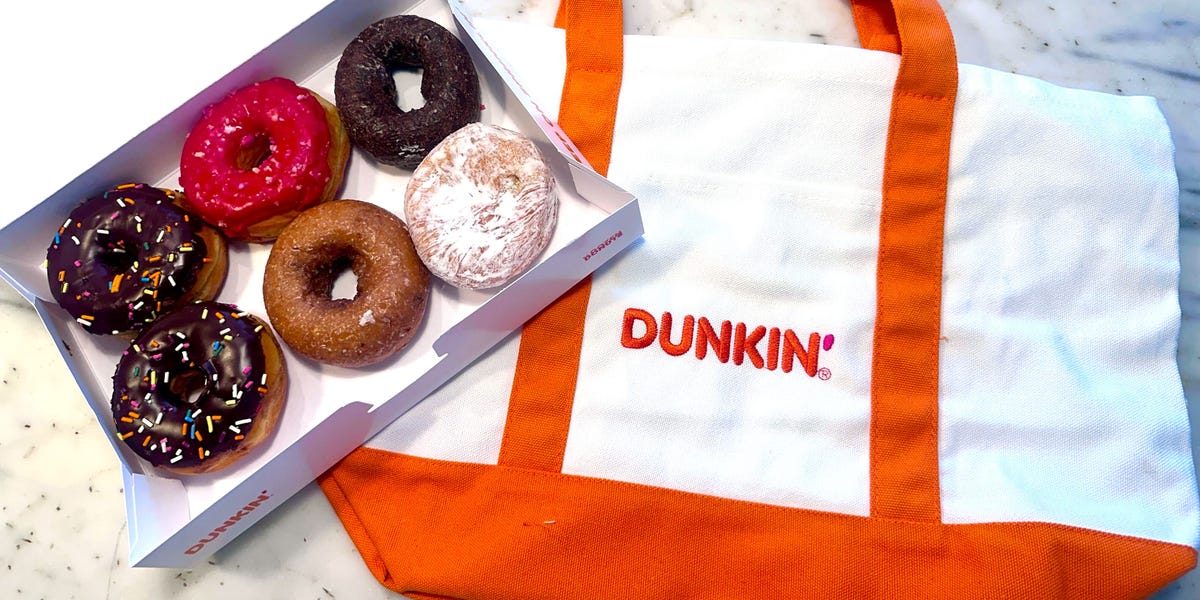
Dunkin’s recent limited-time promotion, offering free tote bags with donut purchases, exemplifies a calculated scarcity marketing strategy within the competitive quick-service restaurant sector. This approach, defined by highly restricted inventory—reportedly only 20 bags per location—aims to cultivate immediate consumer demand and amplify brand visibility through perceived exclusivity. The operational complexities across a distributed franchise network were evident, with disparate local responses highlighting challenges in uniform communication, inventory management, and staff preparedness, all impacting customer experience and brand consistency.
The proactive consumer pursuit of these limited items, involving multiple inquiries and rapid travel, underscores the profound psychological drivers activated by scarcity. This behavior extends beyond mere product acquisition, tapping into a desire for unique brand affiliation and the social capital derived from possessing exclusive merchandise. Specifically targeting Gen Z, Dunkin’s merchandise, like the L.L. Bean-influenced tote, signals a deliberate pivot towards an aspirational, lifestyle-oriented brand image, resonating with consumer segments valuing classic aesthetics and perceived quality, thereby broadening brand appeal.
This strategy successfully generates “viral moments,” appealing to Gen Z consumers through a sophisticated understanding of contemporary digital engagement. By leveraging social media dynamics, promotional items transform into cultural artifacts, fostering organic advocacy and extending brand reach beyond traditional advertising. The nuanced consumer sentiment, marked by the internal conflict of “stanning a brand” while coveting its exclusive items, reflects the delicate balance brands must strike between fostering deep connection and avoiding perceptions of inauthenticity or excessive commercialism.
National Donut Day: Historic Philanthropy Meets Modern Commerce
The annual observance of National Donut Day, celebrated on the first Friday in June, serves as a significant nexus for both commercial entities and charitable organizations. Its establishment by The Salvation Army in 1938, honoring the “Donut Lassies” of World War I, provides a profound historical and philanthropic foundation for contemporary promotional activities. This historical lineage imbues the day with dual significance, allowing brands like Krispy Kreme, Dunkin’, and Cub’s to participate in a widely recognized cultural moment while implicitly aligning with its charitable origins.
The narrative of the Donut Lassies, providing “emotional and spiritual care, essential supplies, and freshly fried donuts” on the front lines, illustrates a holistic approach to support during crisis. This historical model underscores the profound impact of combining practical aid with symbols of comfort and normalcy, establishing donuts as a potent emblem of care. The Salvation Army’s continued involvement, including distributing donuts to veterans and organizing related events, reinforces its enduring legacy of service and community engagement, leveraging its historical narrative for ongoing public awareness and mission support.
Competitive Dynamics & Operational Realities of Donut Day Promotions
For participating commercial brands, National Donut Day represents a critical juncture for competitive positioning. The varying promotional offers—ranging from entirely free donuts at Krispy Kreme and Dunkin’ to 99-cent options at Cub’s—reflect diverse strategic considerations regarding customer acquisition costs, perceived value, and market share objectives. These promotions extend beyond immediate revenue, serving as investments in customer loyalty, brand equity, and valuable consumer data.
The halo effect of increased foot traffic often leads to ancillary purchases, boosting overall transaction values. Furthermore, the media attention and social media engagement generated by these events provide a cost-effective form of advertising, amplifying brand messaging to a wider audience. However, these activities generate significant traffic, placing substantial operational demands on retail locations to efficiently manage increased customer volume while maintaining service quality. The success of such events hinges on robust supply chain logistics, adequate staffing, and effective point-of-sale systems.
The Interplay of Brand, Consumer, and Legacy in Modern Marketing
The convergence of a historical charitable observance with modern brand marketing tactics highlights the evolving landscape of consumer engagement. Contemporary brands are increasingly tasked with integrating cultural relevance and social responsibility into their promotional frameworks to resonate with a values-driven consumer base. The desire for limited-edition merchandise, particularly among younger demographics, reflects a shift from purely transactional consumption to a more experiential and identity-driven relationship with brands, necessitating strategies that prioritize authenticity, community building, and unique brand narratives.
The enduring appeal of National Donut Day, 88 years after its inception, underscores the power of tradition and collective memory in shaping consumer behavior and institutional relevance. Its ability to unite commercial interests with a philanthropic mission demonstrates a sustainable model for public engagement that transcends fleeting trends. This dynamic interplay between historical commemoration, strategic brand promotion, and consumer psychology illustrates the multifaceted nature of modern market engagement, where success relies on a nuanced understanding of cultural context, operational capabilities, and intrinsic consumer motivations.